Aspen Arts Club Opens Eight Downtown Studios for Local Creatives
Buckhorn Public Arts secured an eighteen-month lease at 315 E. Hyman, launching the Aspen Arts Club to house eight rotating creatives and generate self-sustaining downtown revenue.
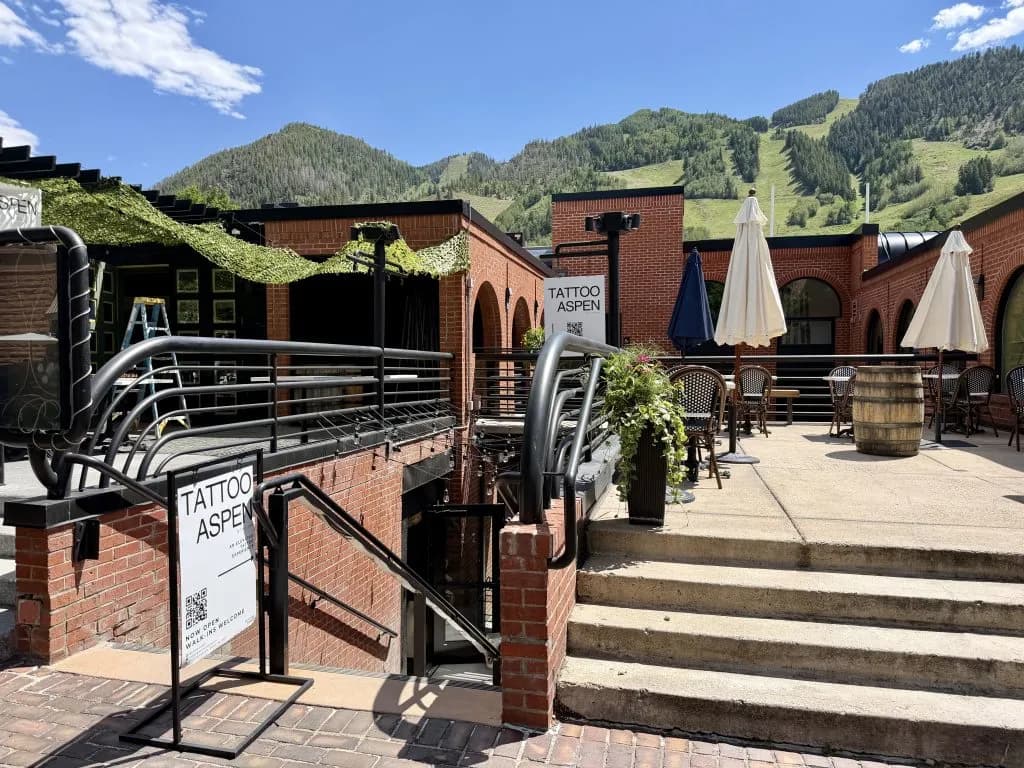
Aspen —“For Buckhorn, we’ve always been community builders. The opportunity for us to be able to take over what was an originally beloved community third space … to bring it back to the community is the greatest reward we could ever ask,” Tim Sack told The Aspen Times.
Eight months later, that third space is finally occupied. Buckhorn Public Arts has launched its Aspen Arts Club in the former Gravity Haus offices at 315 E. Hyman, turning empty downtown square footage into working studios for local creatives. The outlet reported the move, confirming that eight resident artists moved in July 1 under an 18-month lease.
Let’s do the math on the space itself. The program operates on six-month residency cycles, meaning this first group stays through Jan. 1, 2027. After that, new applicants rotate in. The inaugural cohort isn’t just a handful of painters looking for cheap rent. It’s a sculptor, two silversmiths, a macramé artist, an art teacher, a photographer, and a musician. Several have never operated outside their homes before this program. They now have dedicated walls, a public showcase, and a direct path to selling their work.
“I feel like community is art as a whole,” Sack said. “A well thriving community is an artistic expression of humanity itself.”
The press release frames the Aspen Arts Club as “an innovative model for supporting Aspen’s creative community.” On paper, that means a self-sustaining ecosystem. The building generates income from three distinct streams: co-working memberships, public events, and on-site retail. A separate donor fund covers the studio leases directly. The paper reported that artists were selected through an open application process, with no restrictions on age or background. This structure removes the usual grant-cycle delays that stall local development projects.
Sack noted that securing dedicated space has already shifted how these artists operate. “Awarding these eight artists the opportunity to have their own space to work and expand their creativity has been by far the most rewarding,” he said. “Being able to tie the opportunity to have space to work with the opportunity to sell the work is where the magic happens.”
For locals, this isn’t just about aesthetics. It’s about occupancy rates on Hyman Avenue and whether downtown foot traffic gets a consistent boost from studio open houses and co-working patrons. The program doesn’t ask taxpayers to underwrite the lease. It relies on existing revenue streams and donor capital to keep the lights on while artists produce and sell work. Property owners on Hyman Avenue see higher occupancy without waiting for municipal improvement districts to approve new assessments.
The building sits at 315 E. Hyman, right in the downtown core where commercial vacancies have been a persistent headache for property owners and city planners alike. Filling it with eight rotating artists, plus co-working desks and retail space, turns a static lease obligation into an active revenue generator. The 18-month window gives the model time to prove itself before long-term commercial leases are renegotiated.
“I’m most excited to see what comes from that,” Sack said.
The practical bottom line is straightforward: Aspen’s downtown gets occupied square footage, artists get dedicated studios without moving out of town, and the community gets a self-funded model that doesn’t add to municipal budgets. The lease runs through January 2027. The revenue covers the space. The artists sell their work. Everyone keeps moving forward without waiting for a grant cycle or a city council vote.
Keep up with Aspen
The day's Western Slope news, one email each morning. Free.