Aspen Ski Industry Ends Season with $4.5 Million Peak Day
The Aspen ski industry brings in $4.5 million on a single peak day, but at what cost to its workers and community? Locals struggle to cope with the physical and emotional toll of the season's end.
Aspen —$4.5 million — that's what Aspen's ski industry brings in on a single peak day. Now, the season's over, and locals are left to pick up the pieces. I'm talking about the physical toll of a long winter, not just the financial boost. Folks around here know the feeling — the mix of relief and confusion that comes with the Monday after the lifts close.
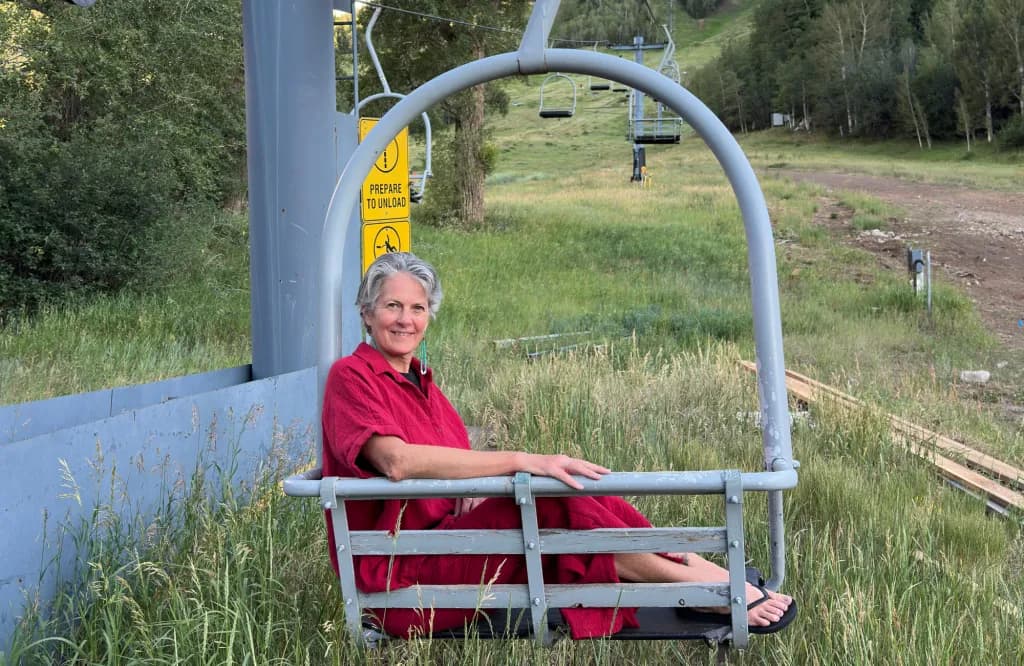
This year, that Monday fell on 4/20, a date that's become a sort of unofficial holiday. For one local, it marked the end of a 100-day skiing streak, a feat that came with a pin, but no fanfare. The attendant handed it over with all the excitement of giving out a pack of matches. No confetti, no celebration. Just a reminder that, for some, the real work is only just beginning.
Make no mistake, skiing is a grind; it jars your bones, joints, and ligaments. The physical toll is real, and it's not just the skiers who feel it. Workers in the industry, from lift operators to hospitality staff, are breathing a sigh of relief. But for others, the pain is only just starting.
One local, who wishes to remain anonymous, described their boss as a "locally-known jerk" who always makes them work on the Monday after the season ends. That's a harsh way to start the week, especially when you're still reeling from the physical demands of the season. This person found themselves staring down the handle of a rake, cleaning up after dogs in Aspen's West End. The glamour of ski season is quickly replaced with the harsh reality of, well, cleaning up after dogs.
The community is left to wonder - what's the real cost of this industry? We're not just talking about the financials; we're talking about the human cost. The physical toll, the emotional strain, the impact on relationships and mental health. These are the things that don't get factored into the $4.5 million peak-day revenue.
Read that again. $4.5 million. That's what the industry brings in on a single day. But what about the days that follow? The days when the lifts are closed, and the town is quiet? What about the workers who must deal with the aftermath, to clean up and move on?
The short version is this: the ski industry is a complex beast. It brings in revenue, but it also takes a toll. As the community moves forward, it's worth watching how the industry addresses these concerns. Will there be changes to support workers, to mitigate the physical and emotional strain? The community's expectations will be high, and the industry's response will be closely scrutinized.
In the meantime, locals struggle to come to terms with the aftermath. Some are staring at their reflections, wondering what they've done to their bodies. Others are simply trying to make sense of it all. The town is quiet, the lifts are still, and the only sound is the distant hum of reality setting in.
As one local put it, "I stared at my naked body in the health club mirror... I was beat-up from the feet-up." That's the reality of the season's end. It's not all champagne and celebrations; it's a harsh wake-up call. People in the valley will be waiting to see how the industry responds to their needs.
The question on everyone's mind; what's the plan for the off-season? How will the industry support its workers, its community? The answer, much like the snow, remains elusive. For now, the town waits in silence, wondering what's next, and hoping that somehow, someway, things will get better.
Keep up with Aspen
The day's Western Slope news, one email each morning. Free.