Western Slope Anglers Head to High Alpine Areas Amid Low Snowfall
Low snowfall forces Western Slope anglers to adapt and head to high alpine areas for quality fishing, with guides preparing for the shift and emphasizing safety and proper gear.
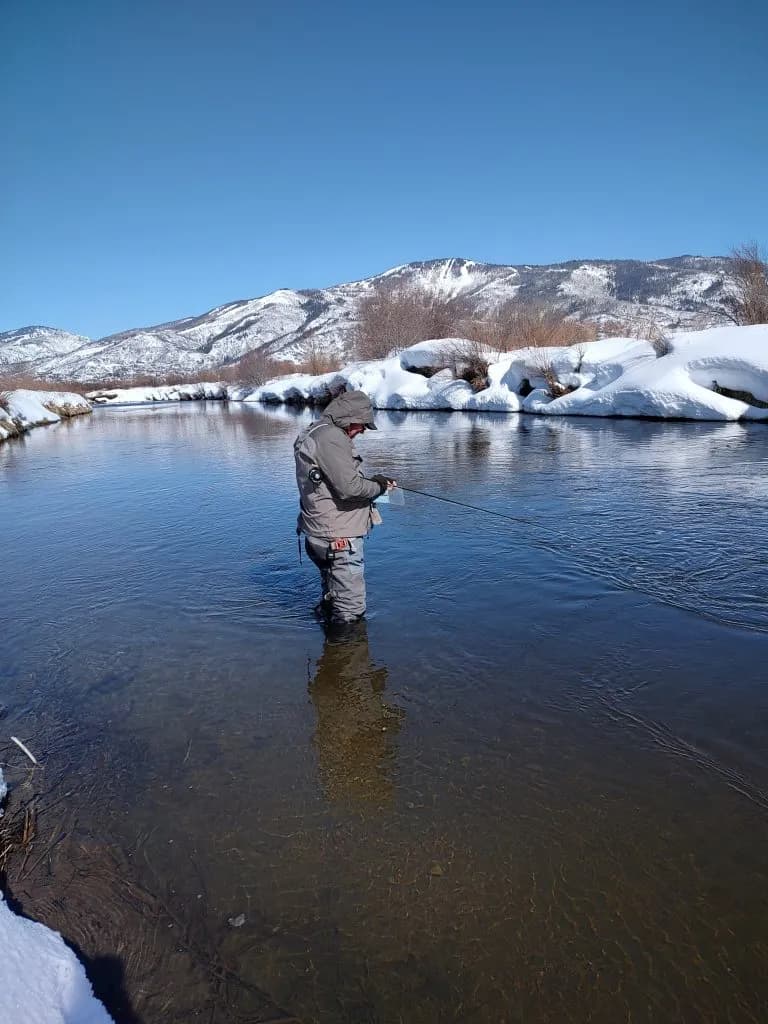
Steamboat Springs —What's the best spot to catch fish in the Western Slope this summer, given the low snowfall? For many anglers, the answer will be high alpine areas like the Flat Tops Wilderness Area. Guides are already preparing for the shift, anticipating low water levels in usual spots like the Yampa River and its tributaries. The numbers are stark: this past winter saw only 171 inches of snowfall, a 41% decrease from the 10-year average of 289 inches.
Straightline Sports guide Jon Almen is one of those preparing for the change. "The anticipation has led us to start preparations for traveling for some high-altitude fishing," he said. "The Flat Tops is a gem which we are so fortunate to have access to." But high-altitude fishing isn't without its challenges. Safety is key, according to Yampa Valley Anglers owner Ryan Herbert. "We are really pushing the importance of safety when traveling to less-fished areas," he said. "First and foremost, hydration is key."
Dehydration can sneak up on anglers, especially those from lower elevations. Exposure to sun is also a major concern at higher altitudes. Herbert's team monitors clients closely on trips, watching for signs of dehydration and sun exposure. And then there's the weather: Almen recently got caught in a thunderstorm-snow combination, a reminder to always be prepared with the right clothing, vehicles, and gear.
For those willing to make the trek, the rewards can be significant. The fishing is often of higher quality, with less pressure from other anglers. Herbert is looking to catch Arctic grayling and cutthroat trout, and finds the Flat Tops to be an ideal spot for beginners. "There are more fish and less pressure, especially in alpine lakes," he said. "Floating opportunities on lakes mean that I don’t have to jump between clients and I can really get them dialed in."
But to succeed, anglers will need to adapt their tactics. Almen recommends using a separate high-altitude box, with flies like leaches, scuds, streamers, and mosquitoes. "It's a different biome," he said. "People might be surprised to hear we do things differently at altitude." And with cell service often spotty in high alpine areas, backup and float plans are essential. Almen urges anglers to be fully prepared, with downloadable maps and waypoints to help navigate the terrain.
Make no mistake, the low snowfall will have a significant impact on fishing in the Western Slope this summer. But for those willing to venture into high alpine areas, the rewards can be worth it. As Herbert put it, "There can definitely be a higher quality of adventure." The question is, are anglers prepared to take on the challenges of high-altitude fishing? Read that again: hydration, sun protection, and the right gear are just the starting point. This will be a summer of adapting to new conditions, and anglers who prepare will find the fish still biting, and locals will be out there trying to catch them.
Keep up with Steamboat Springs
The day's Western Slope news, one email each morning. Free.