Montrose School District Wins $6.2M BEST Grant for New Early Childhood Center
The Montrose County School District secured a $6.2 million BEST grant to renovate a facility at 25 Colorado Avenue into a new early childhood center, aiming to boost enrollment and improve early learning foundations.
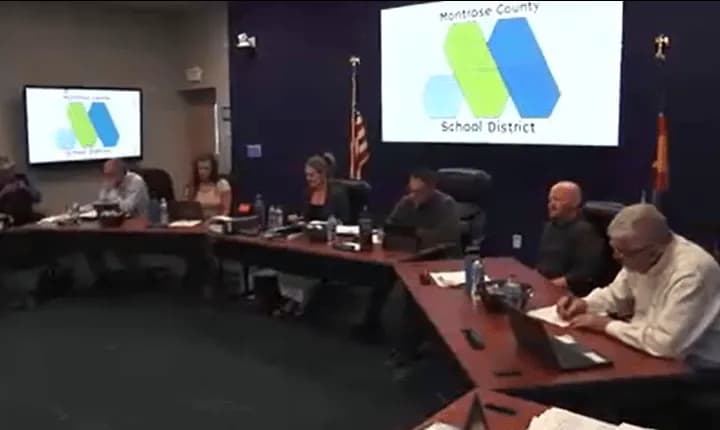
Montrose —“In the state of Colorado, school districts, public school districts, don’t receive money for capital improvement projects unless they go to the voters and get an approval from the voters. So, in order to get something like this, it was just tremendous support for us.”
That’s what Dr. Carrie Stephenson, superintendent of the Montrose County School District, had to say when the Colorado Department of Education announced that her district would be receiving a $6.2 million BEST grant. It’s a specific kind of relief, isn’t it? Because here on the Western Slope, we know the rhythm of capital improvement. We understand the wait. We understand the political tightrope of asking taxpayers to open their wallets for brick and mortar, for roofs that don’t leak, for classrooms that don’t feel like they’re holding their breath. This grant, part of the Building Excellent Schools Today initiative, represents a total investment project of over $12 million, with the district contributing its own matching $6.2 million. It’s not just a check; it’s a lever that pulls the district away from the voter approval grindstone for once.
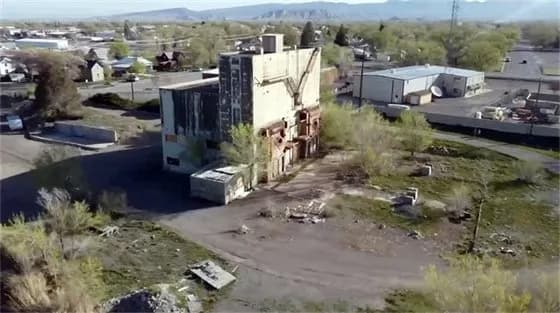
The money is earmarked for a new early childhood center, a project officials say has been five years in the making. They’re looking at 25 Colorado Avenue, a location that will be renovated to serve children from two and a half to five years old. You can feel the weight of that timeline. Five years of planning, of meetings, of waiting for the right moment to ask for the resources to build the foundation of the foundation.
Emily Ploussard, principal of MCSD’s Early Childhood Centers, sees it as the bedrock of everything that comes after. “I feel like classrooms were the start of all the education for our kids,” she said. “We start at two and a half and we go up to five. And really setting the groundwork of what education is about and what school is about and getting kids excited to come to school.” It’s about more than just play. It’s about learning how to respond when someone says no. It’s about phonemic awareness, phonics, the quiet, crucial work of preparing a four-year-old for the shock of kindergarten.
But there’s a sharper edge to this investment, one that goes beyond pedagogy. Ploussard pointed to the declining enrollment in Montrose’s elementary schools, a trend that mirrors the broader demographic shifts we see across the valley. “We’ve seen the declining enrollment in Montrose,” she noted. “And what it’s shown is when we don’t have more parents in the SCC, it lowers the enrollment for our elementary schools.” By creating a high-quality, accessible early education hub, the district hopes to attract families back to the system. It’s a strategic move, using the promise of quality early learning to ignite enrollment, to pull more parents into the fold, to stabilize the numbers that have been slipping.
The facility itself will be a renovation, not a greenfield build, which speaks to a pragmatic approach to space. But the goal is safety, long-term programming, and a sense of place. When you walk into a room where children are learning to navigate schedules and social cues, you’re seeing the first draft of their future academic lives. And if the district can secure that early foothold, if they can get those kids excited to come to school, then the rest of the building blocks might just hold together better.
The grant covers the capital improvements, but the district is still on the hook for the rest of the $12 million total. It’s a significant commitment, a balancing act between state support and local purse strings. But for now, the focus is on 25 Colorado Avenue, on the children who will fill those renovated rooms, and on the quiet hope that this investment will ripple outward, stabilizing enrollment and reinforcing the district’s standing in the community.
Outside, the light hits the brick of the existing buildings on Colorado Avenue, casting long shadows that stretch toward the Uncompahgre River. It’s a familiar view, one that’s seen generations of students pass through its doors. Now, it’s set to see a new kind of growth, not just in numbers, but in the very foundation of what those numbers represent.
Keep up with Montrose
The day's Western Slope news, one email each morning. Free.


Montrose Hospital Wins Rare Colorado Maternity Access Honor
Montrose Earns $3.3M EPA Grant to Clean Former Bullock Plant