Peter William Frey, Basalt Library Pioneer and Yale Grad, Dies at 83
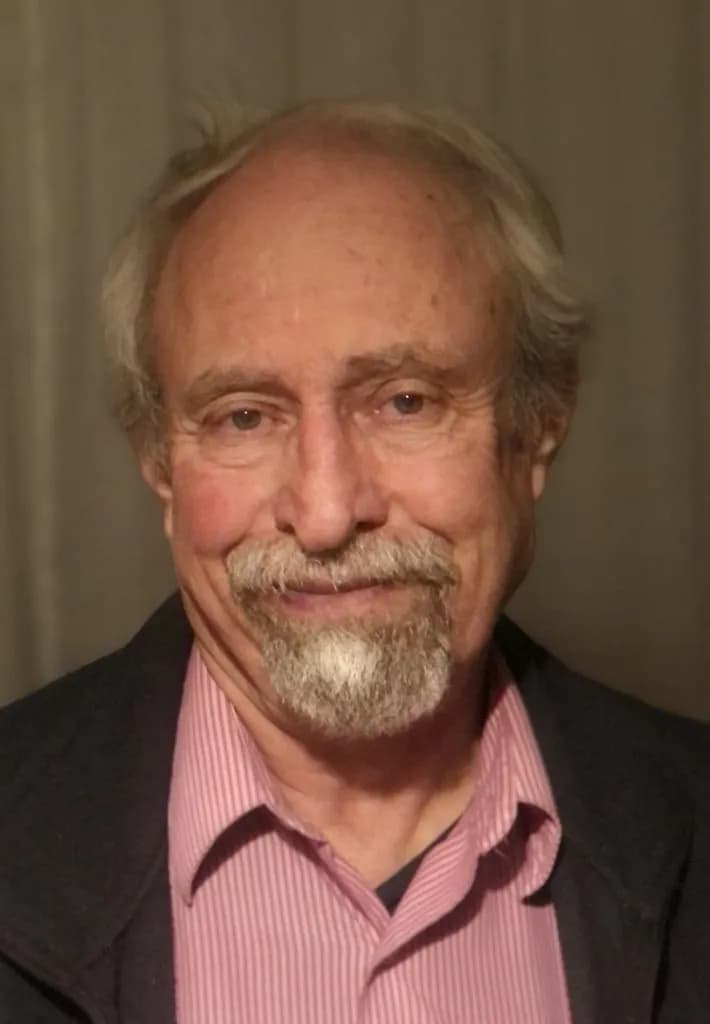
Peter William Frey, a Yale graduate and key figure in the Basalt Regional Library's development, died on April 30, 2026, at age 83. His legacy spans machine learning research and civic infrastructure.

Aspen —The gravel crunches under tires on the Basalt Regional Library’s construction site, a sound that defined Peter William Frey’s final decade of civic duty. It wasn’t just about building a structure; it was about fighting for space where kids could sit with free computers and neighbors could actually find a book. Frey, a research scientist and Aspen Valley fixture, died on April 30, 2026, in Corte Madera, California. He was 83.
The cause was complications from Alzheimer’s disease.
Frey didn’t just live on the Western Slope. He helped build the intellectual and civic infrastructure that makes it livable. He wasn’t a tourist chasing views. He was a man who summited fourteeners in his late thirties and then spent forty years mapping them for the rest of us.
Born in Corning, New York, Frey was an instigator. Teachers knew it. He wrestled at a national level, earned a full scholarship, and graduated magna cum laude from Yale in 1964. He didn’t stop there. He married Ruth Jean Fredericks, his college sweetheart, and they headed to the University of Wisconsin for his PhD in experimental psychology.
Then came the long haul.
Frey joined the faculty at Northwestern University in Evanston, Illinois. He stayed for thirty years. He taught in computer science and psychology. He taught at the Kellogg Graduate School of Management. His work wasn’t theoretical fluff. It was machine learning and computer-based decision systems. He wrote more than 60 academic publications. He authored a book. He built commercial software.
When the Aspen Valley called, he answered.
Faculty summers turned into annual pilgrimages. By the late 1970s, he was summiting peaks over 14,000 feet. He motivated his children up trails with hard candy and trail mix. He and Ruth became active in the Colorado Mountain Club. In 1993, they published The Aspen Dayhiker. It wasn’t just a guidebook. It was a manual for survival, complete with safety info and introductions to local wildlife.
But the real work happened in Basalt.
Frey joined the board of the Basalt Regional Library in 2002. The existing facility was cramped. The goal was a modern, multimillion-dollar replacement. The process took nearly a decade. It was controversial. Frey didn’t shy away from the friction. He pushed for a building that prioritized youth programs and free public computers. The new library opened in 2010. It was an immediate success.
After retiring as professor emeritus, Frey didn’t slow down. He ran Pattern Recognition Systems, a small technology company. They pioneered commercial applications in predictive analytics. They specialized in fraud detection for credit card companies. They handled risk analysis for insurers. They predicted payments for hospitals. This was predictive analytics before it was a buzzword. It was the foundational pillar of modern Artificial Intelligence.
His body eventually caught up with his mind.
In his early sixties, a staph infection from landscaping cuts on his Colorado property changed his trajectory. He and Ruth moved to Cambria, California. They wanted to bicycle and hike year-round. They wanted to be closer to their children and grandson.
Frey left behind a legacy that spans from the wrestling mats of Yale to the server racks of predictive analytics to the quiet dignity of a well-stocked library in Basalt. He was a man who believed in systems, in nature, and in the value of a good argument.
The library stands. The trails are still there. The data keeps running.
Keep up with Aspen
The day's Western Slope news, one email each morning. Free.