10th Circuit Court Revives Suncor Refinery Pollution Lawsuit for Commerce City
The 10th U.S. Circuit Court of Appeals overturned a lower court ruling, allowing environmental groups to proceed with their lawsuit against Suncor Energy’s Commerce City refinery over alleged toxic pollution and insufficient state enforcement.
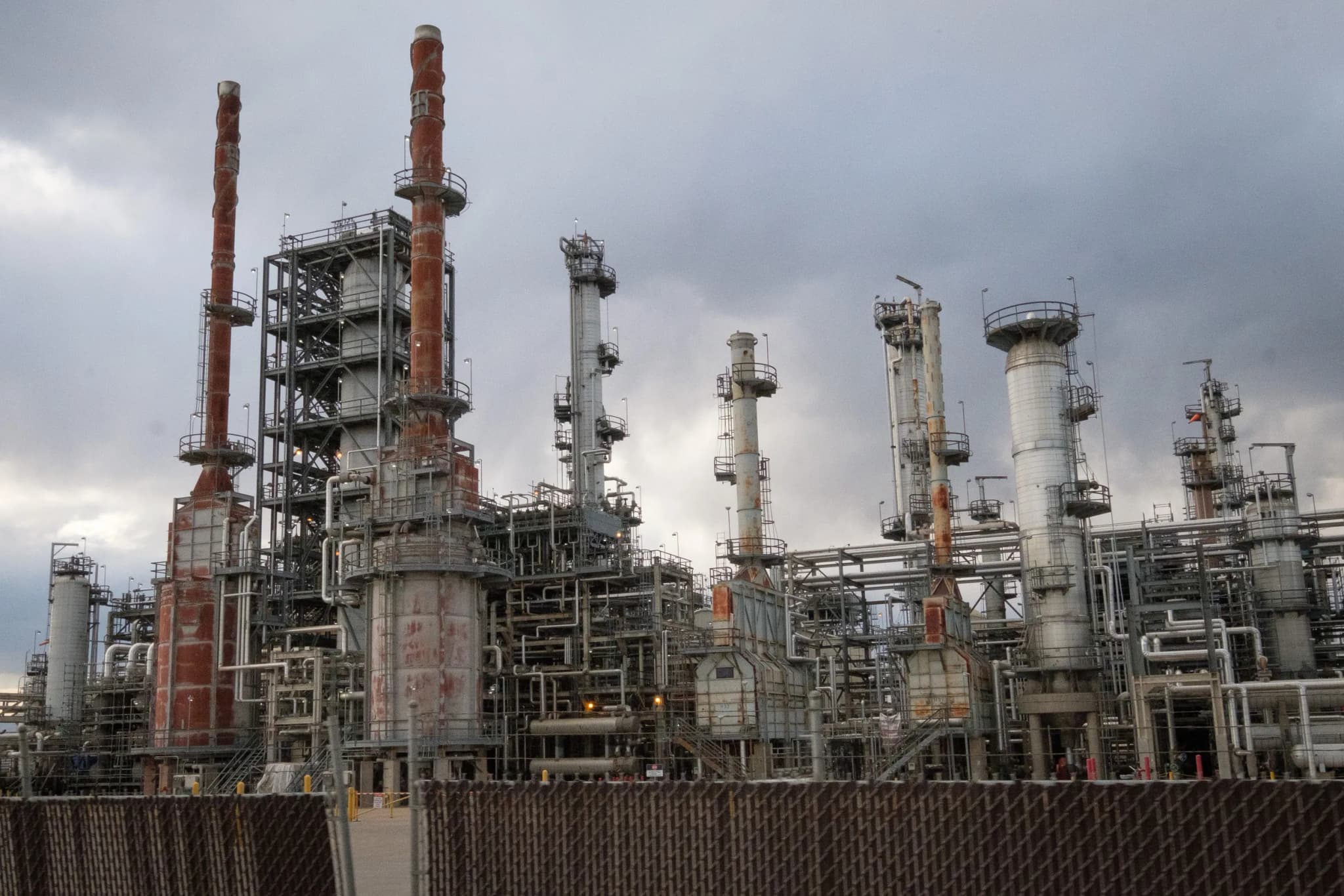
“‘For decades Suncor has delivered extraordinary levels of toxic pollution to North Denver and been fined pennies,’ said Margaret Kran-Annexstein, director of Colorado Sierra Club.”
That quote isn’t just marketing. It’s the bottom line of a federal appeals court ruling that just gave environmental groups the right to sue. The 10th U.S. Circuit Court of Appeals overturned a district judge who said these groups didn’t have standing to interfere. The message is clear: Colorado’s enforcement isn’t good enough. Not yet.
The case centers on Suncor Energy’s refinery in Commerce City. The facility sits right on the edge of the Denver metro area. It pumps toxins into the air. The environmental coalition argues the state has ignored the damage in low-income neighborhoods. They say Suncor treats millions in fines as just another operating cost.
The U.S. District Court in Denver had dismissed the suit in 2024. They agreed with Suncor. The state had been enforcing pollution laws. Consent decrees were in place. Why let citizens jump in?
The groups appealed. They argued the state wasn’t doing the job. Years of consent decrees hadn’t stopped the violations. The refinery kept polluting. The fines kept coming, but they were too small to matter.
Earthjustice, Colorado GreenLatinos, and the Sierra Club led the charge. They told the three-judge panel that “useless slaps on the wrist” don’t count as serious enforcement. Multimillion-dollar fines against billions in profits? That’s not a penalty. That’s a fee.
Suncor’s attorneys pushed back. They told the court to defer to the agencies. Hugh Gottschalk, Suncor’s private attorney, argued the state has been diligent. He pointed to five or six years of agency actions tied to the consent decrees. That’s due diligence. That’s enough.
The appeals court didn’t buy it entirely. They said the district court lumped everything together. It weighed state actions and federal actions equally. Some actions had no consequences for Suncor. The appeals court ruled the lower court needs to look closer. It needs to weigh whether the citizen groups are asking for something different than what the state is doing.
This matters for locals. It means the lawsuit can go to trial. Suncor can’t just hide behind state settlements anymore. The burden of proof shifts. The environmental groups must prove Colorado is not tough enough. But the door is open.
Kran-Annexstein said it best in her release. “When decision makers fail to enforce the law, we must be able to fight back.” The court agreed.
The refinery continues to operate. The air quality monitors keep ticking. The fines keep accumulating. But now, the groups have a new weapon. They can challenge the state’s inaction directly.
This isn’t a guarantee of victory. It’s a guarantee of a fight. The trial will determine if Suncor’s pollution is truly “extraordinary.” It will show whether the fines are truly “pennies.” And it will decide if North Denver residents finally get the enforcement they’ve been promised.
The short version: Suncor lost the procedural battle. The war continues. The next step is the trial. Watch it closely.
Keep up with the Western Slope
The day's Western Slope news, one email each morning. Free.