2026 Colorado Legislature Funds Water and Rail for Western Slope
The 2026 Colorado legislative session secures $37.7 million for water projects and preserves rail corridors, directly impacting infrastructure and economy in Delta, Montrose, and Rio Blanco counties.
Steamboat Springs —"Resilient infrastructure and economic diversification must go hand-in-hand."
That’s the thesis statement from the Western Resilience Center regarding the 2026 Colorado legislative session, and it’s a claim that hits close to home for anyone watching the Yampa Valley’s budget and water bills. The 120th day session wrapped on May 13, 2026, marking the final legislative chapter for Governor Jared Polis’s administration. For our neighbors in Delta, Montrose, and Rio Blanco counties, the impact isn’t just political theater — it’s about how we keep the lights on, the water flowing, and the trains running.
The center highlights five specific wins, but two stand out for their direct impact on local wallets and infrastructure. First, the water picture. HB26-1338, the annual Water Projects Bill, pulls $37.7 million from the Water Plan Implementation Cash Fund. That’s not a rounding error. In an era where drought pressure is increasing and wildfire risk is becoming a seasonal certainty, that money goes toward conservation, storage, and agricultural efficiency. It also funds hydrologic monitoring tools, including satellite tracking, which improves our ability to predict drought before it hits the reservoirs.
As the Western Resilience Center notes, these investments are essential for protecting communities and natural systems. For the folks who rely on the Yampa River basin for irrigation and drinking water, that regulatory certainty is the difference between a good harvest and a dry one.
Then there’s the energy side. HB26-1326 reauthorizes the Colorado Public Utilities Commission (PUC) through 2037. This isn’t just about keeping the bureaucrats employed; it’s about oversight. The PUC regulates investor-owned utilities and drives the state’s clean energy transition, including greenhouse gas reduction goals. The bill updates customer-facing programs, adding incentives for battery storage and rebates. This matters because it provides regulatory stability as Colorado moves away from coal. The goal is to support workers and local economies during that shift, ensuring that the transition doesn’t leave rural communities behind.
SB26-142 expands opportunities for local governments to develop thermal energy networks and community geothermal systems. This opens the door for more localized energy solutions, reducing reliance on distant power grids and potentially lowering long-term costs for municipalities.
But the most tangible win for Western Slope commuters and freight shippers might be the preservation of regional rail corridors. The session’s momentum around transportation infrastructure suggests a growing recognition that our economy depends on moving goods efficiently. Expanding transit-oriented development alongside these corridors isn’t just an environmental play; it’s an economic one. It connects our towns to the broader state market without requiring every single resident to own a car.
The question is whether these legislative wins translate into faster on-the-ground action. The money is appropriated. The commissions are reauthorized. The corridors are preserved. But construction takes time, and utility regulation is often slow-moving. The Western Resilience Center argues that these policies advance climate resilience and strengthen local economies, but locals will know for sure when they see the first new geothermal plant come online or the next round of water storage projects break ground.
For now, the message from the statehouse is clear: the era of ignoring infrastructure is over. The focus has shifted to sustaining what we have and modernizing it for a warmer, drier future.
"The 2026 session demonstrated growing momentum around solutions that benefit people, communities and the environment," the center reports. It’s a hopeful note to end on, especially as we look toward the next administration. The policies are in place. Now we just have to watch them work.
Keep up with Steamboat Springs
The day's Western Slope news, one email each morning. Free.
Moffat County Fair Awards Crown Winners in Horse Show and Crafts
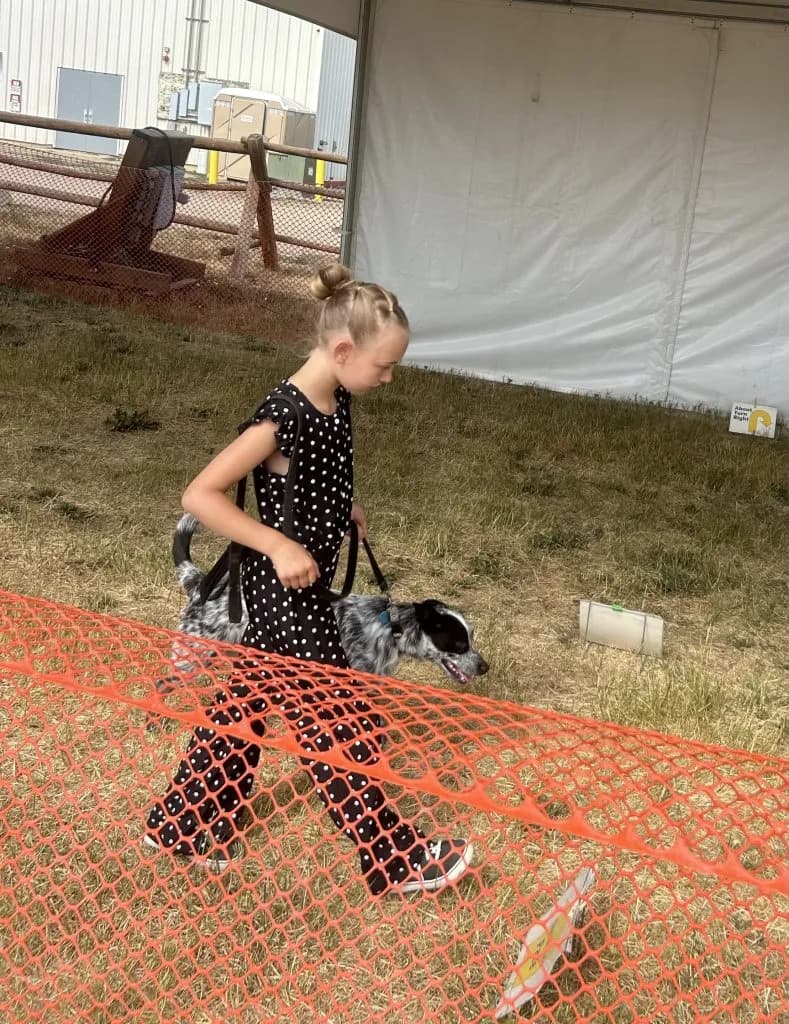
Leela Bridgewater and Corgi Freya Win Routt County Fair 4-H Dog Show