AG Weiser Opposes Amendment 87 Over $600M Legal Risk
Democratic gubernatorial candidate Phil Weiser opposes Amendment 87, citing a $600 million revenue risk if Proposition 136 blocks the tax increases while allowing cuts to pass.
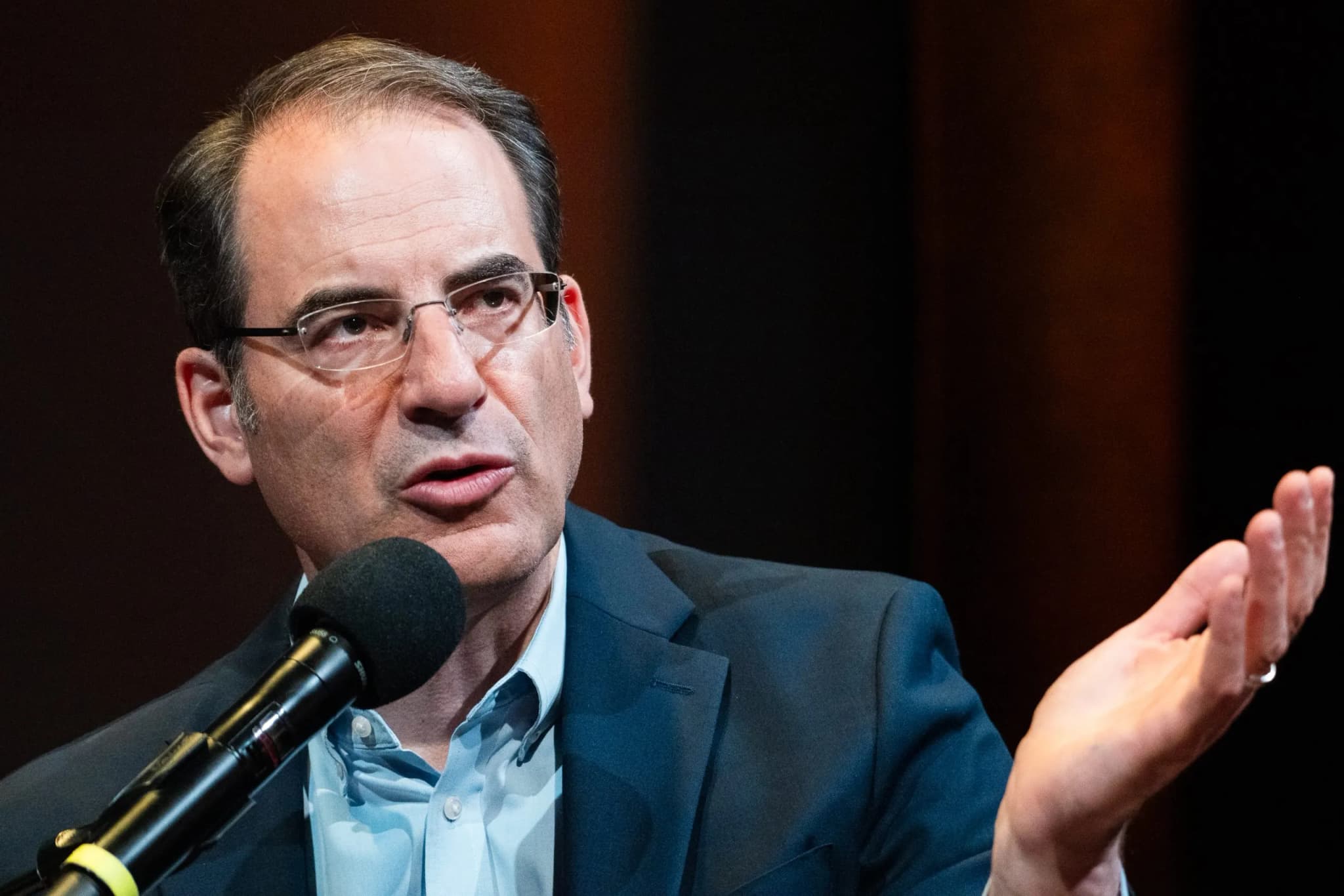
The Buell Public Media Center in Denver hums with the low, static buzz of a crowded room. It’s October 8, 2026. Jesse Paul, the Colorado Sun’s Elections Editor, leans forward in his chair. Across from him sits Phil Weiser, the state’s attorney general and the Democratic nominee for governor. The air is thick with unspoken calculations about what happens next in November.
Weiser paused, then delivered a line that likely silenced the room’s murmurs: “If this measure passes, I will implement it effectively; if not, I will work as governor to build support for a progressive income tax measure that can build a better future for our state.”
He announced Friday evening that he opposes Amendment 87. The measure on the ballot would raise taxes on individuals and businesses earning more than roughly $500,000 to generate an estimated $2 billion annually for healthcare, K-12 education, and childcare. Simultaneously, it cuts taxes for those earning less than $500,000. It is a complex financial mechanism with high stakes for every household in the valley.
The opposition isn’t about ideology; it’s about mechanics. Weiser told The Colorado Sun he supports a progressive income tax, but he views Amendment 87 as the wrong vehicle. His primary concern is Proposition 136, a countermeasure backed by conservative activists that would cap Colorado’s income tax at the current flat rate of 4.4%.
Here is the part everyone skips past: if voters pass both measures, but Proposition 136 receives more votes than Amendment 87, a court could theoretically block the tax increases while allowing the tax cuts to take effect. Weiser estimates that scenario would reduce state revenue by $600 million.
Supporters of Amendment 87 argue the new tax brackets are designed to take effect in their entirety, or not at all. They contend that if Proposition 136 blocks the higher rates, the tax cuts in Amendment 87 would also vanish, keeping the 4.4% flat tax for everyone. But that argument relies on a legal interpretation that hasn’t been tested in court yet. And that matters because it leaves the state’s budget hanging by a thread of judicial interpretation rather than legislative clarity.
Weiser also criticized the measure for lacking a “clear picture of how the money will be spent.” He wants specificity. He wants to know exactly where every dollar goes before he signs it into law.
Weiser is not alone in his skepticism among high-profile Democrats. Current Gov. Jared Polis, U.S. Sen. John Hickenlooper, and former U.S. Ambassador to Mexico Ken Salazar also oppose the proposal. On the other side of the aisle, Democratic U.S. Senator Michael Bennet — who lost the primary to Weiser — announced Friday that he supports Amendment 87. So do Democratic U.S. Reps. Brittany Pettersen, Joe Neguse, and Jason Crow, along with congressional candidates Manny Rutinel and Melat Kiros. Outgoing U.S. Rep. Diana DeGette, Colorado Treasurer Dave Young, and all four Democrats on the state legislature’s Joint Budget Committee back it too.
The political landscape is fractured, but the financial reality isn’t. If you drive down I-70 or sit in a council chamber from Glenwood Springs to Montrose, the question is simple: can you afford a $600 million revenue loss if the courts strike down half of Amendment 87?
Outside the Buell Public Media Center, the Denver sky is turning a bruised purple. The debate isn’t over. It’s just moved from the podium to the ballot box, where the next few weeks will decide whether Colorado moves toward a new tax structure or stays stuck in the legal weeds.
Keep up with the Western Slope
The day's Western Slope news, one email each morning. Free.