Andy Wacker Wins Vail Hill Climb in 52:48 During 50th Anniversary
Andy Wacker claimed victory at the Vail Hill Climb in 52 minutes and 48 seconds, leading the charge during the trail race's 50th anniversary celebration on July 5, 2026.
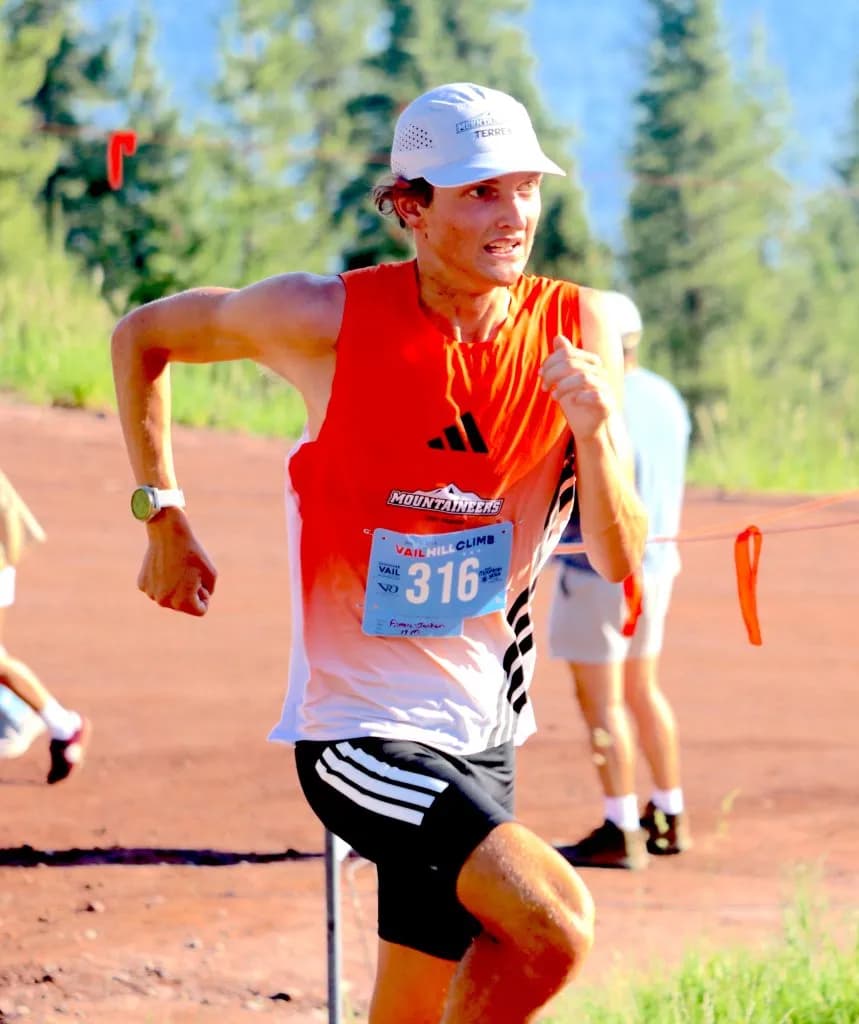
Aspen —The smoke hung low over the paved promenade in Vail Village, thick enough to taste but thin enough to let the sun cut through. It was July 5, 2026, and the air smelled of pine needles and exertion. Four hundred and twenty-five runners stood on the line, not just to race, but to mark a half-century of endurance in the Rockies.
Andy Wacker didn’t look like a man celebrating a milestone. He looked like a man who had already won.
The common narrative for the Vail Hill Climb’s 50th anniversary is one of nostalgia — a look back at how far the sport has come. But the reality on the ground was sharper. This wasn’t just about remembering the past; it was about the brutal, immediate physics of climbing 2,200 feet in seven and a half miles. The event’s longevity is the story, yes, but the race itself is a test of who can survive the climb now.
Wacker, a four-time trail national champion and CU alumnus, took the win in 52 minutes and 48 seconds. He didn’t just beat the clock; he dismantled the course’s most notorious feature.
“I went out pretty fast in the first mile and then the second (I) was saving up for the really steep section,” Wacker said after claiming his second-career victory. “I knew it was coming and tried to pace myself.”
He proved it on the triple switchback before the third-mile mark, dishing out a supra-anaerobic burst that left defending champion Josh Ernst struggling to match his rhythm. Wacker didn’t blow up. He didn’t gasp for air in a way that suggested panic. He just kept moving, bolting to an early lead and holding it.
“It’s an honor,” Wacker said, reflecting on the significance of the event’s half-century run. “This year there’s a lot of 50th anniversaries for big road races. But for trail it’s super unusual.”
That distinction matters. Road races are common. Trail races that survive fifty years? Not exactly. They require a specific kind of commitment from the community, a willingness to show up in smoke and heat year after year.
The women’s race told a different story of adaptation. Alayna Szuch, a 22-year-old mechanical engineer from Boulder, won in 1:04:38. She finished 17th overall, a testament to her versatility. She’s been doing more cycling lately, training for the Bob Cook Memorial Hill Climb on Mount Blue Sky, which is back after a year-long hiatus while highway crews repaved the route.
“It felt like it took more effort today than in 2024,” Szuch admitted. She’s ridden the route hundreds of times, and the new pavement has changed the feel of the climb. “The new section is really nice. So I’m really looking forward to that.”
But the day’s most startling performance didn’t come from the podium leaders. It came from Jackson Filmore, a 19-year-old Western Colorado University sophomore. Filmore finished second overall in 53:31, shaving just over six minutes off his time from the previous year.
“Today felt good,” Filmore said. “I was dealing with the smoke pretty well. Mentally I wanted to give up on some of those hills, but the end was a lot closer than I thought.”
The smoke was the invisible competitor. It sat in the valley, a constant reminder that this race happens in the high country, where weather and altitude dictate the terms. Filmore handled it. Wacker handled it. Szuch handled it.
Emily Coppi, paced by her husband Mason — the 2026 USATF mountain running national champion, took runner-up in 1:06:18. Sarah Ellefson of Edwards finished third in 1:09:53. But the numbers on the clock were secondary to the fact that 425 people showed up to prove the event wasn’t just a relic.
Wacker celebrated the Fourth of July by winning the Niwot Mile on Saturday. By Sunday, he was back in Vail, fresh and focused. He savored the ascent-only aspect of the race, but he appreciated the history more. Fifty years of a trail race is an anomaly. It’s a testament to the stubbornness of the locals who keep it alive.
As the runners crossed the finish line, the smoke began to lift slightly, revealing the peaks above. The race was over. The anniversary was marked. And the mountain stood there, unchanged, waiting for the next group of runners to try and conquer it.
Keep up with Aspen
The day's Western Slope news, one email each morning. Free.