Anne-Marie McDermott Steps Down as Bravo! Vail Music Festival Artistic Director
Anne-Marie McDermott ends her 16-year tenure as artistic director of the Bravo! Vail Music Festival, marking a significant transition for the international classical music destination.
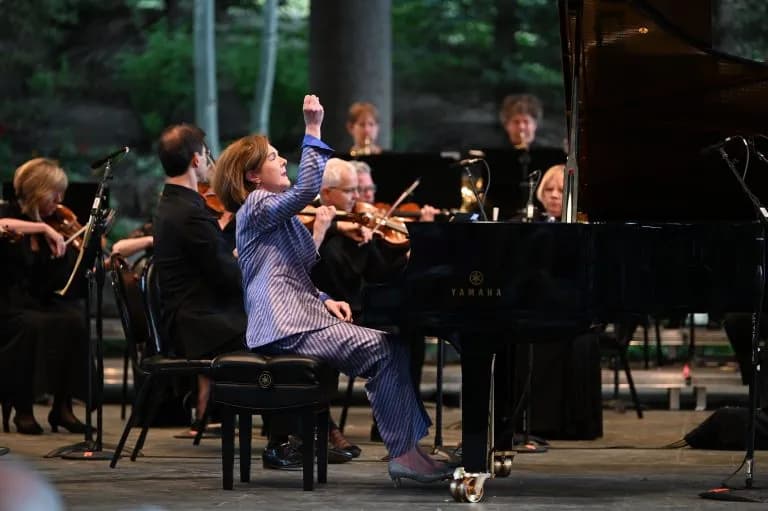
Aspen —The air inside the Vail Performing Arts for the Performing Arts center is always cool, but this summer it feels different. Not because of the thermostat, but because the rhythm of the place is changing. For sixteen years, the programming has been shaped by one hand. Now, that hand is letting go.
Anne-Marie McDermott is ending her tenure as artistic director of the Bravo! Vail Music Festival this summer. She isn’t retiring from music entirely. She’ll still be in the audience. She’ll still watch the shows. But the person who built the festival’s modern identity is stepping away from the helm.
McDermott didn’t just manage the festival; she expanded it. When she took the job, she had been performing there since 1992. She saw an opportunity to deepen the programming and bring more musicians together. She wanted Vail to be a musical hotbed. She wanted chamber music to feel as urgent and personal as symphonic music.
“I got to know the audience as a performer over those years,” McDermott said. “Bravo! has one of the world’s great audiences. They are so embracing, and they just make you feel great as a performer.”
The results are measurable. She doubled the number of performances. She introduced an international chamber orchestra residency. She launched the Symphonic Commissioning Project, which co-commissions new works with resident orchestras. She created series like Classically Uncorked and Immersive Experiences. These aren’t small tweaks. They are structural changes that turned a local event into an international destination for classical music.
But the real story isn’t just in the brochures. It’s in the collaboration. McDermott emphasized listening. She believed the greatest chamber music happens when people listen to each other, collaborate, and elevate each other. It’s a philosophy that trickled down to her favorite program: the piano fellows.
Pianists whose careers are just starting spend weeks shadowing her. They get a comprehensive experience. They walk away inspired. McDermott wanted to give back. She wanted to show the public that chamber music isn’t just for elites in tuxedos. It’s intimate. It’s personal.
“I wanted to get the public more excited about chamber music because it’s so different from symphonic music,” she said.
Now, the festival faces a transition. Who fills the shoes of someone who held the job for sixteen years? McDermott says the festival has a different vibe every summer. It needs that variety. It needs to keep learning.
The short version: The architect is leaving the building. The building is still standing. The music is still playing. But the voice that defined the last decade and a half is stepping into the crowd.
McDermott still has her notes from her first interview for the job. The priority was the same then as it is now: make Vail a place where musicians from all over the world yearn to perform. Make the programming comprehensive. Make the music matter.
She says seeing the joy music brings to people reinforced how much we need it in our lives. That’s the hard fact. The rest is just logistics.
The festival continues. The concerts happen. But the specific energy that McDermott cultivated — that specific blend of high-level artistry and community warmth — is now up for grabs. The audience is still there. They’re still embracing. But the conductor of the strategy has put down the baton.
Locals will notice the shift. Not immediately. It takes time for a new artistic vision to take root. But the fingerprints of the last sixteen years are everywhere. The question isn’t whether the festival will survive. It’s whether it can replicate that specific magic without its primary architect.
McDermott will be watching. She’ll be there. But she won’t be steering.
Keep up with Aspen
The day's Western Slope news, one email each morning. Free.