Arvada Dad Builds Campsite Ranger To Beat Wildfire Chaos
Arvada developer Chris Dorsey launched Campsite Ranger, a $25 tool tracking campsite availability alongside wildfire and air quality data to help families avoid last-minute closures.
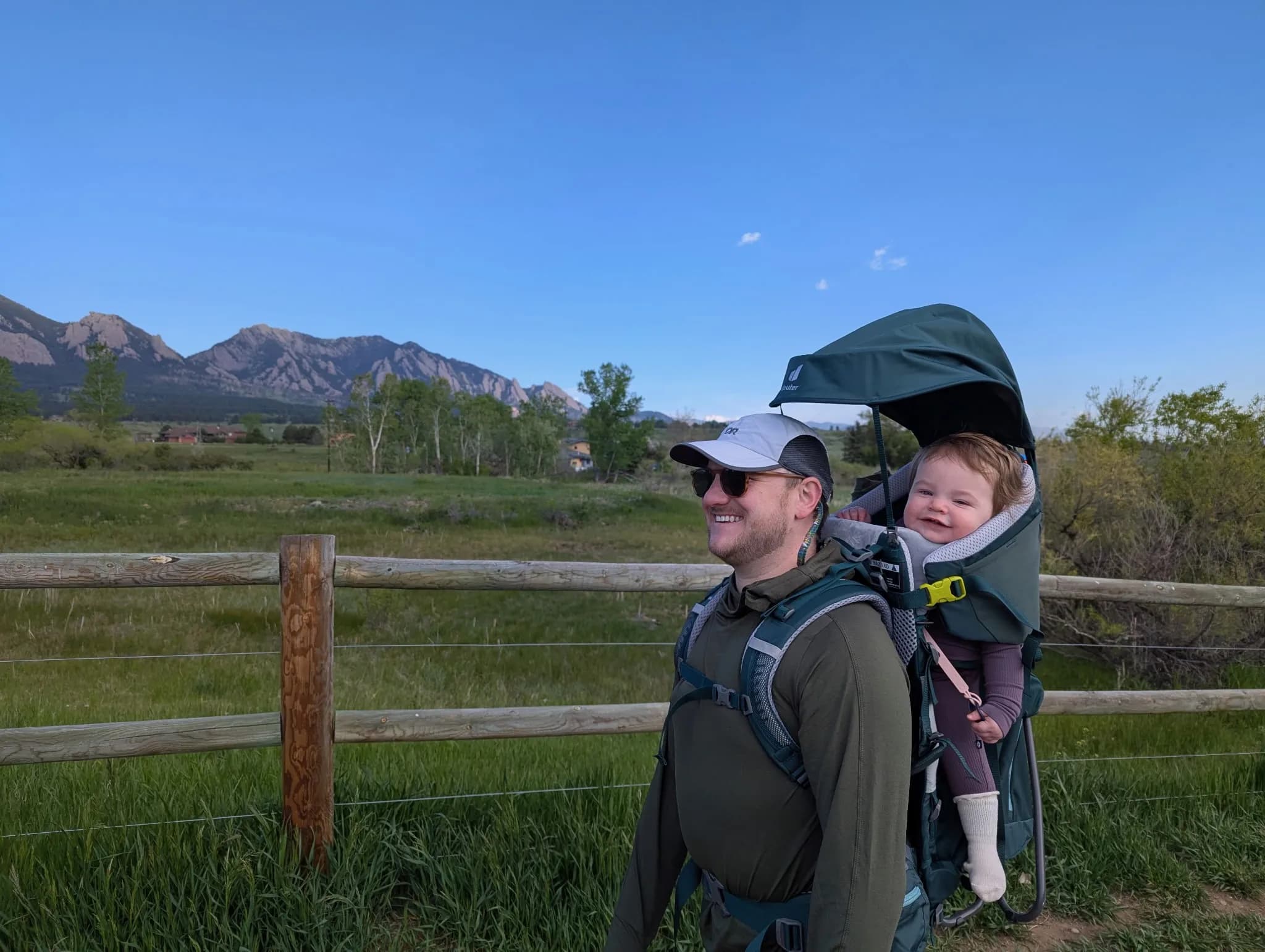
Sloane Dorsey is two and a half years old. Before she could walk, she would smack the glass door leading to their Arvada deck. She wanted out.
“If she could sleep outside every night,” her father, Chris Dorsey, told the Colorado Sun, “I honestly think she would.”
That demand for fresh air collided with a brutal reality: Colorado’s most popular campsites sell out in hours, often six months in advance. For the Dorseys, a successful booking was no guarantee of a good trip. Wildfires could close a site on the day they arrived, ruining weeks of planning.
Dorsey, 38, works in tech for the marketing firm Epsilon. He didn’t want to just wait for a notification that a spot opened; he wanted a system that accounted for the chaos. He built Campsite Ranger to do exactly that.
On paper, it’s a booking alert tool. In practice, it’s a weather and wildfire monitor that happens to track permits. The free version alerts users when a spot becomes available. The paid tier, which locks in at $25 for life, adds the ability to track multiple spots or weekends. But the real value isn’t in the booking itself; it’s in the data layer. The site pulls weather reports, air quality indices, and safety alerts for specific campgrounds. If a wildfire closes your booked site in Rocky Mountain National Park, the system flags it and points you to a nearby alternative that is still open.
Dorsey was blunt about the competition. “The sites were not only paid, they were only notifying me when a spot opened,” he wrote in the Colorado Sun piece. “That’s 25% of the problem. The whole point of my site is to be proactive.”
He’s not new to this hustle. He grew up in Maryland, selling Baltimore Ravens tickets for profit in middle school. He moved to Boulder after a failed interview at an ad agency, deciding he liked the city more than the job. He spent years in New York and Washington, D.C., before returning to Colorado when his wife, Alexis, moved out after the pandemic.
For folks on the Western Slope, this matters because our geography is unforgiving. We don’t have the luxury of a backup plan in a nearby city if a fire closes a corridor. If the site you booked near Glenwood Springs goes dark due to smoke or flame, you need to know immediately so you can pivot before you’re driving an hour into a dead end.
Dorsey’s background in tech marketing is relevant here. He understands that the product isn’t the tent; it’s the certainty of having a place to put the tent. The $25 annual fee is negligible compared to the cost of a wasted weekend or a gas-guzzling detour.
Let’s do the math on the risk. A family driving from Denver to a site in the San Juans spends roughly $150 on gas. If that site closes due to a wildfire, they spend another $150 driving back or finding an alternative. Two weekends of uncertainty costs $300 in fuel and lost time. The subscription is a quarter of that, locked in for life.
The Colorado Sun noted that Dorsey initially built the site for himself. When friends asked for links, he realized the problem was shared. Most users will likely stick to the free tier, which covers single-spot alerts. The paid options are for the planners who book multiple weekends or manage several locations.
There is no guarantee this solves the overcrowding issue. Colorado’s outdoor recreation boom isn’t slowing down, and infrastructure is still catching up to demand. But for the neighbors who plan their summer around a specific lake or ridge, having a tool that watches the air quality alongside the booking status is a practical upgrade.
Dorsey’s daughter still wants to be outside. The website doesn’t change the weather, but it changes how you react to it. You stop hoping for a cancellation and start preparing for the closure.
That $25 is the cost of not getting stranded on a closed highway with a full tent and no plan B.
Keep up with the Western Slope
The day's Western Slope news, one email each morning. Free.