Aspen Airport Closure Logistics Unveiled at July 14 Ready Together Event
Aspen officials detail the 2027 airport closure plan at the 'Ready Together' event, addressing housing adjustments, traffic shifts, and employment impacts for the valley.
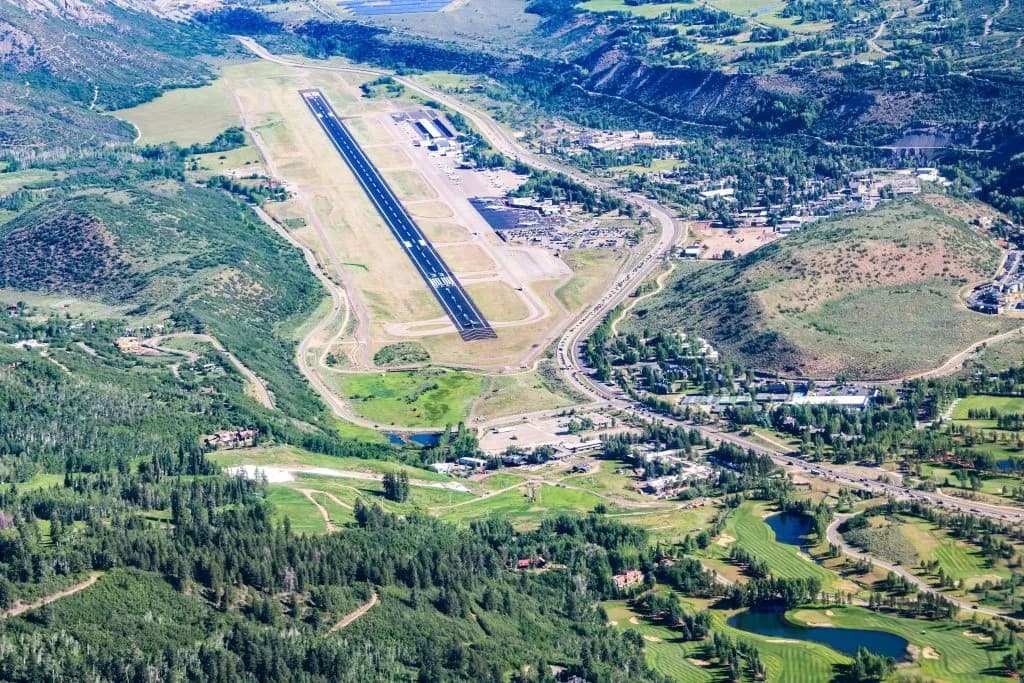
Aspen —The hum of the Aspen/Pitkin County Airport is about to go silent, but the noise it leaves behind is just beginning. For the next several months in 2027, the valley floor will be a different place — louder, busier, and fundamentally restructured around a massive construction zone where planes once landed.
That shift is the focus of the “Ready Together” event on July 14 at the Limelight Aspen, a public information session designed to walk locals through the logistics of closing the airport runway from April 4 to November 19, 2027. It’s not just about flight schedules; it’s about how you get to work, where you live, and whether the local economy survives the transition.
“The airport closure is necessary to complete critical improvements that will serve our region for generations,” Kara Silbernagel, Pitkin County Manager, said in a press release. “Planning for the 2027 closure is not just an airport project, it is a community-wide preparedness effort. The more we collaborate, communicate, and plan together now, the better equipped we’ll be to minimize disruptions and support our residents, workforce, businesses, and visitors during the closure period.”
The question is whether “minimizing disruptions” includes keeping people employed.
At a recent meeting between the Aspen City Council and the Pitkin County Board of County Commissioners, officials tackled the human cost of the modernization project. Silbernagel noted that while tourism might dip slightly, the construction boom itself could offset job losses. She expects the surge in construction projects planned for the summer of 2027 to create more employment opportunities than many locals realize, though the competition for those roles will be fierce.
“I think, on one hand, we’re looking at people that might not have jobs, on the other hand we’re looking at potentially really strong competition for many of the construction jobs that are out there,” Silbernagel said.
Housing and hours are the other levers being pulled. Council Member John Doyle said the Aspen/Pitkin County Housing Authority is adjusting its requirements to keep locals in their homes during the closure. Specifically, the working hours requirement for residents will be lowered to accommodate those whose jobs shrink during the transition.
“We will be reducing the hours to try and make life easier for people who are going to be on reduced hours,” Doyle said. He clarified that the requirement won’t disappear entirely, but it will ease the pressure on workers who can’t maintain full-time schedules while tourism fluctuates.
Then there’s the housing question for the construction crews themselves. Aspen Mayor Rachael Richards floated the idea of a “man camp” — temporary housing on the airport property itself. This isn’t just about putting workers up; it’s about traffic management. If workers live on-site, they drive less, and the roads around the airport don’t get clogged with commute traffic during peak construction hours.
Traffic is the elephant in the room. Despite the airport being closed, visitors aren’t going away. Eliza Voss, Aspen Chamber Resort Association’s vice president of destination marketing, said a recent survey showed two-thirds of visitors still plan to come, and many are excited to return to a potentially less crowded Aspen. That means more cars on the highway.
Chris Miller, Aspen One’s vice president of sustainability, believes the closure will force a shift toward better ground transport. He envisions improved long-range bus services that reduce the reliance on rental cars, which currently clog the roads. “We do believe that there is a need for a service that helps people come from DIA and the regional airports to the region, even without the airport culture,” Miller said.
The “Ready Together” event is the first major update on these logistics. It features representatives from Aspen One, the Aspen Chamber Resort Association, Snowmass Tourism, and the Roaring Fork Transportation Authority. The goal is to answer the questions locals are actually asking: How do I get to the airport if I’m flying out? How do I get to my job if the bus schedule changes?
Space is limited at the Limelight, and the event is currently full, but you can get on a waitlist or watch live on GrassRoots TV and YouTube. The closure starts in 2027, but the planning is happening now.
Silbernagel summed up the stakes clearly: “Local and regional organizations are committed to providing regular updates and engagement opportunities to help the entire community prepare for this significant milestone.”
It’s a milestone that will change how the valley moves, works, and lives. The runway will be closed, but the conversation about what comes next is just getting started.
Keep up with Aspen
The day's Western Slope news, one email each morning. Free.