Aspen Animal Shelter Matriarch Ellen Roeser Dies at 91
Ellen Roeser, a Fort Worth native and devoted Aspen Animal Shelter volunteer, died at age 91. Her legacy is defined by quiet service to cats after the loss of her son Tony.
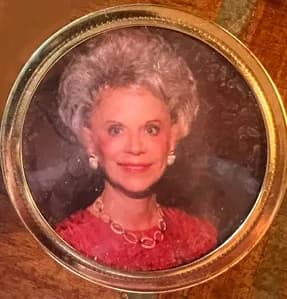
Aspen —The snow was still falling on the Aspen Animal Shelter when Ellen Roeser arrived, her boots crunching on the packed ice outside the door. It wasn’t the grand estate on 23 Westover Road in Fort Worth, nor was it the polo fields of Spain where she’d once held a 12-gauge shotgun with lethal precision. It was just a small building in a mountain town, smelling of wet fur and antiseptic, where she spent her mornings feeding cats that no one else wanted.
Here’s the thing though: we often think of Aspen as a place of arrival, a destination for the wealthy who buy their way into the mountain lifestyle. But for Roeser, who died on Monday, June 15, at the age of 91, the town was a refuge found in the wake of a specific, crushing tragedy. It wasn’t about the ski slopes or the social calendar. It was about the quiet, repetitive act of caring for something small and helpless when the world felt too big and too broken.
Roeser was born into the kind of Texas oil money that builds history books. Her father, Charles, was a renowned wildcatter who served on the Petroleum Industry War Council during World War II. He drove her to school every morning after breakfast, a ritual that defined her childhood until a heart attack claimed him when she was just 14. She went on to The Hockaday School in Dallas, where Eleanor Roosevelt delivered the keynote address at her graduation — a detail that sounds like it belongs in a biography of the elite, not a local obituary. She was a Duchess at Fiesta San Antonio. She competed in pigeon shoots across France, Mexico, and Spain.
But the narrative that sticks isn’t the marksmanship or the marriages. It’s the loss. In 1989, her youngest son, Tony, died in a car accident at age 19. He was driving back to Fort Worth from Austin, where he had just finished his freshman year of college. The grief was total. Roeser never fully recovered from it.
The year before Tony died, she bought a condominium in Aspen. She began splitting her time between Texas and Colorado, but the mountain town eventually became the anchor. She didn’t just visit the Aspen Animal Shelter; she became a fixture there. She helped feed the cats. She helped care for them. She donated generously, both time and money, and helped establish the cat sanctuary.
Picture this: a woman who grew up at a home shared by Van Cliburn and Kimbell, now kneeling on a concrete floor in a modest shelter, checking boxes on adoption forms. It’s a shift from the public spectacle of high society to the private dignity of service. And that matters because it redefines what her legacy looks like to the people who actually live here. It’s not just that she was rich or that she shot pigeons. It’s that she showed up, day after day, for the animals that had nowhere else to go.
Her sons, Charles Meeker and Tony Brants, were 13 years apart. They treasured time with her skiing on Possum Kingdom Lake and at her late father’s lake house on Eagle Mountain Lake, which family members still enjoy today. But the bond with Tony, lost so young, seemed to drive her toward the shelter. The cats needed care. They needed someone who understood that life is fragile and that a quiet moment of attention can mean the difference between a lonely end and a new home.
Roeser’s life was a tapestry of adventure, love, philanthropy, and tragedy, as the sources say. But in Aspen, the tapestry is woven from smaller threads. It’s the sound of a cat purring in a carrier. It’s the smell of rain on the mountain. It’s the knowledge that a woman who once held court in Fort Worth ended her days making sure the strays were fed.
The shelter is still there. The cats are still waiting. And the empty chair at the front desk is a reminder that the work continues, even when the patron who filled it is gone.
Keep up with Aspen
The day's Western Slope news, one email each morning. Free.
Rifle Resident Billie Anne Jansky Passes at 87 After Navy Service
Apple Executive Argues Aspen Should Prioritize Community Over Luxury Retail