Aspen Bakery Brothers Retain Core Store While Selling Chain to Panera
Aspen's Paradise Corner Bakery brothers retained their flagship store after selling the rest of their chain to Panera Bread, prioritizing staff and community ties over rapid expansion.
Aspen —A $24,000 price tag in 1973. A pencil-written “FOR RENT” sign on a doorknob in 1981.
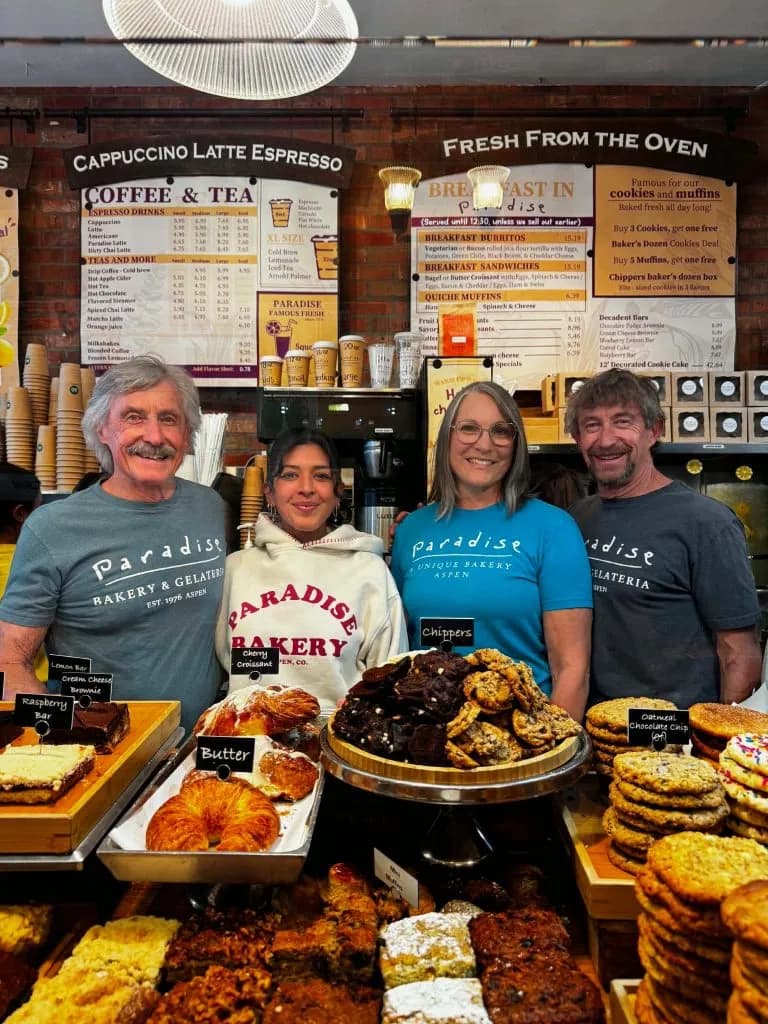
Danny and Mark Patterson didn’t just find their spot in Aspen; they calculated it. The brothers, who have operated Paradise Corner Bakery for nearly five decades, built their business model on a simple equation: treat staff as coworkers and guests as family, and the profits will follow. They didn’t start in Aspen — they launched their first store in Long Beach, California, in 1976 — but they kept the Aspen location when they sold the rest of their chain to Panera Bread Company.
The result is a business that has outlasted national trends and local economic shifts by focusing on what most developers ignore: human capital.
Danny Patterson, who first visited Aspen in 1965 and returned to ski for a semester before dropping out, says the decision to stay was immediate. “I always say, ‘Not for 10 seconds,’” he told Aspen Times reporter Bryan Welker. His parents bought a home here in 1973 for $24,000. They thought they had overpaid. That purchase anchored the family in a town that offered mountains, small-town stability, and schools good enough to raise kids without “big-city chaos.”
Mark Patterson joined the fray in 1981. He was ski racing and working at the Chart House restaurant when Danny proposed a bakery venture. Mark agreed to help finish building the first store for two weeks. He never left.
The location matters, but so does the philosophy. Danny and Mark refused to view their workers as mere employees or their patrons as customers. They called it a “culture of excellence.” When the brand expanded across the country, they sold off the other bakeries to Panera but kept this one. It wasn’t an accident of geography; it was a strategic retention of their core identity.
“We rolled the dice and said, ‘This is the best location in town,’” Danny Patterson noted. “It still is.”
On paper, keeping a single store while selling a multi-state chain looks like a retreat. In practice, it’s a consolidation of quality. The Aspen store remains staffed. They aren’t cutting labor costs to boost margins. They are investing in the people who make the product and deliver it.
Feinsinger wrote in the Post Independent that this approach has allowed Paradise Corner to become an institution. It’s not just about selling bread or pastries. It’s about maintaining a specific operational rhythm that prioritizes long-term relationships over short-term efficiency gains.
The financial implication for locals is straightforward. When a business prioritizes staffing, it keeps money circulating within the community rather than extracting it to corporate headquarters. The Pattersons’ model suggests that higher labor costs are not a burden but an asset. They are paying for consistency, quality, and retention.
For neighbors who buy their coffee or bread daily, this means the person behind the counter knows your name and likely has been there for years. For property owners, it means a stable tenant that isn’t constantly downsizing to meet quarterly earnings reports.
The bottom line is simple. The Pattersons didn’t just survive the rise of big-box chains and national franchises; they thrived by refusing to become them. They kept the Aspen store because it worked, and it works because they put people first. Profits followed. The location held. And the community got a business that didn’t treat them like numbers in an algorithm.
Keep up with Aspen
The day's Western Slope news, one email each morning. Free.