Aspen Carpool Permits Drop 52% As Transit Ridership Climbs
Aspen carpool permits fell 52% after stricter rules, while transit ridership rose. The city seeks to boost shared mobility through new funding and partnerships.
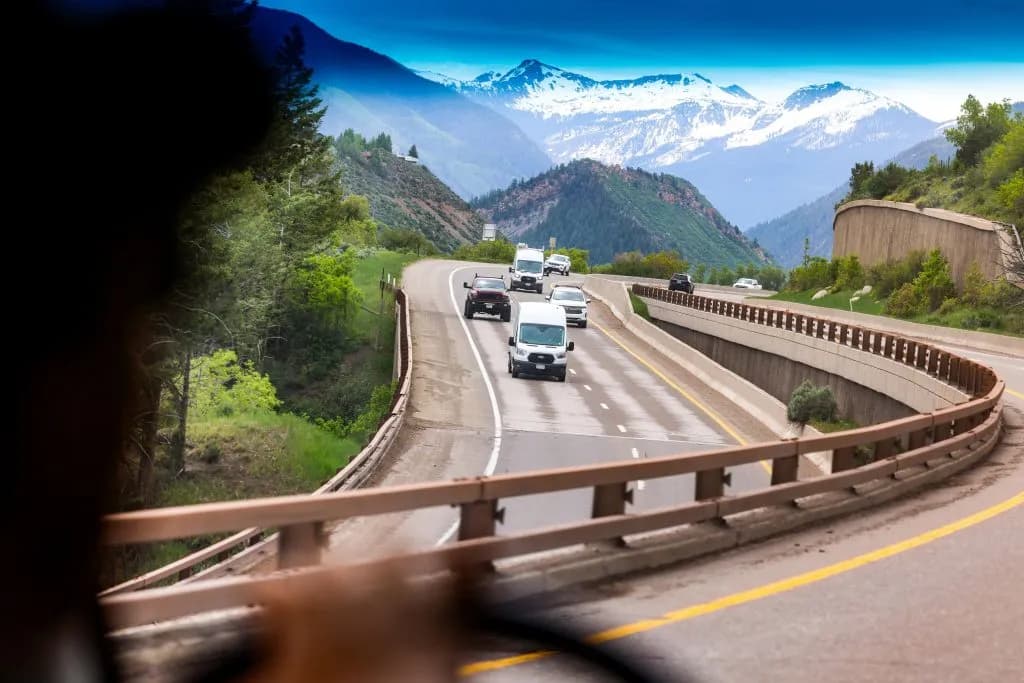
Aspen —Aspen’s carpooling program is dying.
The city blames the rules. But the data suggests the problem is deeper.
City Council received an update on transportation initiatives this week. Staff reported that only 12,344 carpool permits have been issued through July. That is a 52% drop from 2025.
Why? In February, the city changed the rules. To qualify for free carpool parking, you now need a group of three. Previously, two people were enough.
Make no mistake, this hurts. If you drive with one friend, you’re out of luck. You pay for parking. Or you walk.
But look at the transit numbers. Roaring Fork Transit Authority ridership is up. In-town, fare-free rides saw a 7.8% increase year-over-year. August 2024 alone saw 672,760 riders.
People are taking the bus. They are not carpooling.
The city wants to fix this. They are pushing carpooling again. Free parking. Matching services. Incentive funding. They are partnering with 17 local employers on over $40,000 in mini-grants for bus passes and vanpools.
They are also looking at rideshare apps. Staff are working with the Northwest Colorado Council of Governments on a potential app for the Roaring Fork and Colorado River valleys.
And there is the Zipcar pilot. A three-year program started earlier this year. Local membership passed 100 in July. Staff will ask for $136,000 in the 2027 budget to keep it running.
There is also the bike share. Staff will work with WE-cycle on a five-year plan. Electrification. Better stations. More efficiency.
The short version: Aspen is trying to get people out of single-occupancy cars. The carpool permit drop is a symptom. The real story is the shift to public transit and shared vehicles.
Read that again. The carpool program lost half its users because the barrier to entry rose. But transit ridership climbed. The mode shift is happening, just not where the city expected.
The city plans to expand the mini-grant program next year. A $120,000 request is in the works for 2027. They want to subsidize more bus passes. They want to fund more vanpools.
They are also creating a new grant stream for visitors. For the first time, Short-Term Rental Tax funds will go toward projects that reduce visitor car trips.
It is a broad net. Bikes. Buses. Carpools. Rideshares. Car shares.
The goal is simple: fewer cars on the road.
The execution is messy. The carpool rule change stung. But the transit growth is real.
Worth watching: whether the new visitor grants actually reduce traffic. And whether the rideshare app launches.
If the app fails, the city falls back on buses and bikes. If it succeeds, the landscape changes.
Keep up with Aspen
The day's Western Slope news, one email each morning. Free.