Aspen Council Approves $60.6M Armory Hall Project
Aspen City Council unanimously approves a $60.6 million budget for the Armory Hall renovation, committing over $44 million in guaranteed maximum price to Shaw Construction.
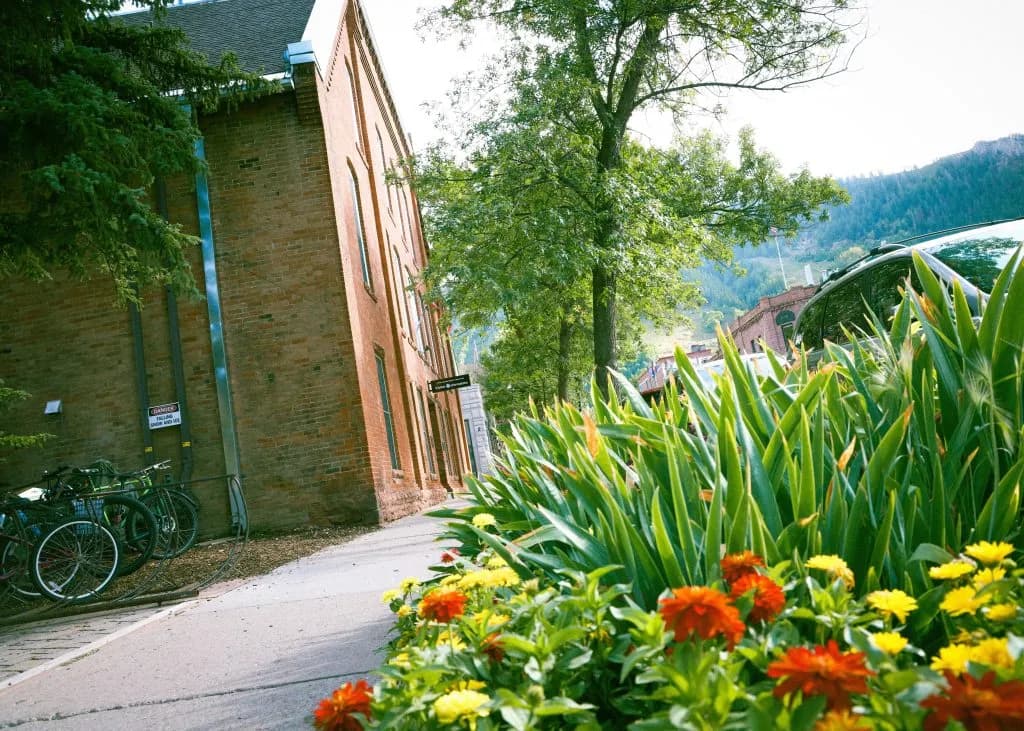
Aspen —A $44.6 million guaranteed maximum price. That’s the number Shaw Construction just pinned to the Armory Hall project, and it’s enough to make even the most optimistic Aspenite check their property tax bills twice.
The City Council unanimously approved the move from pre-construction to actual construction Tuesday, signing off on the financial scaffolding needed to turn this historic building into something other than a drafty relic. But let’s not get distracted by the ribbon-cutting potential. The real story is the money. Specifically, the $60.6 million total all-in budget that locals will eventually foot the bill for.
Mayor Rachael Richards was absent, which is a shame, because Council Member Bill Guth didn’t hold back. He called it an “extraordinarily expensive project.” He’s right. On paper, the jump from the initial $54 million estimate to the current $55.7 million construction phase budget looks like a cost overrun. In practice, it’s mostly accounting refinement.
The report clarifies that Shaw’s direct costs didn’t explode. The increase comes from finalizing the 28-month construction duration and adding in the “soft costs” — administration, insurance, permits, testing. It’s the bureaucratic tax on time. You want it done in two years? You pay for the overhead of managing that two years. You want it done in five? You pay more. The city is betting on speed, and speed costs.
Let’s do the math on the funding gap. The 2026 appropriation covers this year’s spending. The hole for 2027 and 2028 is $42.7 million. That’s not a placeholder anymore; it’s a line item. The report says this matches the FY 2027 long-range financial plan, which means the city isn’t inventing new money out of thin air. They’re just confirming they have the credit to burn.
The contracts are signed. Shaw Construction is the general contractor, selected through a competitive process. Concept One Group gets $342,255 to represent the owner. CCY Architects gets $1.7 million for construction administration. And the city manager gets authority to approve change orders up to nearly $7 million in contingency. That contingency is calculated at 15% of Shaw’s price plus 15% of the architect’s fee. It’s a buffer for when things go wrong, or when they go right but expensive.
Guth argued that the money was going to be spent anyway. “This use of the building is the highest and best use for the community.” That’s a bold claim for a building that has sat in various states of disrepair for decades. Adaptive reuse is the buzzword, but $60 million for adaptive reuse is a steep price for adaptation.
The project isn’t just about bricks and mortar. It’s about cash flow. The city needs to ensure the 2026 funds last, and that the $42.7 million for the next fiscal years doesn’t trigger a tax hike or a bond measure. For now, the resolutions are passed. The contractors are hired. The clock is ticking on the 28-month timeline.
The bottom line? Aspen is committing over $60 million to fix up the Armory Hall. That’s roughly what the city spends on all capital improvements combined in a typical year, multiplied by three. Locals aren’t just getting a renovated building; they’re getting a multi-year lien on their municipal budget. If the soft costs balloon, or if the 28-month schedule slips, that $42.7 million contingency will evaporate fast. And when it does, the bill comes due.
Keep up with Aspen
The day's Western Slope news, one email each morning. Free.
Aspen Housing Authority Seeks $590K Office Upgrade Amid Cramped Conditions
Vail Secures Water Rights for 37-Unit Montelisse Condo Project
Moffat County Commissioners Weigh Data Center Moratorium Amid Transparency Claims

Aspen Skiing Company hosts 10th annual Stars Above astronomy night

Aspen Animal Hospital Clinical Leader Dr. Anne Cooley Navigates WellHaven Ownership Shift