Aspen Resident Warns Civic Resignation Mirrors China's Zero-COVID Impact
Aspen resident Natalie Woolley argues that local civic apathy mirrors the resignation she witnessed in China, urging neighbors to attend meetings before losing their voice.

Aspen —The wind off the Roaring Fork River cuts through downtown Aspen with a specific, dry sharpness that settles into your jacket before you even reach the sidewalk. It’s a cold that doesn’t ask permission, just arrives with the season and stays until it’s ready to leave. For most people, that wind is a nuisance — a reason to pull the collar up and hurry past the Wienerstube. But for Natalie Woolley, that wind is a reminder of what she spent a decade trying to build elsewhere: a community where the air feels breathable, and the people in it actually show up.
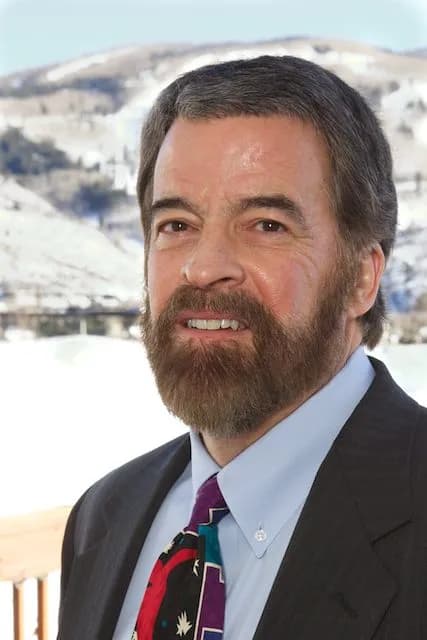
Woolley wrote a column for the Aspen Times this week, and it reads less like a travel memoir and more like a warning label. She spent her 20s in Huangshan, a mountain town in Anhui province, China. It’s a place with dramatic peaks and a history that predates the current political experiment by centuries. She went there to teach English, but her curriculum was broader than grammar and vocabulary. She wanted to export the "Aspen Idea." That means global citizenship, environmental care, and the stubborn belief that a small town can be part of something larger. She opened a private language school and co-founded a Thai restaurant that served as an underground social club, a place where locals, tourists, and expats could sit at the same table.
On paper, it was a success. In practice, it was fragile.
The fragility wasn’t economic; it was structural. When the Chinese government implemented zero-COVID measures, they didn’t just close doors; they reached into the mechanics of private life. Officials wanted the combinations to their door locks so they could control access remotely. They dictated when the restaurant opened and closed. The school’s profit margins evaporated into cleaning supplies and mandatory closures. Then, the final blow: a top-down decision barred foreigners from holding equity in schools like hers. Ten years of work, gone with a single announcement.
Woolley’s central argument isn’t about China’s specific policies, though she details the cronyism and opacity of the system. It’s about the resignation that follows when agency is stripped away. She noticed a specific phrase among her neighbors: lao bai xing. It translates roughly to "old hundred surnames" or, more colloquially, regular folks. It wasn’t said with anger. It was said with a shrug. The implication was that ordinary citizens had no power to change anything, and they had long since given up hope of holding their leaders accountable.
That shrug is the thing to watch for here.
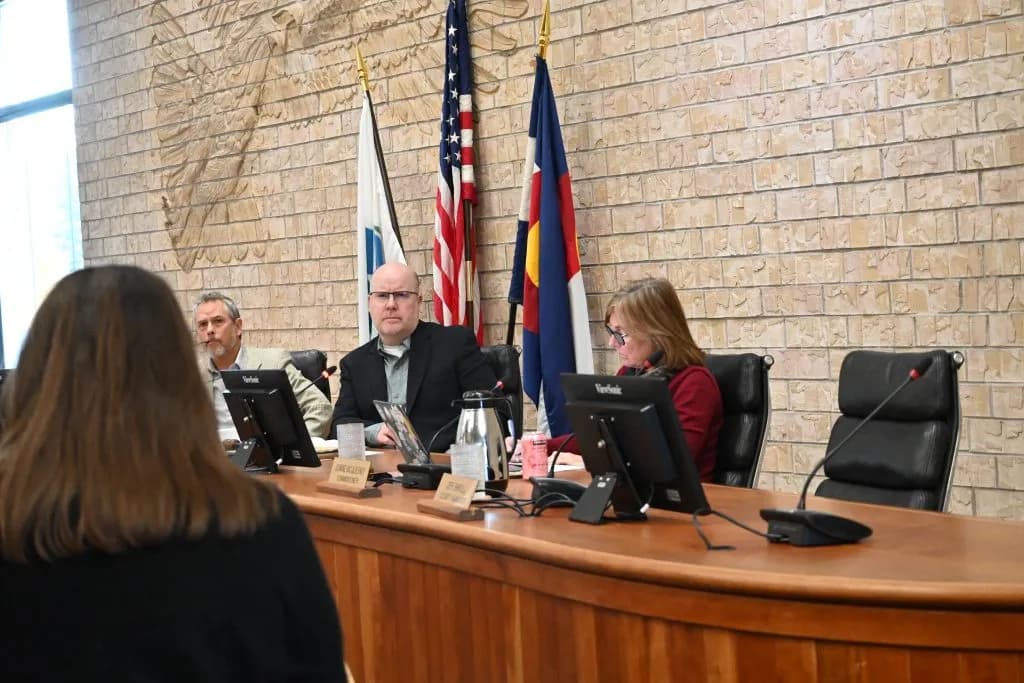
Aspen has its own version of that dynamic, though it’s dressed in different clothes. We show up to council meetings to argue about roundabouts and bike lanes. We gather at the stammtisch table to debate housing policy. Woolley assumes that’s how communities work, and for a long time, she was right. But the ease with which we accept top-down decisions — whether from city hall, county commissioners, or state legislators, is a quiet erosion of that same agency. When we stop arguing about the lock combinations on our own doors, we become lao bai xing.
Let’s do the math on civic engagement. It costs nothing to attend a meeting. It takes 45 minutes of your evening. But if you don’t show up, the decision is made for you by people who may not live on your street. The cost isn’t monetary; it’s the loss of voice.
Woolley came home to Aspen because she knew how rare and fragile that participation really is. She spent a decade learning what happens when you stop showing up. The wind off the river doesn’t care about your political affiliation or your equity stake in a local business. It just blows. The question is whether the people standing in it are still arguing about where the bike lane goes, or if they’ve just shrugged and called themselves lao bai xing.
Keep up with Aspen
The day's Western Slope news, one email each morning. Free.