Aspen Teacher Frames Son's Opioid Death As Trimesters Of Grief
Aspen native Katie Rizzo reframes her son's opioid death using a pregnancy trimester model. Her memoir treats grief as a persistent companion rather than a problem solved by time.
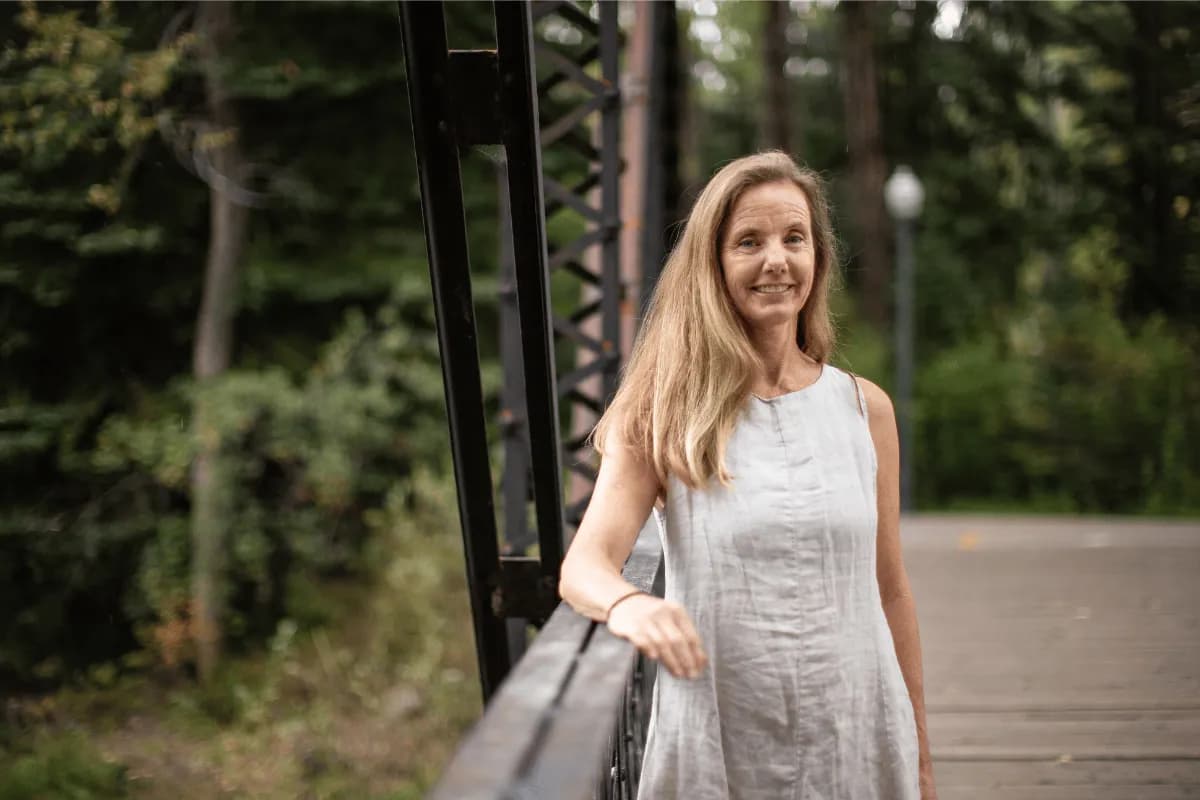
Aspen —Katie Rizzo’s son, Nicholas, died from opioid addiction in 2024.
The loss was so total that the Aspen native and former high school teacher found herself unable to eat, plagued by brain fog, and exhausted in a way that defied sleep. She turned to journaling, a practice she admitted she hated, because every grief counselor and support group insisted it was the only way forward. The writing didn’t erase the pain, but it organized it. One journal split into two: one for her own shifting sense of self, the other for poems addressed directly to Nicholas.
Rizzo, who holds a master’s degree from Yale and an MSII from the University of Colorado Anschutz School of Medicine, began to notice a pattern in her physical and emotional state. The symptoms mirrored those of pregnancy. In the beginning, there was nausea and fatigue. Then came a quiet period where everyone around her seemed to move on, while the grief continued to grow internally. Finally, she decided the world needed to know her loss, telling everyone even though she wasn’t "showing" physically.
The parallels felt cruel but also comforting, according to Rizzo. She noted that mothers carry the cells of their children in their bodies long after delivery, suggesting a embodied connection between birth and death.
Rizzo now lives in Arizona with her husband and their two dogs, though she was born and raised in Aspen. Her short stories have appeared in literary journals and anthologies, and she spent over 15 years teaching at her local public high school before the family’s move.
The framework of "trimesters of grief" allowed her to reframe a process she previously viewed through the lens of time and letting go. For years, Rizzo believed that time healed all wounds. That belief shifted after she read an article by musician Nick Cave, who described having to ask grief to leave his body. Rizzo began imagining her grief as a small orangutan sitting beside her. If the orangutan was calm, it didn’t mean it had left; if it was wildly angry, she could sit with it and try to understand what it needed to find peace.
This perspective challenged the notion that life returns to its previous state after a tragedy. Rizzo cited actor Billy Bob Thornton, who said that at any one time he is 50% happy and 50% sad ever since losing his brother. She related to that split existence, acknowledging that life is never going to be the same.
The experience culminated in a book that functions as both memoir and self-help, a two-pronged approach that emerged from the writing process itself. Rizzo’s work has been featured in SunLit, a series by The Colorado Sun and Colorado Humanities & Center for the Book that highlights excerpts from Colorado books and interviews with their authors.
Rizzo’s journey underscores a shift in how she views healing: not as a linear path to wholeness, but as an ongoing negotiation with a presence that remains. The orangutan sits beside her, sometimes angry, sometimes calm, always there.
Keep up with Aspen
The day's Western Slope news, one email each morning. Free.