Aspen Wolves Film Panel Tests Predator Management
A Jeff Bridges documentary premieres in Aspen with a panel of ranchers and ecologists debating how wolf reintroduction will reshape local land management policies.
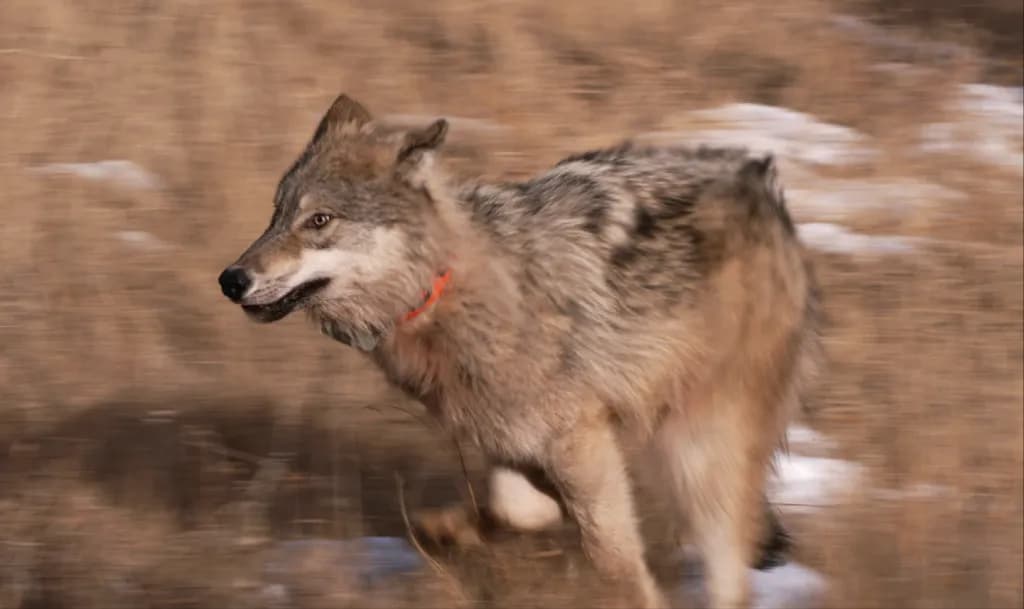
Aspen —Does a two-hour documentary about wolves actually change how we manage our land, or is it just another expensive ticket to a theater in Aspen?
The Colorado premiere of “In The Company of Wolves: An American Journey” hits the Wheeler Opera House at 7 p.m. on Oct. 15. For context, that’s a $30 to $50 ticket price for most seats, depending on the section. You’re paying for a film narrated by Jeff Bridges and directed by Susan Kucera, her third collaboration with the actor. Two of their previous projects were partially filmed right here in Aspen.
The film spans more than 200 years, tracing wolves from England to the American West. Bridges told The Aspen Times that the movie “starts out with wolves, but becomes a much bigger story about America, its history and what future we choose to leave behind.” He noted that the recent reintroduction of wolves to Colorado brings that question into the present. It’s a lofty premise for a local screening, but the real value isn’t in the history lesson. It’s in what happens after the credits roll.
The Post Independent reported that following the screening, a panel will tackle the harder question: how people, working landscapes, and wildlife can coexist. This is where the bureaucratic jargon usually kicks in, but Kucera tries to strip it down. She said, “All these people share these landscapes and everything is so polarized and it doesn’t actually need to be.” She’s confident she found ground for better dialogue.
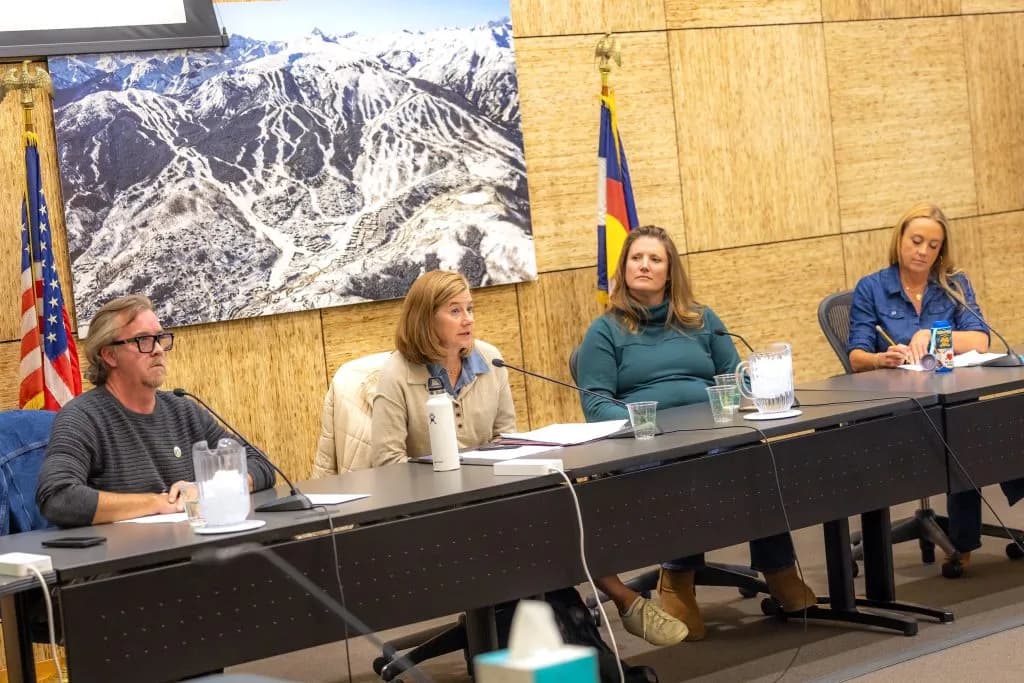
Let’s look at who is actually sitting on that panel. It includes Kucera; Eric Washburn, a fifth-generation Coloradan, ecologist, and hunter; Cristina Eisenberg, a Native American ecologist and wolf expert; Delaney Rudy, a conservation advocate for the Western Watersheds Project; Mark Harvey, Aspen Journalism board president and a Colorado rancher; and Tony Vagneur, a local rancher and Aspen Times columnist. Rudy and Harvey also appear in the film itself.
On paper, that’s a balanced mix of ranchers and conservationists. In practice, these are the same voices that have been arguing over predator management in this valley for decades. The film features members of the Eastern Shoshone Tribe and the Crow Nation, as well as author Michelle Paver. Kucera said she included the bridging from England to the New World to show how interactions between wild and domesticated animals shaped our nation.
James Swift, founder of Rangeland, inspired the project. Kucera said a rancher thanked her for the film and that wolf conservationists have responded positively. She’s betting that shared frustration with polarization is enough to get people talking.
For folks around here, the practical impact isn’t about square footage or infrastructure projects. It’s about whether this event moves the needle on policy discussions that affect your property taxes and your ability to graze cattle or hunt. If the panel stays in the realm of “it’s challenging, but it can be done,” you’ll have spent your evening and your ticket money for a feel-good narrative. If it produces specific, actionable frameworks for coexistence, it’s worth the trip to Aspen.
The film premiered at the Cannes Film Festival on May 15, 2026. It’s a big production with an A-list narrator and a global historical scope. But for the neighbors in Glenwood Springs, Roaring Fork, or Aspen, the only number that matters is whether this screening leads to concrete changes in how we manage predators on public and private land. The history is interesting. The future is what costs us money.
Keep up with Aspen
The day's Western Slope news, one email each morning. Free.