Aspen's 1886 Dog Tax Ordinance and Brass Tag Enforcement
Aspen imposed a $3 dog tax and brass tag requirement in 1886, authorizing officers to shoot unlicensed or vicious animals to clear congested sidewalks and prevent rabies outbreaks.
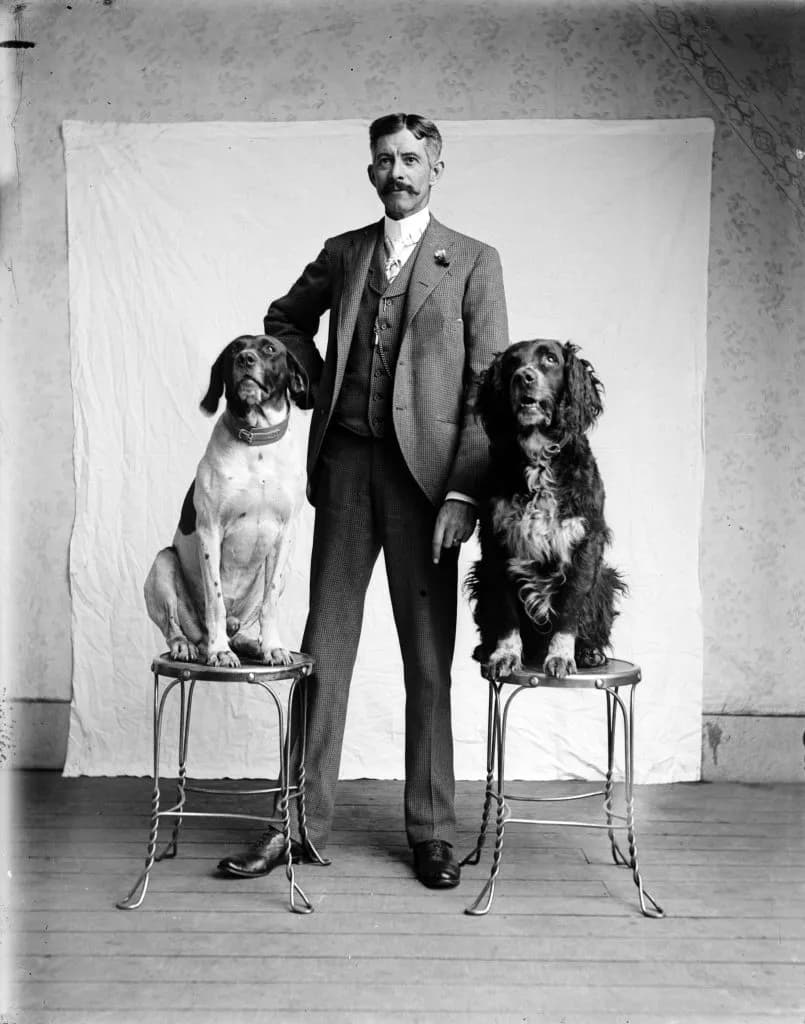
Aspen —The Aspen sidewalks in 1886 were not places for leisurely strolls. They were minefields of fur, noise, and potential rabies. A man walking down Mill Street could get kicked by a dog, or he could kick one and receive a verbal beating from the owner that left him feeling worse than the animal. The city was trying to fix this, and it was doing so with a brass tag and a loaded gun.
The short version: Aspen’s transition to indoor pet culture happened in the 1880s, and it was messy.
According to the Aspen Times, the city marshal began collecting a dog tax in 1885. The warning was blunt. Those owning favorite canines would do well to pay the tax if they did not want their pet poodles shot. The police followed up by ridding the city of the numerous dogs that abounded Aspen. They hoped to thin them out enough so a pedestrian could walk along the sidewalks without tumbling over dogs that were too lazy to get out of the way.
The city codified this frustration in 1886 ordinances. The dog license fee was set at $3 for male dogs, which translates to roughly $80 in today’s dollars. Female dogs cost double that amount. Owners received a brass tag to attach to their animals. The city also defined what constituted a "vicious dog." It was any dog that bit people on the streets or public places, or ran at and lunged at horses being ridden or driven.
The enforcement was swift and often fatal. A police officer shot a dog belonging to Gene Campbell because it was "raving mad" and tearing up small trees. The animal attracted attention, so the officer ended it.
Injuries were common. Mr. Peare’s daughter Stella was severely bitten by a dog owned by S.G. Collings. The newspaper did not report what happened to the dog, but Dr. Robinson was called to dress Stella’s wound. The community’s greatest fear materialized in a report titled "Mad Dog Scare." An ugly yellow dog entered Mr. Al Hopely’s lawn on Hopkins and tore through the flower beds. Its appearance suggested a bad case of rabies. Police administered medicine pills that quieted the dog, and then it died. They moved the carcass to the street to await the city undertaker.
Make no mistake, this was a shift in how Aspen viewed its animals. In the earliest years of the town, dogs were common, but newspaper reports on them were disapproving. By 1886, the culture was pivoting toward keeping dogs inside. Advertising by C.A. Roberts and Company hardware store shows house pets taking hold. The store sold dog tags and bird cages. Near Christmas, it listed skates and roller skates alongside pet items in its gift suggestions.
The paper’s tone was not always serious. In one 1886 account, a man kicked a dog on Mill Street. The woman who owned the canine gave the man a tongue lashing that made him feel worse than the dog felt. The Times reported it with a sense of humor, acknowledging the absurdity of the situation.
The broader context is stark. There are around 78,000,000 pet dogs in the U.S. today. Indoor pets were not common until the 1800s. The growth was rapid in the 1880s, accompanied by a boom in businesses selling pet products. There were even cases of dogs being stolen and ransomed.
Aspen’s early approach to dog ownership was less about companionship and more about public order. The city wanted clean sidewalks, safe horses, and no rabies scares on Hopkins Street. The $3 fee was a line in the sand. If you wanted to keep your dog, you paid the city and accepted the risk that a police officer might decide your pet was too lazy or too mad to keep.
The brass tag is the artifact of that era. It marked the dog as property, but also as a liability. The city was not asking for your permission to regulate your home life; it was demanding it.
What the 1886 reports do not say is how many dogs were actually shot versus licensed. They note the police began the work of thinning them out, but they do not provide a final count. They note the undertaker collected dead animals from the street, but they do not detail where those bodies went. The gap between the official ordinance and the reality on Mill Street is where the story lives.
The transition to indoor pets was not a gentle evolution. It was a collision between a growing town and the animals that lived in its streets. The city won by making outdoor dogs expensive, dangerous, or dead.
Keep up with Aspen
The day's Western Slope news, one email each morning. Free.