BLM Lease Sale Generates $35.26 Million Across Western Slope
The Bureau of Land Management's recent lease sale generated over $35.26 million from 147 parcels across nine Western Slope counties, raising questions about subsurface drilling impacts on critical wildlife habitats like the Tuttle Ranch.
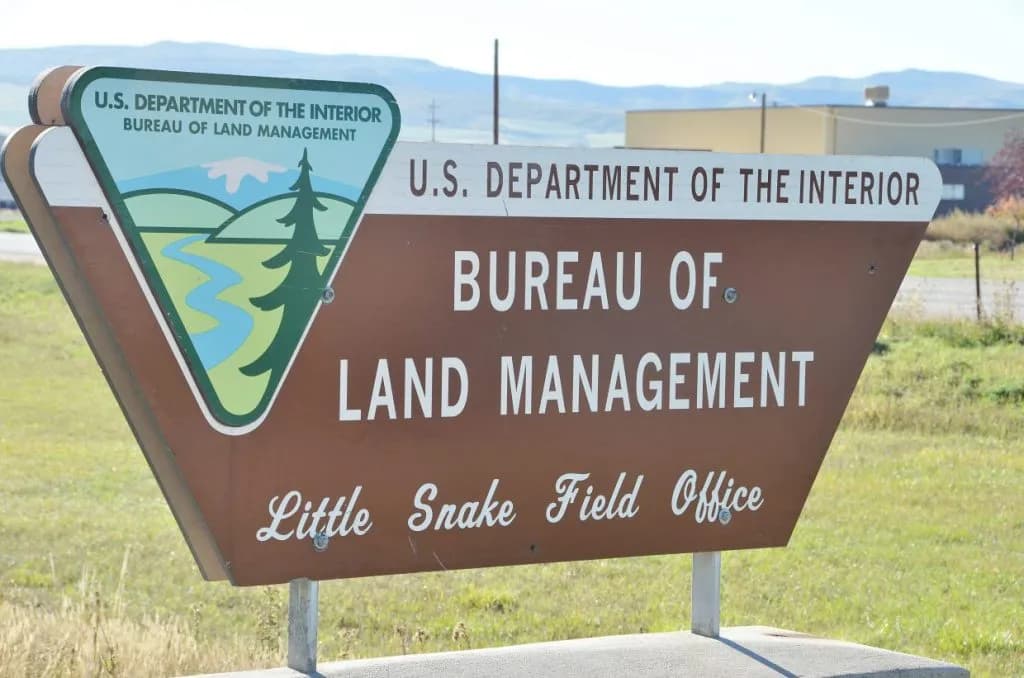
Grand Junction —Have you ever stood on a ridge in the high country and wondered if the hum you hear is the wind moving through the pines, or the distant, rhythmic thump of a pump jack working the earth below? That tension between the quiet we cherish and the industry that demands access is the heartbeat of this week’s news from the Bureau of Land Management. On Tuesday, the federal agency held one of its largest energy lease sales in recent memory, offering up 170 parcels across nine Western Slope counties, and the local impact is already measurable in both acreage and dollars.
The numbers tell a clear story of expansion. The sale generated over $35.26 million from 147 parcels, covering a staggering 134,173 acres in Arapahoe, Garfield, Jackson, Mesa, Moffat, Rio Blanco, Routt, and Weld counties. Sixteen different entities walked away with leases, securing rights to the subsurface wealth beneath our feet. This isn’t just a federal transaction happening in Washington; it’s a shift in how we manage the land we live on, driven by a new political era and a specific legislative push to "unleash American energy."
If you look closely at the financial mechanics, the incentives have changed. The federal tax bill reduced the royalty rate for new federal onshore production to a minimum of 12.5%, a drop from the 16.67% rate set by the Inflation Reduction Act under former President Joe Biden. That 4.17 percentage point difference might seem small on a spreadsheet, but it adds up when you’re drilling thousands of feet down. It’s a deliberate move to spur activity, and the results are showing. Including this June sale, the four lease sales conducted in Colorado under the Trump administration have resulted in the leasing of 266 parcels, spanning over 215,000 acres and amassing nearly $54.94 million. Compare that to the pre-2025 era, where the Colorado BLM office held just one sale in 2024 for a single 120-acre parcel in Weld County, and you can feel the acceleration.
But the money isn't the only thing moving. The conflict between extraction and conservation is playing out in real-time, and it’s messy. Ten of the leases offered on Tuesday were protested by Colorado Parks and Wildlife, a agency that argues development would interfere with critical conservation easements. The BLM denied these protests, pointing out that conservation easements do not preclude the work when subsurface mineral rights are severed from surface ownership. In other words, you can own the land, but if the minerals belong to the state or the feds, they can drill under your garden.
Consider the Tuttle Ranch State Habitat Area in Moffhat County. Seven of the parcels sold overlapped with an easement the agency acquired in 2012 specifically to protect greater sage grouse, elk, mule deer, and pronghorn. Nearby, in Mesa County, a parcel overlapped with the Hawxhurst Ranch State Habitat Area, another critical zone for big game and cutthroat trout. The BLM argues that leasing itself doesn’t authorize drilling — further review is required — but the threat is immediate. The leases are awarded for a term of 10 years or longer if the wells continue to produce, meaning the clock is ticking on those habitats.
The proceeds from this sale will be distributed between the federal and Colorado state governments, a reminder that this isn't just about energy independence; it's about revenue streams that fund schools, roads, and parks. Yet, as the leases are signed and the acres are claimed, the question remains for locals: are we comfortable with the idea that the ground beneath the sage grouse is now a commodity? The leases are sold, the money is counted, and the drilling permits will follow. The silence of the high country is about to be tested again.
Keep up with Grand Junction
The day's Western Slope news, one email each morning. Free.
Grand Junction Rotary Delivers $14,000 in School Supplies to District 51

Aspen Giving Network Distributes $887K to 34 Nonprofits