BLM Proposes Oil Lease Sale on Roan Plateau
The U.S. Bureau of Land Management proposes leasing 126,000 acres on the Roan Plateau for oil and gas, reversing a 2016 protection plan and threatening wildlife habitats near De Beque.
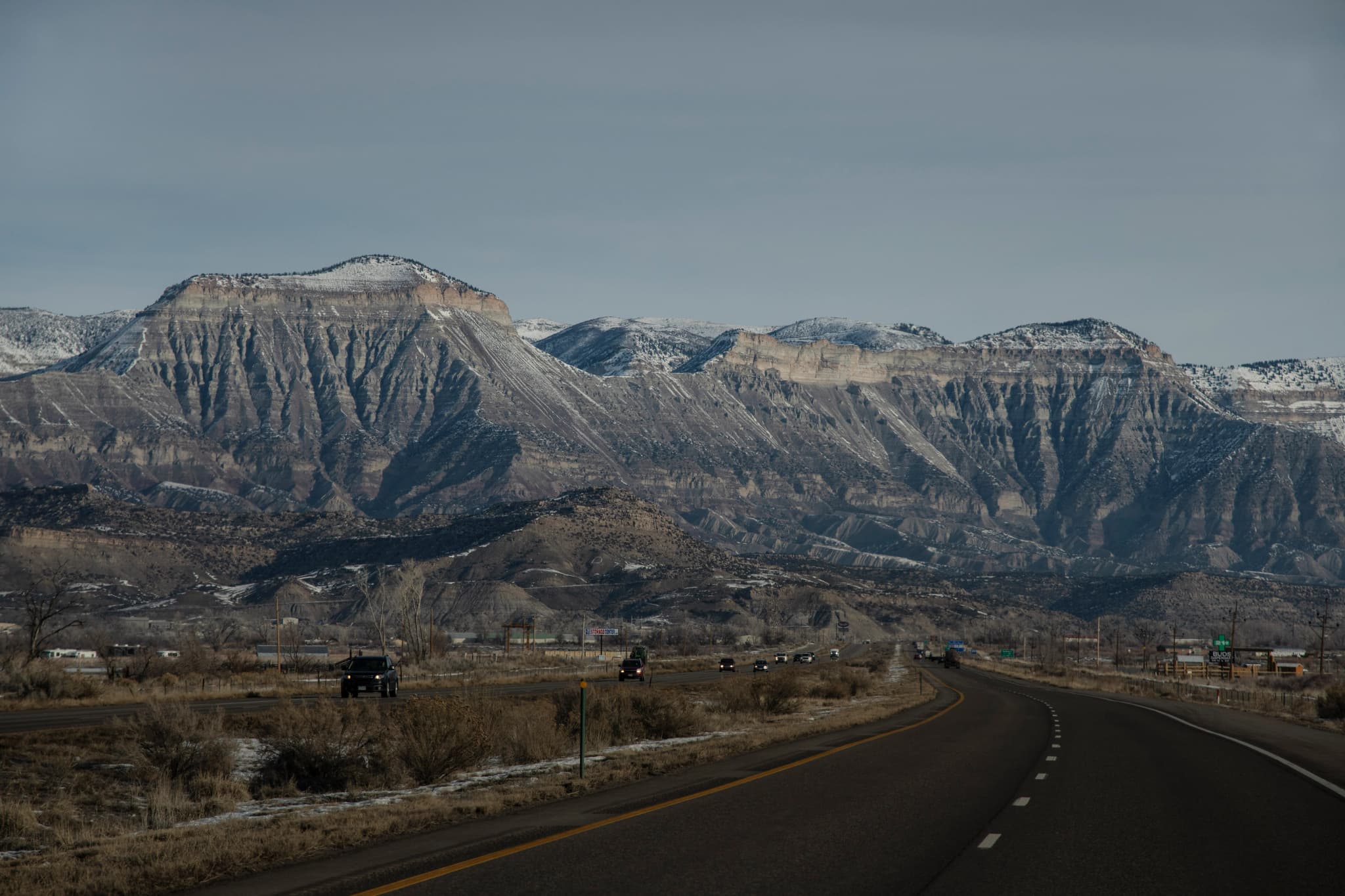
Grand Junction —Do you remember the smell of the air on the Roan Plateau in late summer? It’s a specific, heavy scent — juniper resin mixing with the damp earth of mountain meadows, the kind of quiet that settles over a landscape when the mule deer are grazing low in the aspen stands. For decades, that silence was protected. Now, the U.S. Bureau of Land Management is proposing to break it.
The question locals have been asking since the Trump administration signaled its intent is simple: why undo nine years of peace? The answer lies in a proposed lease sale for 114 parcels covering 126,744 acres, including six specific parcels totaling 5,000 acres directly on the plateau itself. This isn’t a vague future possibility; it’s a concrete plan with a December sale date, and the agency has opened a 30-day window for public input. You can feel the tension in the move, a reversal of the 2016 agreement that had preserved this iconic Western Slope mesa from the industrial noise of drilling.
The history here is layered, much like the geology of the mesa itself, which rises more than 3,000 feet above the Colorado River Valley. In 2007, the BLM first proposed leasing these lands, sparking immediate protests. They went ahead with an auction in August 2008, leasing 55,186 acres and raising $114 million — the most revenue ever raised in a single sale in the lower 48 states at the time. Then-Gov. Bill Ritter called it “a sad day” for Colorado. It was a moment where the economic allure of the land outweighed the ecological value, at least temporarily.
But the land fought back through the courts. A Denver District Court judge ruled in 2012 that the BLM hadn’t followed its own protocols, forcing a reset. By 2014, a settlement canceled all but two of the leases, and Denver-based Bill Barrett Corp. was reimbursed $47.6 million. The Biden administration then issued a more protective plan in 2016, effectively locking the door on widespread development. Now, the current administration is picking the lock.
If you look closely at the map, the Roan Plateau isn’t just dirt and rock. It’s a patchwork of juniper woodlands, gable oak, and Douglas fir. It’s a critical highway for wildlife, with mule deer and elk migrating to the top during the summer to escape the valley heat. The streams lacing the plateau are designated Outstanding Waters, home to a genetically pure population of Colorado River cutthroat trout. When you drill, you don’t just take the oil; you risk the water that feeds the valley below.
Jim Ramey, Colorado state director for The Wilderness Society, noted that communities have worked tirelessly for decades to defend places like the Roan Plateau, not just for the wildlife, but for the freedom to access these lands. That freedom is what’s on the line. The proposed parcels cover a significant chunk of federal land, and while the total acreage might sound abstract, the impact is visceral. It’s the difference between a landscape that breathes and one that hums with machinery.
There’s a warmth to the Roan in the autumn, a golden light that catches the aspens and turns the ridges into something almost spiritual. But that warmth is fragile. The BLM’s proposal is a gamble on energy revenue against ecological stability, a choice between the quiet of the meadow and the roar of the rig. As the public input period closes and the December sale approaches, the community will be watching, waiting to see if the protections hold or if the drilling rigs will once again loom over Interstate 70, casting long shadows over De Beque and the valley below.
Keep up with Grand Junction
The day's Western Slope news, one email each morning. Free.

Grand Junction Rotary Delivers $14,000 in School Supplies to District 51

Aspen Giving Network Distributes $887K to 34 Nonprofits