BLM sells 134,000 acres of Western Slope dirt for $35.26 million
The Bureau of Land Management sold 134,173 acres of Western Slope land for $35.26 million, sparking wildlife habitat concerns in Moffat and Mesa counties despite lower royalty rates.
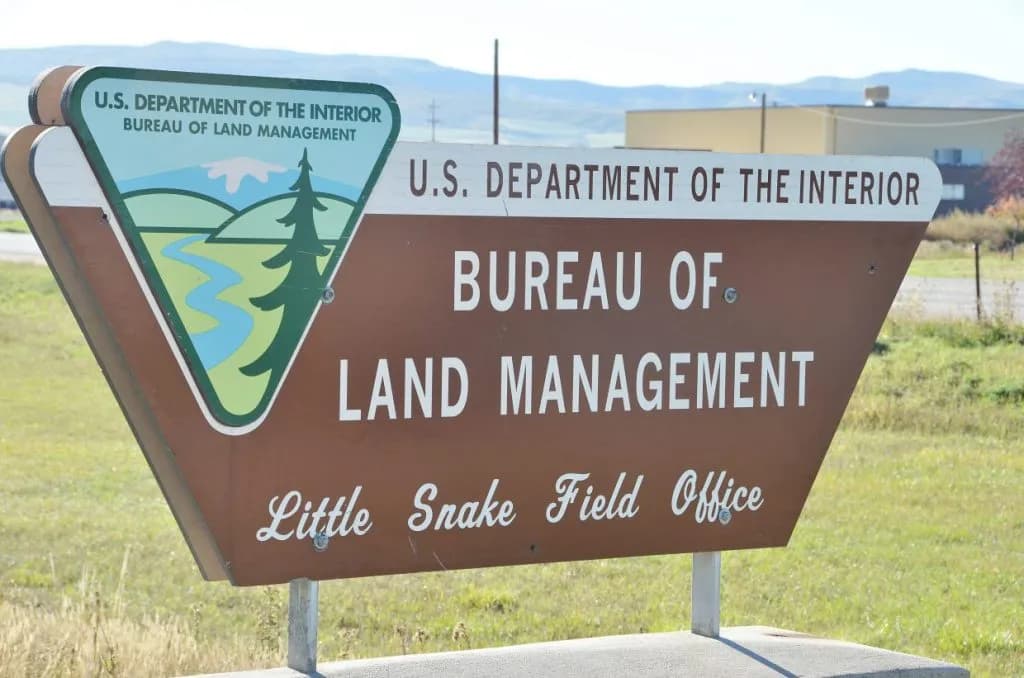
Grand Junction —The Bureau of Land Management sold dirt. Not just any dirt — 134,173 acres of it.
On Tuesday, June 16, the federal agency handed over leases for that land to 16 different entities. The price tag? $35.26 million.
It was one of the largest sales in recent memory. The parcels spanned nine counties: Arapahoe, Garfield, Jackson, Mesa, Moffat, Rio Blanco, Routt and Weld.
Locals in the Western Slope towns of Garfield, Mesa, Moffat, Rio Blanco and Routt should pay attention. That’s where the ground is being leased. That’s where the drilling permits will eventually follow.
The money flows to the federal and state governments. The leases last at least 10 years. They last longer if the wells keep producing.
This wasn’t a random event. It was the fourth sale under the new presidential administration. President Donald Trump’s day-one executive order promised to “unleash American energy.” The One Big Beautiful Bill Act helped clear the path.
A federal tax bill cut the royalty rate for new onshore production to a minimum of 12.5%. It used to be 16.67% under the Inflation Reduction Act. Lower costs mean more drilling. That’s the logic.
The math is stark. These four sales have leased 266 parcels. That’s over 215,000 acres. The total haul is nearly $54.94 million.
Compare that to the recent past. In 2024, the Colorado BLM office held just one sale. A single 120-acre parcel in Weld County. Before that, three parcels in a 2022 sale. And 32 parcels in December 2020.
The shift is abrupt. The scale is massive.
But the land isn’t empty. It’s protected in places.
Colorado Parks and Wildlife protested ten of the leases sold on Tuesday. They didn’t just mumble. They filed formal objections during the public comment period.
Their argument was specific. Oil and gas development would interfere with conservation easements. It would hurt wildlife.
The BLM denied the protests. Their reasoning? Conservation easements don’t stop drilling when subsurface mineral rights are severed from surface ownership.
It’s a technical distinction, but it matters. Leasing doesn’t authorize drilling. It just gives companies the right to try. Further review is needed before permits are issued.
The wildlife agency has concrete examples.
In Moffat County, seven parcels overlapped with the Tuttle Ranch State Habitat Area. The agency acquired this land in 2012. It’s meant to protect greater sage-grouse, elk, mule deer and pronghorn.
In Mesa County, one parcel overlapped with the Hawxhurst Ranch State Habitat Area. That easement protects big game and cutthroat trout.
So, you have sage-grouse and cutthroat trout sharing space with potential well pads. The BLM says the subsurface rights are separate. The wildlife agency says the surface impact will be real.
The short version: The federal government wants the revenue. The state wildlife agency wants to protect the habitat. They are both looking at the same map, but they’re seeing different things.
The leases are sold. The money is collected. Now comes the hard part — figuring out where the rigs actually go.
Read that again. The leases are sold. Drilling isn’t guaranteed. But the window is open.
For folks in Moffat and Mesa counties, the question isn’t if the land is valuable. It’s whether the wildlife can survive the extraction.
The BLM says leasing doesn’t equal drilling. But history suggests otherwise. Once the permits are in hand, the machinery usually follows.
The royalty rate is lower. The pressure to produce is higher. The land is already leased.
Neighbors along the Western Slope will watch the next step closely.
Keep up with Grand Junction
The day's Western Slope news, one email each morning. Free.
Grand Junction Rotary Delivers $14,000 in School Supplies to District 51

Aspen Giving Network Distributes $887K to 34 Nonprofits