BLM Sells 68 Western Slope Oil and Gas Leases for $8.1 Million
The Bureau of Land Management sold 68 parcels across nine Western Slope counties for $8.1 million in its largest quarterly sale since 2020, driven by lower royalty rates and new federal policies.
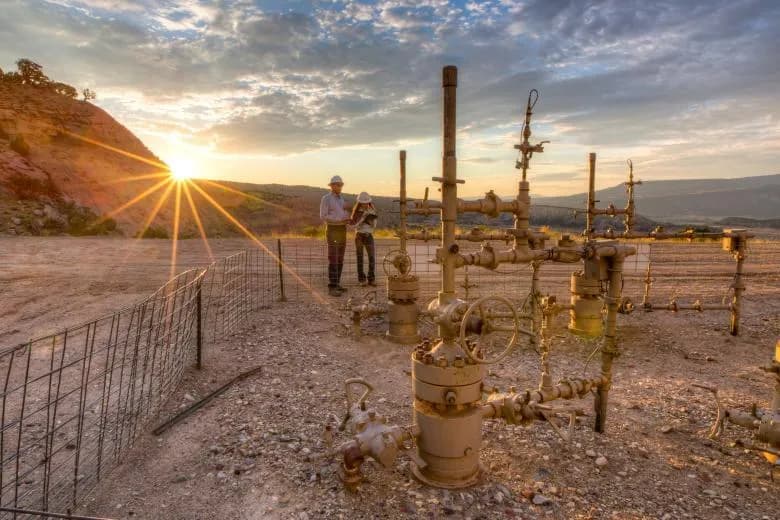
Steamboat Springs —The wind off the Uncompahgre Plateau doesn’t care about lease parcels. It just howls through the juniper, cold and relentless, indifferent to whether the ground beneath it is designated for drilling or left for the elk. But inside the federal records, the ground has a price tag. And in March, that price tag hit $8.1 million.
That’s not a rounding error. That’s the kind of money that keeps local infrastructure from crumbling and funds the schools where your kids learn to read. The Bureau of Land Management just wrapped its largest quarterly oil and gas lease sale in Colorado since 2020, handing over 68 parcels to ten different entities. The total acreage? Over 42,500 square miles of dirt, rock, and potential energy across the Western Slope and beyond.
Here’s the thing though: the money isn’t just appearing out of thin air. It’s the result of a policy shift that’s already reshaping how we view our public lands. This was the third sale under the new presidential administration, riding the coattails of the "One Big Beautiful Bill Act" and President Donald Trump’s day-one executive order to “unleash American energy.” The federal tax bill cut the royalty rate for new onshore production to a minimum of 12.5%, down from the 16.67% set by Joe Biden’s Inflation Reduction Act. They did it to spur activity. And judging by the $8.1 million haul, they got it.
The parcels spanned nine counties. Weld got seven. Arapahoe got one. Jackson County, that deep northwestern pocket, took 14. But it was Garfield and Mesa counties that really felt the weight of the sale, with 19 and 16 parcels respectively. Rio Blanco got eight. And two parcels straddled the line between Delta and Gunnison, sitting right in the heart of the Roaring Fork Valley’s energy footprint.
It wasn’t a free-for-all, though. The bureau offered 90 parcels total. They started with 103 in the initial environmental assessment, but whittled it down. Why? Because people talked. Over 113 comments poured in from everyone — governmental entities, environmental groups, industry players, and private folks who just wanted to know why their backyard was up for grabs. The concerns were familiar. Air pollution. Climate impacts. Water resources. Sensitive wildlife. It’s the same debate we’ve had for decades, just with a different royalty rate attached to the outcome.
The leases themselves are long-term bets. Ten years minimum, or longer if the wells keep flowing. That’s a decade of trucks on gravel roads, of pumps humming at night, of royalties flowing back to the federal and state governments. The next sale is already scheduled for June. Public comment ended in March, and the proposal is even bigger this time: 174 parcels across Garfield, Mesa, Jackson, Routt, Moffat, Arapahoe, Weld, and Rio Blanco. Another scoping period for 31 parcels in September ends April 13.
Picture this: a truck driver in Rifle pulling off the highway, checking his phone for lease updates, knowing that the land he’s driving over might soon be dotted with wellheads. It’s not just a statistic in a Washington press release. It’s your commute. It’s your property tax base. It’s the air quality index you check every morning.
The previous administration’s sales were smaller. A September 2025 sale brought in $6.7 million for 14 parcels. December generated $4.8 million for 37. January offered 23 parcels for over 20,000 acres, but nobody bid. Silence. Now, the silence is broken. The leases are signed. The money is counted. And the drilling permits are waiting to be issued.
The rhythm of the land hasn’t changed. The wind still blows. But the ledger has. And for the folks in Garfield and Mesa counties, that ledger just got a lot heavier.
Keep up with Steamboat Springs
The day's Western Slope news, one email each morning. Free.