Dry Heat and Missing Snow Plunge US Ski Visits to 10-Year Low
A record-breaking hot and dry winter caused US ski visitation to drop 9 percent to 52.6 million, the lowest level in over a decade. The Rocky Mountain West bore the brunt of the decline as poor snowpack drove skiers home, signaling a structural shift for the industry.
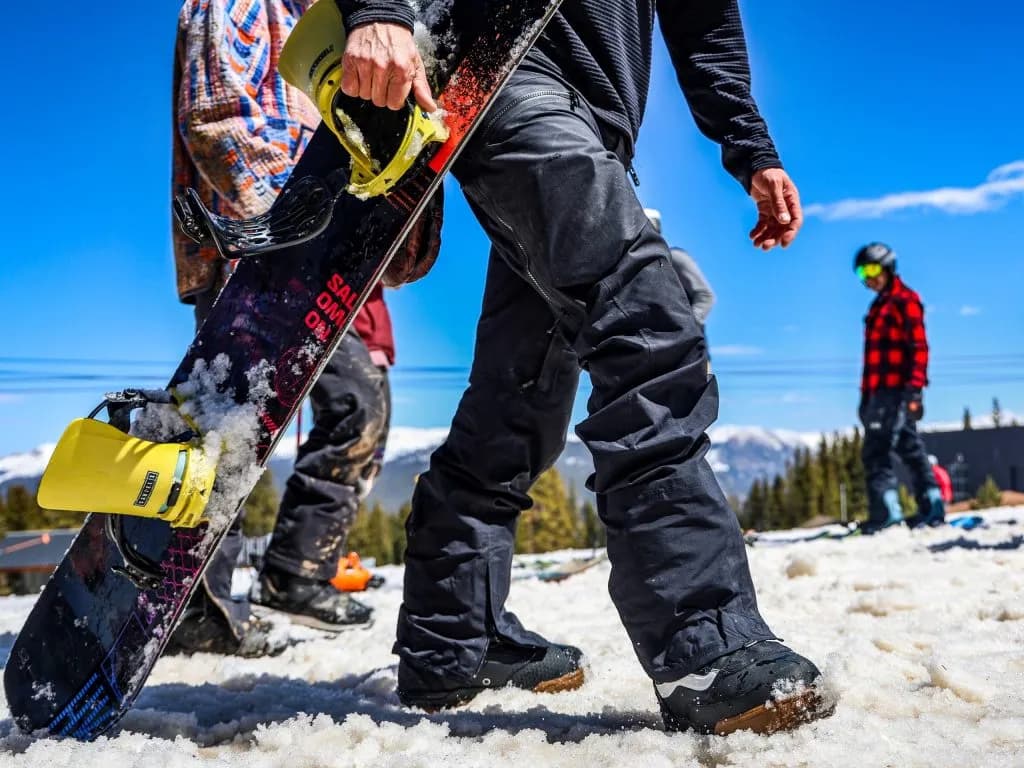
Aspen —Michael Reitzell didn’t mince words when the preliminary data hit his desk. The president and CEO of the National Ski Area Association called it a stark demonstration of dependency. “Few seasons demonstrate as clearly as this one how dependent our industry remains on regional weather patterns,” he said.
The weather didn’t just influence the season. It broke it.
Roughly 9 million fewer skiers and riders took to the slopes this past winter compared to last year. The Rocky Mountain West ate up more than two-thirds of that decline. That’s not a dip. That’s a collapse.
Locals who remember the record-breaking crowds of the 2022-23 season know the shock. That was the all-time high: 65 million visits nationwide. This season? Only about 52.6 million. It’s a 9 percent drop from the ten-year average. It’s the lowest participation in over a decade, excluding the pandemic shutdown of 2019-20.
The cause is written in the snowpack — or the lack thereof.
Vast swaths of the West experienced one of the hottest, driest winters on record. An unprecedented March heatwave hit hard. Summer-like temperatures arrived early. The snowpack melted off rapidly. Colorado and the broader Rocky Mountains, the epicenter of the nation’s ski industry, took the worst of it.
Average snowfall at ski resorts nationally totaled just 112 inches. That’s well below the ten-year average of 169 inches. But the snow wasn’t missing evenly. Regions east of the Rockies got near-to-above average snowfall. Every western region got well-below average. The dryness drove the visitation down.
Reitzell noted the specific failures in the forecast: a slow start, rain events, and that record March warmth. These weren’t minor inconveniences. They were season-killers.
Look at the history books. In the National Ski Area Association’s nearly 50 years of data, only two other seasons saw similar nosedives. Both were historic drought years: 1980-81 and 2011-12. We are back in the drought club.
The irony is thick. Interest in skiing had been surging. For four years straight after the pandemic, visitor numbers stayed above 60 million. People wanted to get out. They wanted the lift tickets. They were willing to pay for them. But you can’t ski on mud.
The 2025-26 season proves that the industry’s growth isn’t guaranteed. It’s leased from the sky. When the sky stays hot and dry, the lease expires.
This matters for folks around here. It’s not just a statistic for a trade journal. It’s about the businesses in our valleys. It’s about the employees who work the lifts. It’s about the property values tied to the resort’s health. When the snow doesn’t stick, the revenue doesn’t stick. And the layoffs start before the last chairlift spins down.
The data counts skier visits — each time an individual used a lift ticket or season pass. It’s a direct measure of foot traffic. And foot traffic is fleeing.
Read that again. The West lost more than two-thirds of the national decline. We are the epicenter. We are the problem. And we are the ones feeling the pinch.
The short version? The weather is changing. The snow is less reliable. And the industry is waking up to the fact that it can’t control the clouds. It can only hope they cooperate.
Make no mistake. This isn’t a temporary blip. It’s a structural shift. If the hot, dry pattern holds, the 65 million record stays in the past. The 52.6 million might be the new normal.
Reitzell said the conditions were challenging. That’s an understatement. They were unsustainable. The question now is whether resorts will adapt their business models to a warmer world, or if they’ll keep betting on the same old snow.
The numbers don’t lie. The snow didn’t fall. The skiers stayed home.
Keep up with Aspen
The day's Western Slope news, one email each morning. Free.


The digital counter on the side of the bus in Carbondale ticks over, but the seats inside are half-empty

Eagle County Launches Aging Well Roadmap To Keep Seniors Housed