Colorado Loses 11,700 Jobs as Unemployment Drops to 4 Percent
Colorado shed 11,700 jobs last year, marking a contraction after years of growth. Unemployment fell to 4 percent as the workforce shrank, leaving employers in a holding pattern amid uncertainty.
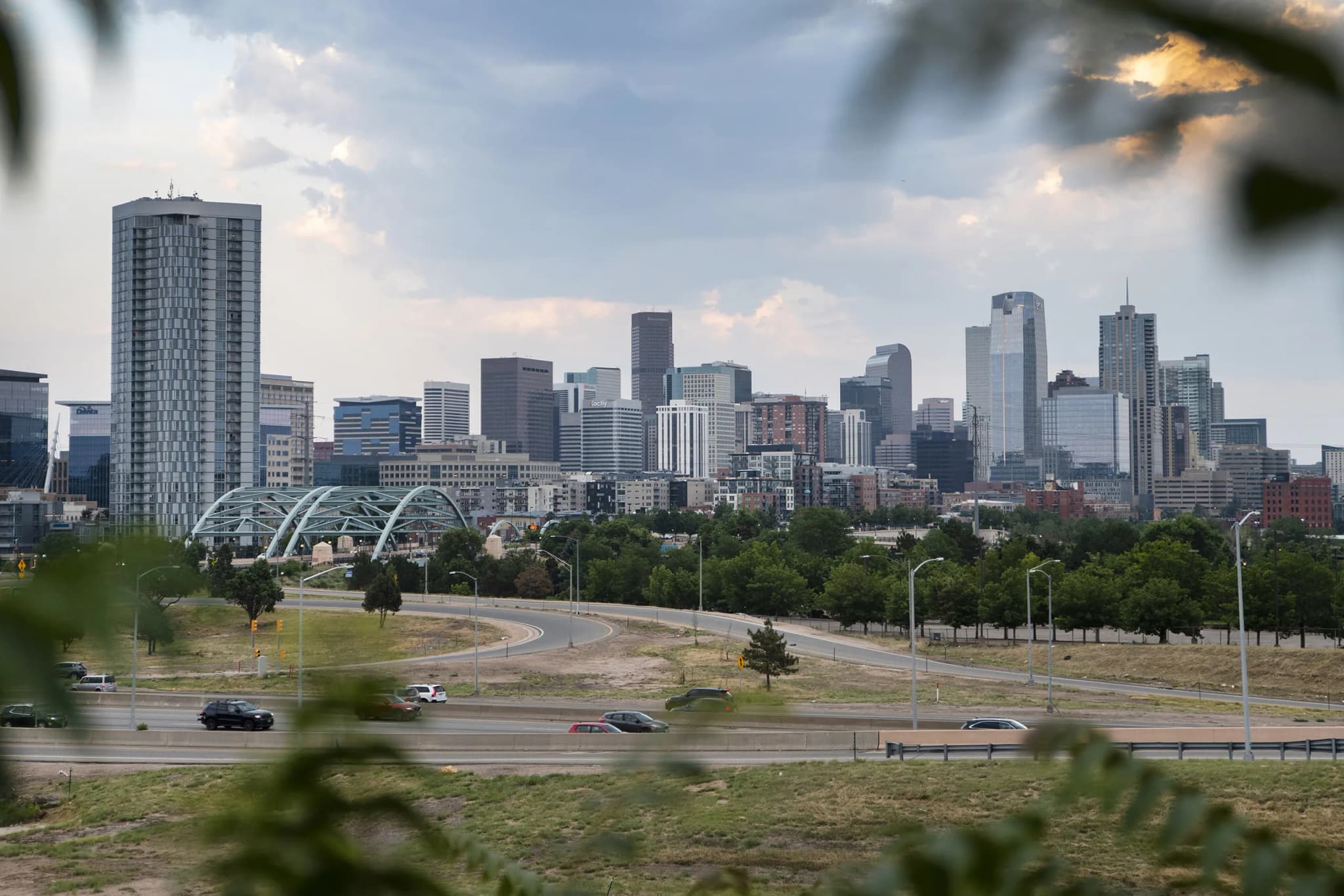
Colorado —Colorado lost 11,700 jobs last year. That’s it. The state added jobs every year since 2011, right up until the pandemic chaos of 2020. Now, for the first time since that disruption, the ledger is in the red.
The revised data released Wednesday by the state Department of Labor and Employment confirms the trend. It’s not just a blip. It’s a contraction.
Let’s do the math on what that actually means for the local economy. A negative 0.4% growth rate sounds abstract until you realize that 11,700 jobs represent a significant chunk of the workforce in towns like Grand Junction, Durango, or even just the broader Western Slope commuter belt. We’re talking about thousands of paychecks vanishing from the local circulation.
Tim Wonhof, an economist with the state’s labor department, says this isn’t entirely a Colorado story. We followed national trends. The U.S. gained 116,000 jobs last year, but that’s a 0.1% increase — barely a whisper. Meanwhile, 27 other states lost jobs. Nine of them lost more than we did.
“We’re all sitting in pretty flat-growth territory,” Wonhof said. “And that is significant.”
But here’s the kicker that locals need to pay attention to: the unemployment rate dropped to 4%, revised down from the initial 4.5%. Don’t celebrate just yet. That drop happened because the workforce itself shrank. More people stopped looking for work entirely. They retired early. They got bored. They left the market.
In January alone, the labor force shrank by 5,200 people to 3,258,800. Employment fell by 6,400 to 3,122,600. Unemployment ticked up by 1,200 to 126,300. The labor force participation rate dropped to 66.8% from 67.6% a year ago.
So, why are employers hesitant? Wonhof points to uncertainty. It’s a “low-hire, low-fire” environment. Employers aren’t ready to hire because the landscape is murky. But they don’t want to fire people either, because bringing someone new on board is expensive. They’re sitting on their hands.
If we had more certainty in the landscape, Wonhof suggests, that trend might change. But we don’t.
There is one bright spot, though. Tech and professional jobs are recovering. They’re not “going gangbusters,” as Wonhof put it, but they’re positive. This matters for us because Colorado has been bearing some of the brunt of layoffs by tech employers outside the state. If those sectors stabilize here, it could offset some of the broader losses.
Broomfield economist Gary Horvath notes this is the seventh time since 1980 that we’ve seen negative job growth. It’s a recurring pattern, not a one-off anomaly.
The reasons cited for the losses are federal government downsizing, tech industry contraction, and high tariffs. None of those are specific to Colorado. But Horvath wonders if there are local challenges we’re missing. The data doesn’t say.
The latest benchmarking revisions, which occur regularly as new data is collected by the Bureau of Labor Statistics, resulted in the number of jobs in Colorado being revised downward every month last year. January saw a gain of 6,600 jobs, but that number will be revised again and again.
The bottom line? We’re in a holding pattern. Employers are waiting for the fog to lift. Until then, the number of working-age Coloradans in the labor force is shrinking, and the jobs are disappearing. For neighbors here on the Western Slope, that means tighter job markets, slower wage growth, and a lot of uncertainty about where the next paycheck is coming from.
Keep up with Colorado
The day's Western Slope news, one email each morning. Free.


Federal Report Sets 200,000 Acre-Foot Water Conservation Target for Upper Basin

Colorado Parks and Wildlife Deploys Precision Drones for Weed Control