Vail Jazz Foundation Expands Awards to Include High Schoolers
The Vail Jazz Foundation expands its Tony G. Rising Star Awards to include high schoolers, offering a $2,000 prize and requiring self-nomination to support young musicians' transition into adulthood.
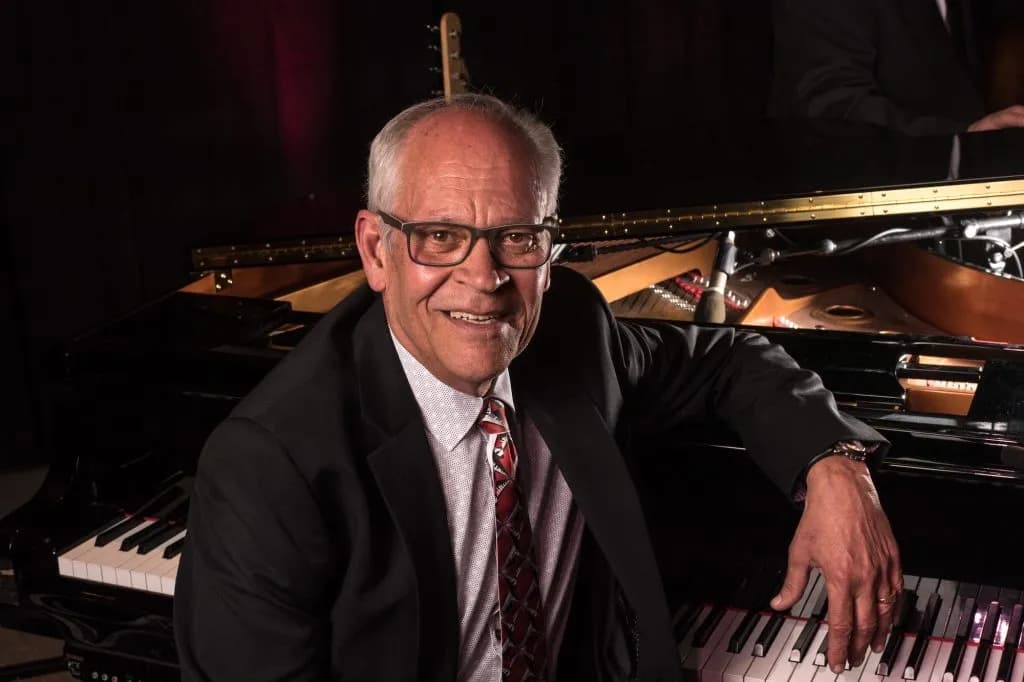
Aspen —Anneliese Swift doesn’t mince words about the transition from childhood to adulthood. High school is a "pivotal moment," she says. It’s the crossroads where a hobby either hardens into a career or fades into a memory.
That’s why the Vail Jazz Foundation just widened the net.
The Tony G. Rising Star Awards are expanding. For years, this program honored elementary and middle school musicians. It was about those formative years — when a little encouragement and a little cash can steer a kid’s life. Now, there’s a new category. High schoolers. Grades 9 through 12.
The prize is $2,000.
It’s not a lot of money for a college-bound kid. But it’s significant when you consider what it buys: sheet music, private lessons, the cost of a college audition trip. It’s a signal. The foundation is betting that these students are serious. They’re betting that music isn’t just a band class elective anymore.
The program was built to honor Tony Gulizia. He passed away in 2022. He was a musician who believed in youth. He believed in the messy, loud, beautiful process of learning jazz. The awards were his legacy. They were designed to catch kids early. To validate them. To give them access to instruments and teachers they might not otherwise afford.
This year, the foundation is adding a layer of complexity.
Elementary and middle schoolers still get nominated by their music educators. The system is top-down. Teachers pick the stars. But high school applicants? They have to apply themselves.
That’s the shift.
Swift says this reflects "increased level of artistic independence." It’s a test of personal responsibility. You can’t just wait for a teacher to fill out a form. You have to prove you’re ready. You have to show you’re committed.
The foundation isn’t doing this for the money. The $2,000 award is presented by the Vail Jazz Foundation, Discover Vail Colorado, and Alpine Bank. It’s a partnership. But the goal is clearer now. They want to know who stays. Who keeps playing when the pressure mounts. Who decides that music is a "lifelong pursuit" rather than a pastime.
The awards highlight students whose "talent, work ethic and curiosity stand out." That’s the language of the press release. But look closer. It’s about survival in the arts. Jazz isn’t a spectator sport. You don’t just watch it. You play it. You improvise. You fail. You try again.
Tony Gulizia, his brother Joey, and Michael Pujado on the bongo drum used to visit schools. They taught kids about jazz. They showed them the ropes. Now, the foundation is looking upward. They’re looking at the seniors. The ones who might be packing up for college. The ones who might be staying local.
Applications are open.
If you’re a dedicated student in the Vail Valley with a passion for music, this is your chance. You don’t need a teacher to vouch for you anymore. You just need to apply. You need to show them you’re ready to take the next step.
The short version? The foundation is growing. The awards are expanding. And the stakes are higher.
It’s worth watching. Because if this program works, we’ll see more young musicians staying in the valley. We’ll see more careers born in these classrooms. We’ll see the legacy of Tony Gulizia live on in the hands of the next generation.
If it doesn’t? Well, the money still goes out. The scholarships are still awarded. The recognition still happens. But the "pivotal moment" Swift talks about? That’s on you.
The Vail Jazz Foundation says it enriches the lives of local students. It’s a noble goal. But it’s also a business. A community investment. And right now, they’re betting on high schoolers.
Don’t miss your chance. The window is open. The $2,000 is waiting. The question is whether you’re ready to claim it.
Keep up with Aspen
The day's Western Slope news, one email each morning. Free.
The digital counter on the side of the bus in Carbondale ticks over, but the seats inside are half-empty
Eagle County Launches Aging Well Roadmap To Keep Seniors Housed