Lake Powell Faces Lowest Spring Runoff on Record as Hydropower Hangs in Balance
Federal forecasts indicate Lake Powell is receiving only 13% of its usual spring runoff, the lowest on record, threatening to halt hydropower production at Glen Canyon Dam as the reservoir drops to 23% capacity.
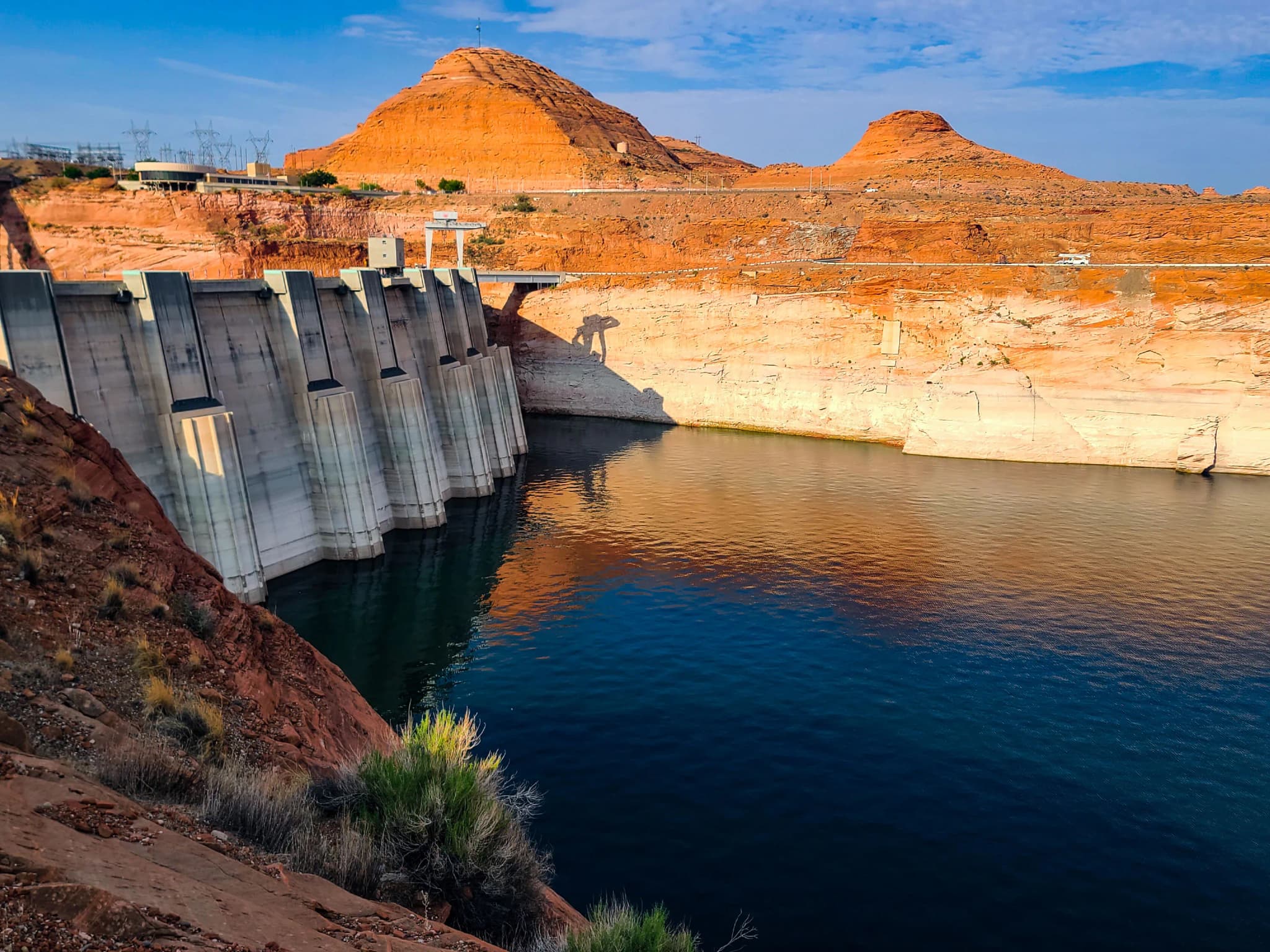
Colorado —What happens to the hum of the lights in your living room when the lake drops below the penstocks?
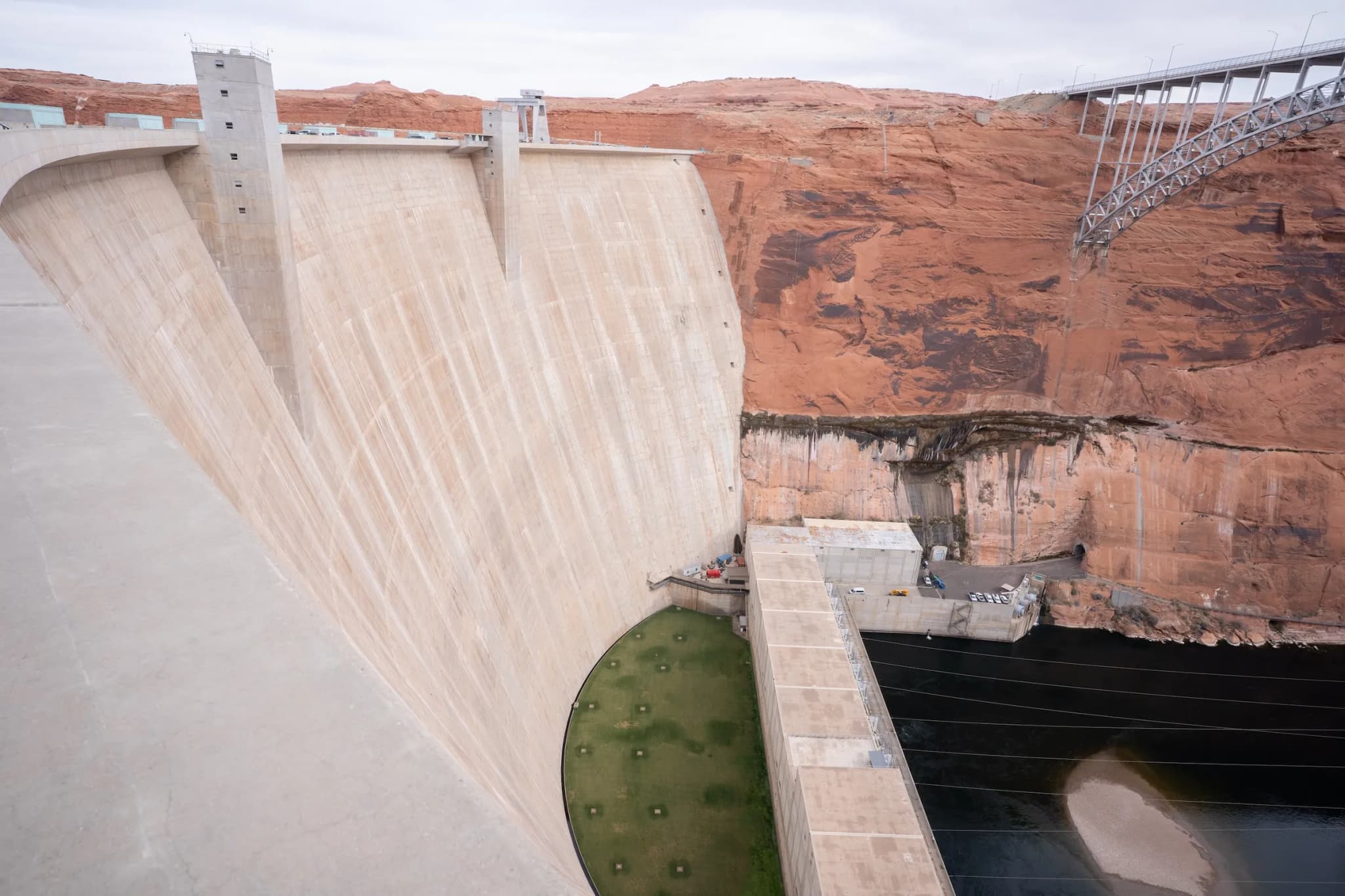
It’s a question that feels abstract until you realize the hum might stop. According to a federal forecast released Thursday, Lake Powell is set to receive just 13% of its usual spring runoff — the lowest amount of upstream snowmelt on record. The reservoir, which sits on the Utah-Arizona border and serves as the primary storage tank for the Colorado River, currently holds only 23% of its capacity. That is not a gradual decline; it is a precipitous drop toward a point of no return. If the current trajectory holds, water levels could fall below the power-generating penstocks at Glen Canyon Dam as early as this summer, effectively halting hydropower production.
Cody Moser, a forecaster with the Colorado Basin River Forecast Center, noted during a webinar that if the forecast proves accurate, it would mark the lowest April through July volume on record for the lake. The math is stark: since October 1, only about 408,000 acre-feet of water have reached the reservoir. The total expected flow for the year is roughly 800,000 acre-feet. While there is still a 50% chance that number could rise, the window for that optimism is closing with every passing day. One acre-foot equals approximately 326,000 gallons, enough to supply two to four urban households for a year. When you look at the big picture, the basin has just endured one of its worst winters on record, characterized by low snowpack, high temperatures, and a spring precipitation that simply hasn’t been enough to fill the deficits.
The implications for folks around here ripple outward from the dam. The reservoir was designed to hold about 24 million acre-feet. As of Thursday, it held just 5.6 million acre-feet. To put that in perspective, Colorado uses about 5.34 million acre-feet of water on average each year. We are looking at a storage volume barely larger than what our entire state consumes annually. This isn’t just about drought; it is about a system under twin crises: historically low water storage and stalled negotiations over how to manage the basin’s vital water supply.
The Bureau of Reclamation, which manages Glen Canyon Dam, tracks these numbers closely. They are watching the water level with the same anxiety we watch the stock market or the weather radar. The sudden snowmelt triggered by a record-breaking heat wave in March added some volume, but it wasn’t enough to change the fundamental reality. The water is gone, or rather, it hasn’t arrived in the quantities we’ve relied on for decades.
If you look closely at the map, you can see how Glen Canyon Dam holds back the massive Lake Powell. The structure is an engineering marvel, but it is also a ticking clock. When the lake drops below the penstocks, the turbines stop spinning. The kinetic energy of the falling water ceases to turn the generators. The lights don’t just dim; they go out, or at least, the reliable, cheap power generated by that falling water disappears.
The forecast doesn’t offer much comfort. It paints a picture of a basin that is running on fumes, with negotiations stalled and the physical reality of the water level becoming more certain every day. The heat wave of March melted the snow, yes, but it also accelerated the evaporation. The air was dry, the sun was relentless, and the water table receded. Now, we wait for the rest of the spring runoff to arrive, hoping it’s more than the projected 800,000 acre-feet, but the odds are stacking up against us.
The silence of a dam without power is a heavy thing. It’s not just the absence of electricity; it’s the absence of movement. The water sits still, stagnant and deep, waiting for a flow that may never come in significant quantities. It’s a quiet crisis, unfolding in the arid landscape of the West, where the only sound is the wind blowing across the dry banks of a shrinking lake.
Keep up with Colorado
The day's Western Slope news, one email each morning. Free.
Federal Report Sets 200,000 Acre-Foot Water Conservation Target for Upper Basin
Colorado Parks and Wildlife Deploys Precision Drones for Weed Control