Colorado National Monument Generates $45 Million in Local Economic Impact
Colorado National Monument generated $45 million in economic output in 2024, supporting 348 jobs. This article explores the legacy of John Otto and the role of the Colorado National Monument Association in sustaining the park's economic and historical significance.
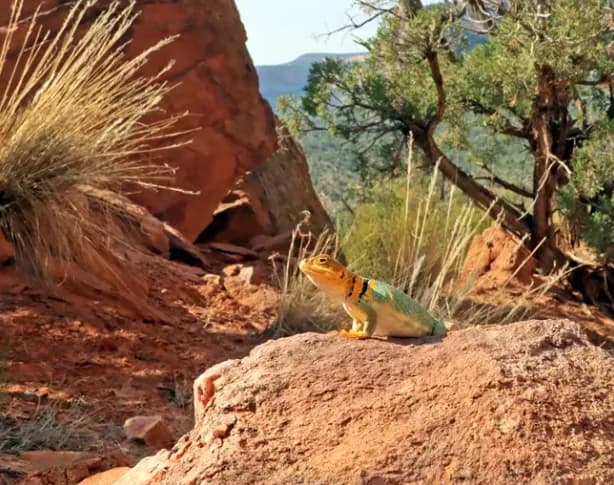
Western Slope —The air in the Red Rock Canyons carries a specific weight, a dry, dusty heat that clings to the skin long after the sun dips below the jagged peaks. It is a silence broken only by the crunch of gravel under hiking boots and the distant, rhythmic chirp of cicadas, a sound that seems to vibrate through the limestone itself. Standing on one of the trails John Otto carved into the stone with nothing but mules and determination, you can feel the persistence of the past in the very rock. The reality is more human, more stubborn, and far more personal.
Colorado is marking its 150th anniversary since being established as the Centennial State, a milestone that invites reflection on what we choose to preserve. At the center of that preservation is the Colorado National Monument, a place that has become an economic engine for the local community as much as it is a sanctuary for nature. In 2024, the monument welcomed 488,000 visitors, a number that translates to an estimated $37.1 million in local gateway regions. That is not just a statistic; that is money circulating through local businesses, supporting 348 jobs, and adding $13.8 million in labor income to the area. The total economic output reached $45 million, a figure that underscores how deeply this red-rock landscape is woven into the fabric of Western Slope life.
The existence of this economic pillar rests on the shoulders of one man: John Otto. He didn’t just visit the area; he fell in love with it, declaring the Red Rock Canyons the “heart of the world.” His advocacy was relentless. He sent numerous letters to President William Howard Taft, pushing for the area to be designated not just a national park, but a national monument. Taft, perhaps somewhat reluctantly, listened. The result was the establishment of the Colorado National Monument in 1911.
Kait Thomas, the interpretation and education program manager for the National Park Service, sees Otto’s legacy in every trail marker. “I particularly love the John Otto story because it illustrates how much one person can make a difference,” Thomas said. She recounted how Otto didn’t just observe the landscape; he engaged with it, building trails like Gold Star, Liberty Camp, and Serpents Trail, which locals and tourists still hike today. “During his first years when he was living and working in the canyons, he constructed some very popular and well-known trails... that many people hike today,” Thomas noted.
But the monument doesn’t run on history alone. It requires support, and that support comes from the Colorado National Monument Association (CNMA). Since 1964, this local nonprofit has worked to bolster the Park Service financially. Ashley Ojala, the executive director, explained that their mission is one of collaboration and shared vision. “We wouldn’t exist without the Park Service,” Ojala said. “Our sole mission is to support them financially here at Colorado National Monument, and that takes an extreme amount of collaboration, dedication, shared vision.”
The CNMA’s revenue comes largely from the bookstore at the Saddlehorn Visitor Center, a quiet hub where visitors can pause before heading back out into the heat. Ojala credited Otto’s foundational work for their very existence. “CNMA would not exist without John Otto’s work to make this a protected place and to get President Taft to maybe somewhat reluctantly create this national monument for us all to enjoy,” she said.
It is worth noting that while the economic figures are substantial, the human element is what keeps the place alive. The trails Otto built are not just paths; they are testaments to a man who refused to let the world forget this corner of Colorado. As you walk Serpents Trail, the rock walls close in, creating a narrow corridor of shadow and light. The air cools slightly, smelling of sage and ancient stone. It is a reminder that while economies fluctuate and governments change, the act of preserving beauty is a continuous, personal commitment. The monument stands not because of a decree, but because people like Otto, and the organizations that follow them, chose to stay and fight for it.
Keep up with Western Slope
The day's Western Slope news, one email each morning. Free.
NWRM CASA Honors Judge O’Hara and Founders at 15th Anniversary

Craig Hosts Only Regional Special Olympics Bowling Competition
Parachute Bike Clinic Seeks Permanent Home After 66 Free Repairs
Mudslides Strand Visitors on East Portal Road After Heavy Rain

How Western Slope Residents Can Safely Wash Produce Amid Cyclospora Outbreak