Colorado Initiative 175 Forces Voters to Choose Between Road Funding and Healthcare
Colorado Initiative 175 proposes diverting $700 million to roads, but nearly $540 million comes from the general fund, potentially cutting healthcare and education budgets.
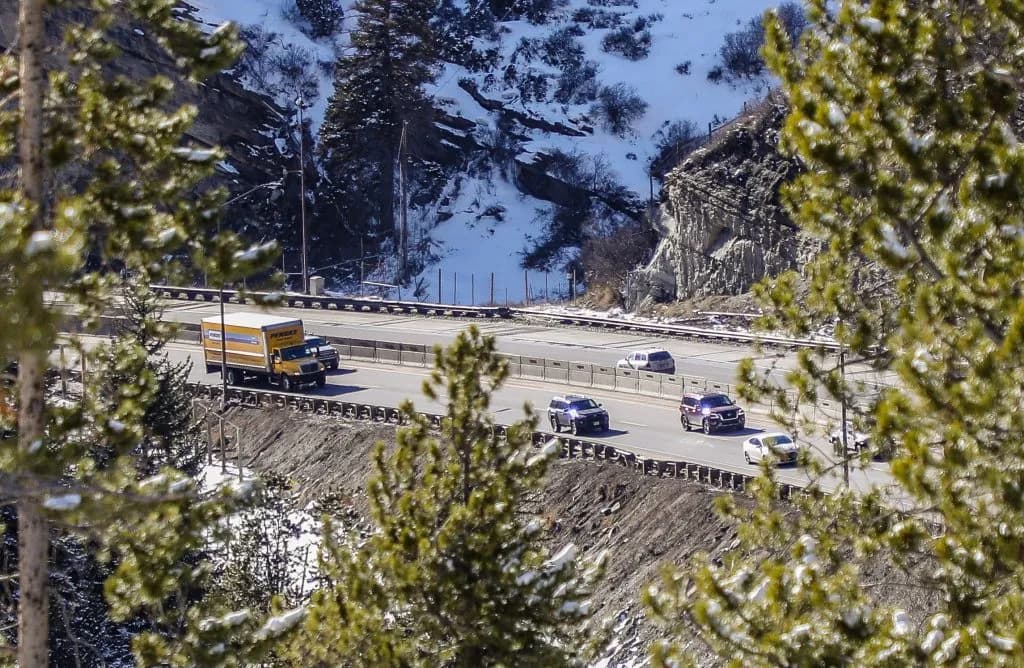
Steamboat Springs —What happens to the roads you drive on every morning if the state decides to pay for them by taking money from your local hospital or your child’s classroom?
That is the stark trade-off at the core of Initiative 175, a ballot proposal currently gathering signatures to appear on the November election ballot. The initiative, pushed by the Colorado Contractors Association, would force the state legislature to fully fund roads and bridges using the money it already collects. But here is the catch: the state has been diverting that dedicated revenue to plug budget holes elsewhere. To fix that, the initiative demands roughly $700 million annually in state funds be appropriated to road projects.
The question is where that money comes from.
According to an analysis by the nonpartisan Legislative Council Staff, the bulk of that cost — nearly $540 million — would come from the state’s general fund. That is the same pot of money that primarily supports Medicaid and K-12 education.
As the data backs that up, locals are left wondering if better potholes are worth higher taxes in other sectors.
"This is a responsible, voter-led effort to ensure sustainable funding for Colorado’s transportation network, particularly in rural and western Colorado communities that depend on safe and reliable roads for economic vitality," Club 20, a coalition of nearly two dozen Western Slope counties, said in a statement.
The group sees the initiative as a lifeline for rural infrastructure. But not everyone on the Western Slope agrees.
Routt County, the Craig Chamber of Commerce, and Counties and Commissioners Acting Together signed an April 14 letter alongside roughly three dozen other groups urging proponents to abandon the effort. Their concern isn't that roads don't need repair. It's that the cost of fixing them might be the loss of services their neighbors rely on.
"Colorado would be better served by a plan that strengthens Colorado’s transportation system without undermining critical services that support children, families and seniors across the state," the letter stated.
The fight has moved beyond rhetoric. Lawmakers are introducing legislation to neutralize the proposal if it passes. Democrats introduced House Bill 1430, designed to undercut the road funding requirement by slashing taxes and fees used to generate road revenue, such as excise taxes on gas and vehicle registration fees.
The goal is to free up more spending room for the general fund under the state’s revenue cap imposed by the Taxpayer’s Bill of Rights, or TABOR. The measure would go into effect only if the ballot initiative passes, creating a complex legislative trap.
The timing is tight. The 2026 legislative session ends on May 13. If the bill doesn't pass before then, the state could be forced to choose between honoring the voters' mandate for roads or protecting the budgets for healthcare and schools.
For folks in Delta, Montrose, and Routt counties, the decision isn't just about asphalt. It's about whether the state keeps its promise to fix the infrastructure that moves goods and people, or if it keeps its promise to fund the services that keep the population healthy and educated.
"The figures back that up," one local official noted, pointing out that $540 million is a significant chunk of the general fund. "We can't have it both ways."
The clock is ticking on whether the Colorado Contractors Association can convince voters that the pain of reduced healthcare or education funding is worth the gain in road quality. Or whether the coalition of chambers and counties will convince them that the trade-off is too steep.
As one lawmaker put it, "We are asking the voters to choose between the road under their car and the care for their parents."
Keep up with Steamboat Springs
The day's Western Slope news, one email each morning. Free.