Palisade Peach Crop Survives April Freeze with 30 Million Pounds Expected
Despite social media rumors of a total collapse, Palisade's peach crop is thriving with an estimated 30 million pounds surviving the mid-April freeze, promising an early summer harvest.

Palisade —Is your peach pie going to be a disappointment this summer, or are the social media rumors of a total crop collapse just noise?
The short answer: You’re getting peaches. A lot of them.
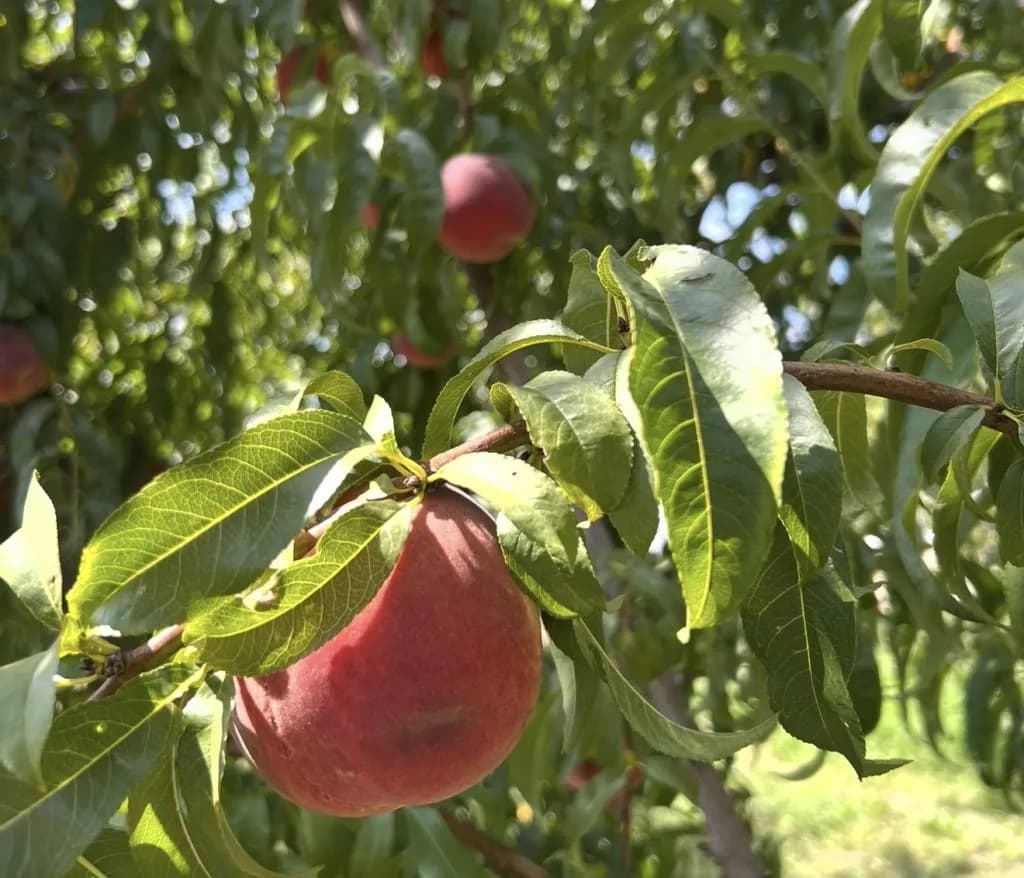
Despite the panic on local Facebook groups and the “ruined” headlines circulating since mid-April, the Grand Valley’s peach crop is holding steady. An estimated 80 to 90 percent of the peaches around Palisade survived the late April freeze. We’re looking at roughly 30 million pounds of fruit expected to hit farm stands and produce counters starting the second week of June.
That’s not a trickle. That’s a harvest.
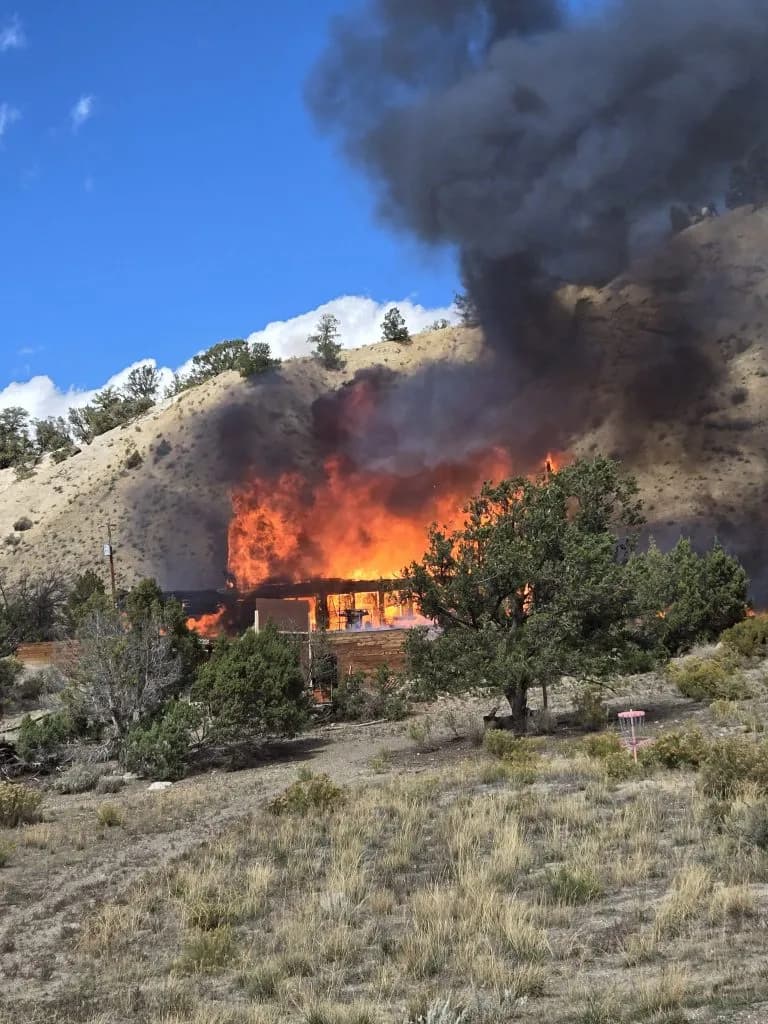
The freeze itself was real. Temperatures plunged to the mid-20s on April 17 and 18. Growers went to war with wind machines, sprinkler systems, smudge pots, and amino-calcium sprays. They bought the equipment, fired up the generators, and waited. The strategy was simple: give those budding fruits a few extra degrees of warmth. In agriculture, a few degrees is the difference between a bumper crop and a write-off.
In the North Fork Valley, the math didn’t work out. The 10 percent of Colorado’s peach crop grown there was totally wiped out. But the Grand Valley, where the bulk of production happens, fared much better.
“We’re going to have a nice crop this year,” said Kaleb Easter, operations manager for Cunningham Orchards near Palisade.
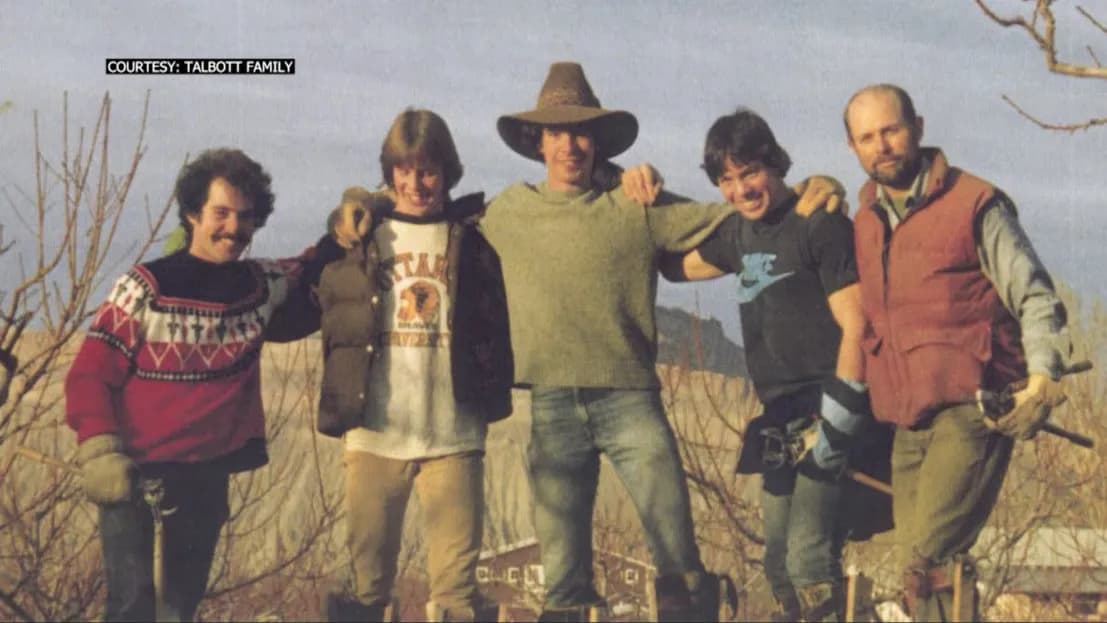
Bruce Talbott of Talbott Farms put it in even starker terms. “I would say that less than 5 percent of our crop overall was affected,” Talbott said. His operation alone manages 440 acres of peach orchards. He’s projecting around 7 million pounds of peaches for sale this summer.
The result? An early start.
Because of a warm snap in late winter, fruit is moving out of the fruitlet stage and into what you might call the teenage phase for fruit. Consumers should expect to see the first peaches hitting stands around June 7 to 10. That’s significantly earlier than normal. If you’re waiting for the traditional late-June or early-July window, you’re already behind schedule.
So why the panic?
It started with the North Fork’s total loss. When you lose 100 percent of your crop, you talk. When you lose 5 percent, you shrug. But social media doesn’t do nuance. It does urgency. The story of “Colorado’s entire peach crop wiped out” spread faster than the fruit ripens. It’s a classic case of local disaster becoming state-wide headline, even if the data says otherwise.
For context, Palisade and the North Fork are known for apples, peaches, cherries, apricots, pears, and plums. The mural in downtown Paonia celebrates that agricultural diversity. A freeze in April wiped out the peach crop there — specifically the North Fork sector. But Palisade? Palisade is still standing.
The practical impact for locals is straightforward. You will have peaches. They will be available in June. Prices might fluctuate based on supply chains from other regions, but the local supply is intact. The rumors were exaggerated. The crop is real.
Just don’t blame the freeze for your empty pie crust. Blame the algorithm.
Keep up with Palisade
The day's Western Slope news, one email each morning. Free.