Lawmakers Counter Initiative 177 to Protect Natural Gas Rights
Colorado lawmakers launch a last-minute legislative bid to counter Initiative 177, a proposed constitutional amendment that could guarantee a right to natural gas and threaten local air quality rules.
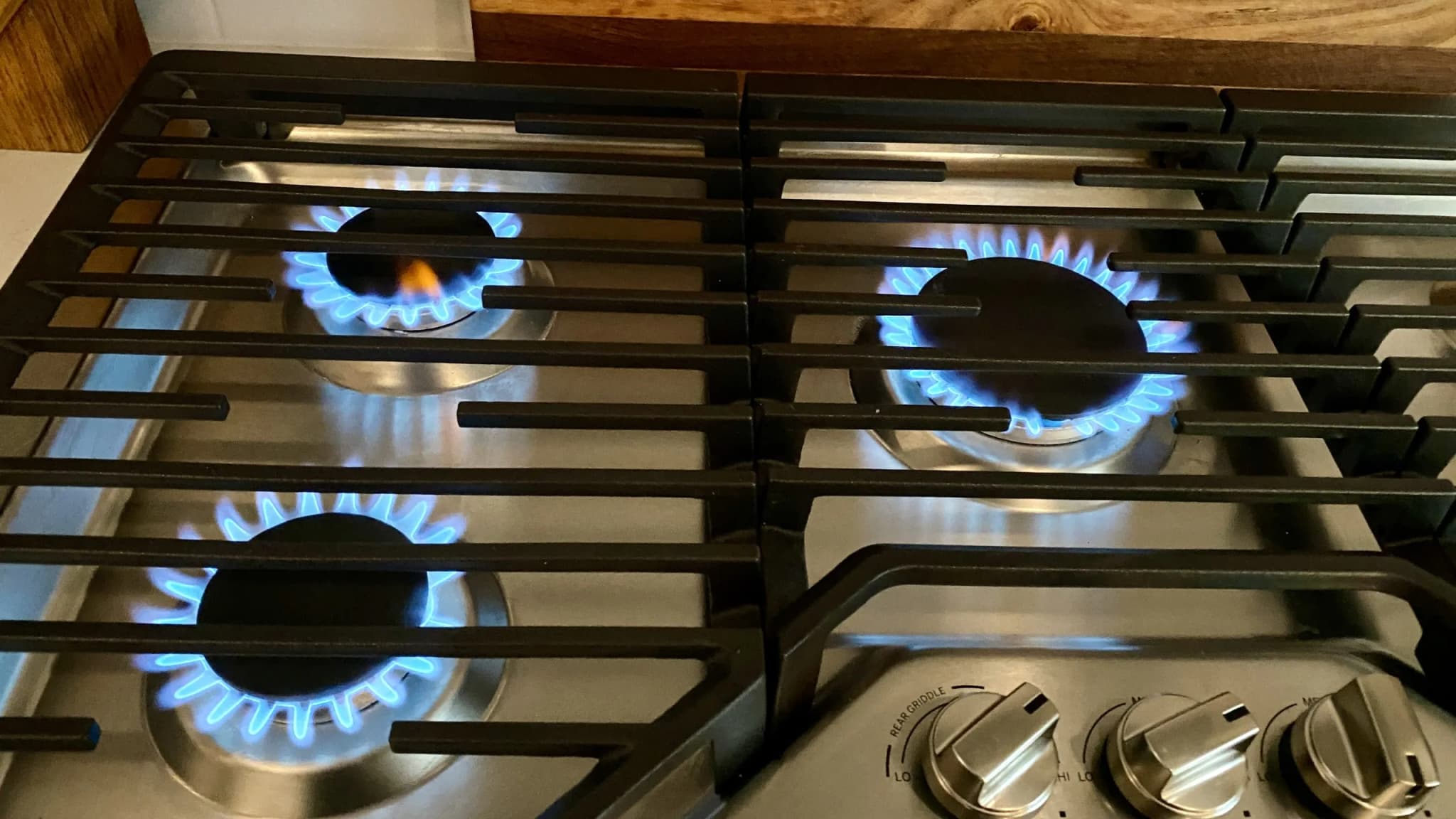
Colorado —What happens to the natural gas bill in your house when the state constitution guarantees you a right to use it?
That’s the question facing Colorado voters this fall. Lawmakers are launching a last-minute legislative bid to counter Initiative 177, a proposed constitutional amendment backed by the conservative advocacy group Advance Colorado. The goal is simple: keep natural gas where it belongs — in the hands of consumers and distributors, but not at the expense of local air quality rules or state climate targets.
The stakes are higher than just a few extra bucks on the utility bill. If Initiative 177 passes, it could upend the delicate deal struck in 2024 between the oil and gas industry, environmentalists, and state lawmakers. That agreement tightened air quality regulations and created a new production fee expected to generate $80 million for transportation and conservation projects this fiscal year. In exchange, all parties agreed not to back any major policy impacting the oil and gas industry through the 2027 legislative session and ballot cycle.
A constitutional "right to natural gas" could blow up that peace treaty.
"It’s unclear how Initiative 177 could impact state climate policies or local building regulations," said House Speaker Julie McCluskie, D-Dillon. "But if passed, distributors would have a constitutional right to sell natural gas, and consumers would have the same legal backing to purchase the fuel for cooking and heating. That could interfere with state and local efforts to cut natural gas usage to meet state climate targets."
McCluskie announced the new bill during a press briefing on Friday. The legislation aims to ensure the amendment doesn’t threaten public safety or local air quality. The bill must clear the legislature before the petition deadline, but the clock is ticking. Advance Colorado is still circulating petitions ahead of the June 25 deadline. To make the ballot, the group must submit valid signatures representing 2% of all registered voters in each of Colorado’s 35 state senate districts. Constitutional ballot initiatives require a hefty 55% of the statewide vote to pass.
The fear among lawmakers is a return to the state’s oil-and-gas ballot wars. Those conflicts have simmered but never fully reignited since voters rejected a citizen-led initiative to limit fracking in 2018. Initiative 177, backed by Advance Colorado — a group that doesn’t disclose its donors, has triggered fresh anxiety that the industry will use a constitutional shield to lock in its dominance, regardless of local zoning or state emissions goals.
For folks around here, the implication is straightforward. If the amendment passes, local governments lose some of their leverage. You might still be able to choose your gas provider, but you can’t easily stop them from selling to you if the state constitution says they have a right to sell. It complicates the push for electrification in new homes and makes it harder for counties to phase out gas lines in new developments.
The figures support that concern. The $80 million generated from the new production fee is critical for maintaining roads and conserving land across the state. If the constitutional right to gas weakens the industry's incentive to pay into that fund, or if it triggers lawsuits that freeze the current regulatory framework, that funding stream could dry up or get tied up in court for years.
McCluskie says the new bill is designed to protect both the consumer and the environment. But it’s a race against time. Advance Colorado is on the ground, collecting signatures, while lawmakers are drafting legislation that hasn’t even been formally introduced as of Friday afternoon.
"The question is whether we can pass this before the petitions are finalized," McCluskie said. "We need to ensure that a right to gas doesn’t become a right to ignore air quality standards."
It’s a tight window. If the bill passes, it sets the stage for a complex legal battle over whether a "right to sell" overrides local control. If it fails, Initiative 177 goes straight to the voters, and the $80 million deal hangs in the balance.
"As we look at the signature count, it’s clear that Advance Colorado is confident," McCluskie noted. "But we’re betting on the voters understanding that a right to gas isn’t just about your stove; it’s about your health, your wallet, and the air you breathe."
Keep up with Colorado
The day's Western Slope news, one email each morning. Free.


Federal Report Sets 200,000 Acre-Foot Water Conservation Target for Upper Basin

Colorado Parks and Wildlife Deploys Precision Drones for Weed Control