Colorado's $100 Raise Penalty: How a Small Increase Costs Families SNAP Benefits
A $100 raise in Commerce City cost a family their SNAP benefits, illustrating Colorado's 'cliff effect' where thousands of working families lose food aid despite earning above the poverty line.
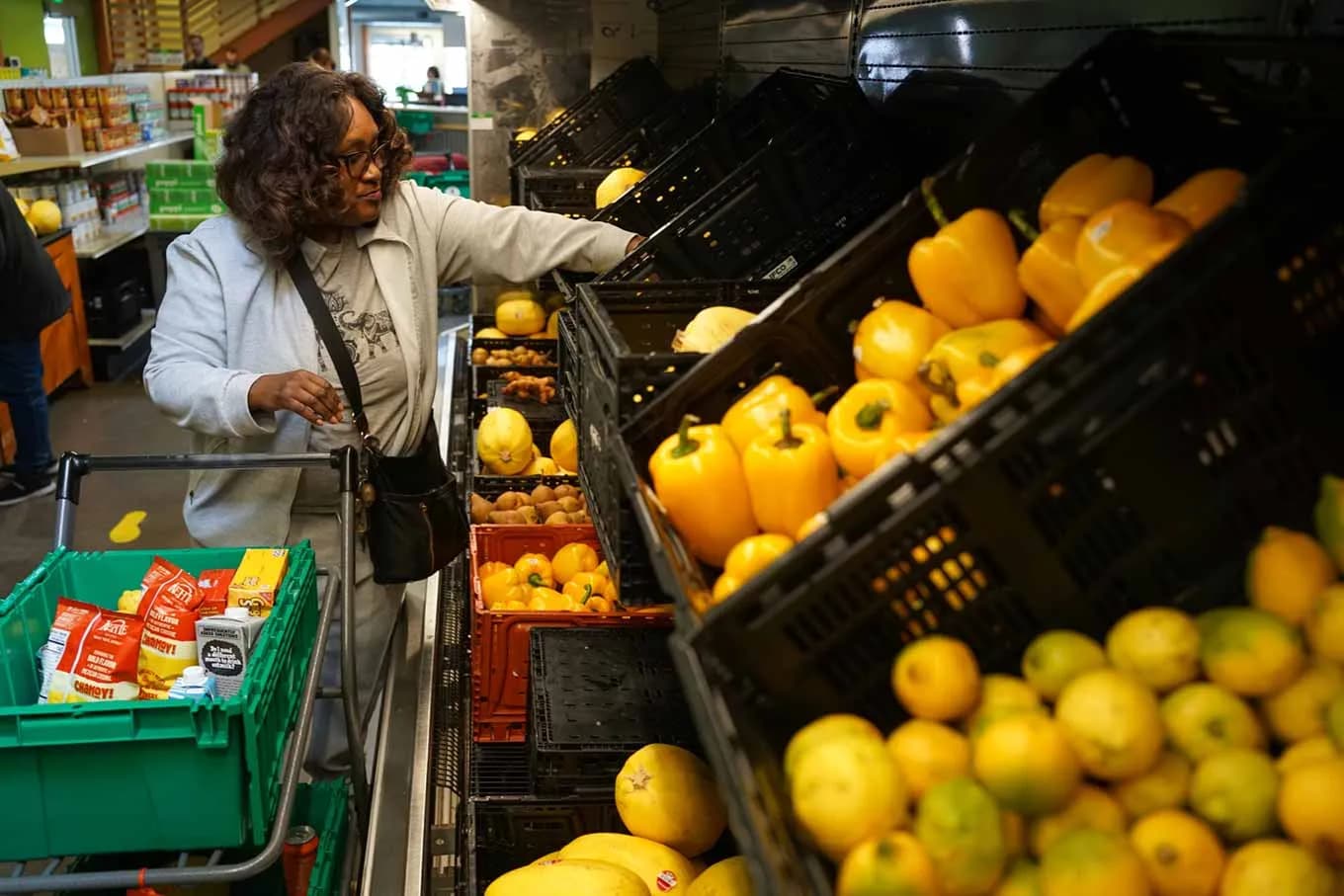
Colorado —Cinthya Garcia makes about $100 a month more than the cutoff. That’s it. A hundred bucks.
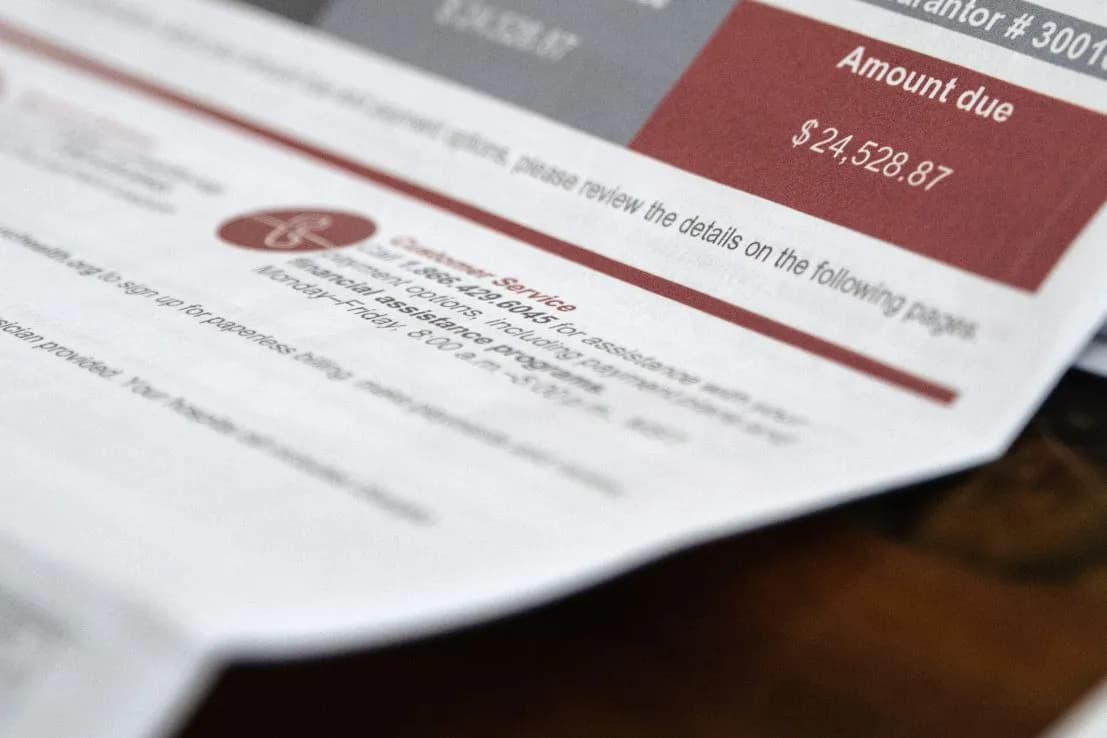
For a certified nursing assistant running her own language interpretation business in Commerce City, that raise was the milestone. It signaled stability. Instead, it turned off the tap. She lost her Supplemental Nutrition Assistance Program (SNAP) benefits. Her family of seven went from having a reliable stream of federal aid to scrambling for meat and fresh produce on their own dime.
“We were very good at managing what we were buying,” Garcia said. But the math didn’t hold. The SNAP contribution, once a lifeline, vanished. Now, she’s turning to food banks to fill the gap by the end of each month. “All around, it’s so difficult,” she said. “It feels like a boot on our neck all the time.”
Garcia’s story isn’t an anomaly. It’s the new normal for a significant chunk of Colorado’s population. Data compiled by Feeding America reveals a stark reality: nearly half of Coloradans experiencing food insecurity don’t qualify for SNAP. In 2023, that was roughly 350,000 people. They aren’t unemployed. They aren’t living in extreme poverty. They just make too much to get the help they need, but not enough to eat well.
Let’s look at the numbers. A report by the Colorado Health Institute found that 13.4% of Coloradans earning between two and three times the federal poverty level experience food insecurity. For a family of four, that’s an annual income of up to $96,450. You’d think that’s middle class. You’d think they’re fine. They’re not. Another 11% of families making up to $128,600 annually are also struggling to access adequate food.
This is the “cliff effect.” You earn a little more, you lose your benefits entirely. The penalty for success is starvation.
Chad Molter, executive director of Harvest of Hope Pantry in Boulder, notes that people assume food insecurity only hits the very poor. “This is not actually the case,” he said. Brandon McKinley, a marketing specialist with Metro Caring in Denver, agrees. The data shows that food insecurity happens to a lot more people than we think.
The system is broken because it’s binary. You’re either in or you’re out. There’s no middle ground for the nurse who makes $60,000 but pays $2,000 a month in rent. There’s no buffer for the small business owner who got a raise but now can’t afford the same quality of food.
For locals, this means the food pantries you rely on are seeing a different demographic. It’s not just the elderly couple on a fixed income. It’s the working family one bad car repair away from disaster. It’s the professional who got promoted but got priced out of the grocery store aisle.
The cost to fix this isn’t just about handing out more beans and rice. It’s about restructuring how we define “need.” If a family of four earning $96,000 is food insecure, the current SNAP eligibility cutoff is failing them. And failing us, because when the working class can’t eat, the whole economy stumbles.
Garcia’s story ends with her still working, still raising six kids, but now without the federal support that was supposed to make that possible. The $100 raise cost her the $600 monthly benefit. That’s a net loss. That’s a boot on the neck. And until the cliff is filled in, more of us will be falling off it.
Keep up with Colorado
The day's Western Slope news, one email each morning. Free.

NWRM CASA Honors Judge O’Hara and Founders at 15th Anniversary

Craig Hosts Only Regional Special Olympics Bowling Competition

Parachute Bike Clinic Seeks Permanent Home After 66 Free Repairs

Federal Report Sets 200,000 Acre-Foot Water Conservation Target for Upper Basin

Colorado Parks and Wildlife Deploys Precision Drones for Weed Control