Boston University Confirms CTE in First Descents Leader Ryan O’Donoghue
Researchers confirm that First Descents leader Ryan O’Donoghue suffered from stage 3 CTE, explaining the decline in the longtime executive director before his death.
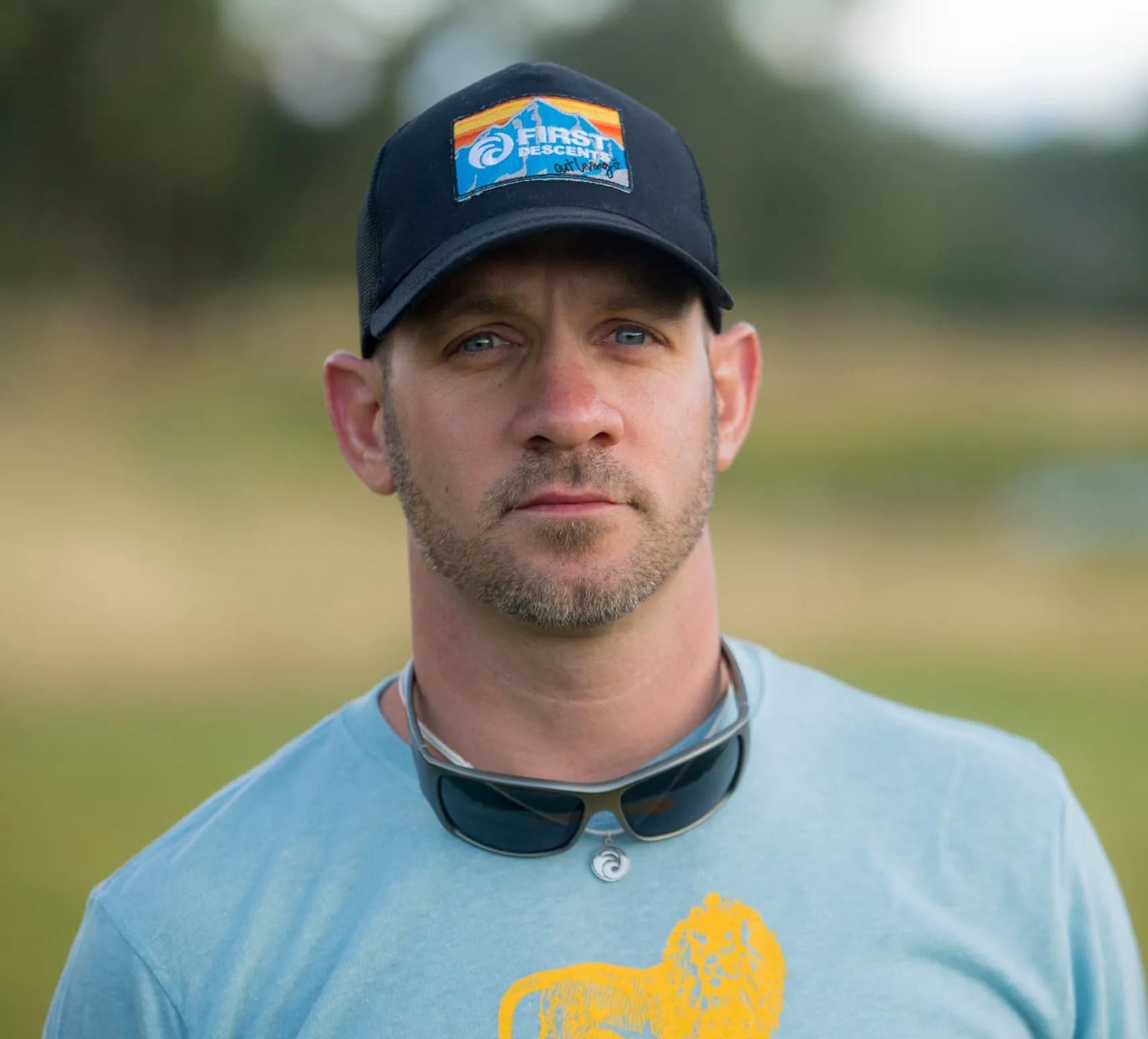
Colorado —What happens to a community when the person steering its ship is slowly losing his mind, and he knows it?
It’s a question that has hung over the Western Slope’s nonprofit sector since Ryan O’Donoghue, the longtime executive director of First Descents, took his own life last year. For years, O’Donoghue was the face of the organization that helped young adults with serious illnesses and injuries access the outdoors. He was a local fixture, a man who knew the difference between a powder day and a bluebird afternoon, who could navigate the steep, rocky trails of the San Juans with the ease of someone who had grown up breathing thin air. But behind the polished leadership and the endless energy, a biological clock was ticking down.
Now, a year later, we have an answer, though it doesn’t make the grief any easier to bear. Researchers at Boston University have confirmed that O’Donoghue suffered from stage 3 chronic traumatic encephalopathy, or CTE. It is an incurable degenerative disease, a condition caused by cumulative trauma to the head. He was on the doorstep of dementia, losing the very faculties that made him who he was.
And he knew it.
Tara O’Donoghue, his wife and the mother of their nearly 4-year-old daughter, Marley Joy, says he felt "too sick to recover" in his final days. In a letter to her, he described a demon he couldn’t shake, a confusion that was crashing down on the life they had built together. It wasn’t just sadness; it was a structural failure of the brain.
If you look closely at the timeline, the signs were there for anyone willing to see them. O’Donoghue had spent the last decade caring for his own mother as she navigated early-onset dementia. In his final months, he told friends and doctors that he was developing similar symptoms. The lifelong athlete — a gifted skier and mountain biker who played tackle football from age 9 through his early 20s at Georgetown University — began to show uncharacteristic clumsiness. He struggled to find words. The nimble leader, always doing and creating, suddenly felt debilitated.
Doctors told him he was depressed. They treated the depression, but the darkness seemed to be growing. He saw nearly a dozen doctors in those final months, begging for help, for a diagnosis, for a way out of the fog. But there was no help, because there is no cure for CTE. The only way to definitively test for it is by examining brain tissue after death.
So, what does this mean for the folks who relied on him? It means that the clarity we admired in his leadership may have been fighting a losing battle against biology. It means that the energy he poured into First Descents was coming from a brain that was slowly being rewritten by decades of impact.
Tara O’Donoghue says the diagnosis has helped her "soften into such compassion." It hasn’t erased the pain, but it has changed the shape of it. She bounces Marley Joy on her hip, a small, energetic counterpoint to the stillness of the loss. The tragedy isn’t just that he died; it’s that he was alive, aware, and unable to stop the decline.
The sun dips below the jagged peaks of the Elk Mountains, casting long, blue shadows across the valley floor. The air grows cold, sharp and clean, carrying the scent of pine and distant snow. It’s a quiet end to a loud life, a moment of stillness that feels both heavy and peaceful, leaving us with the lingering question of how much of ourselves we lose when we give everything to the work.
Keep up with Colorado
The day's Western Slope news, one email each morning. Free.

NWRM CASA Honors Judge O’Hara and Founders at 15th Anniversary

Craig Hosts Only Regional Special Olympics Bowling Competition
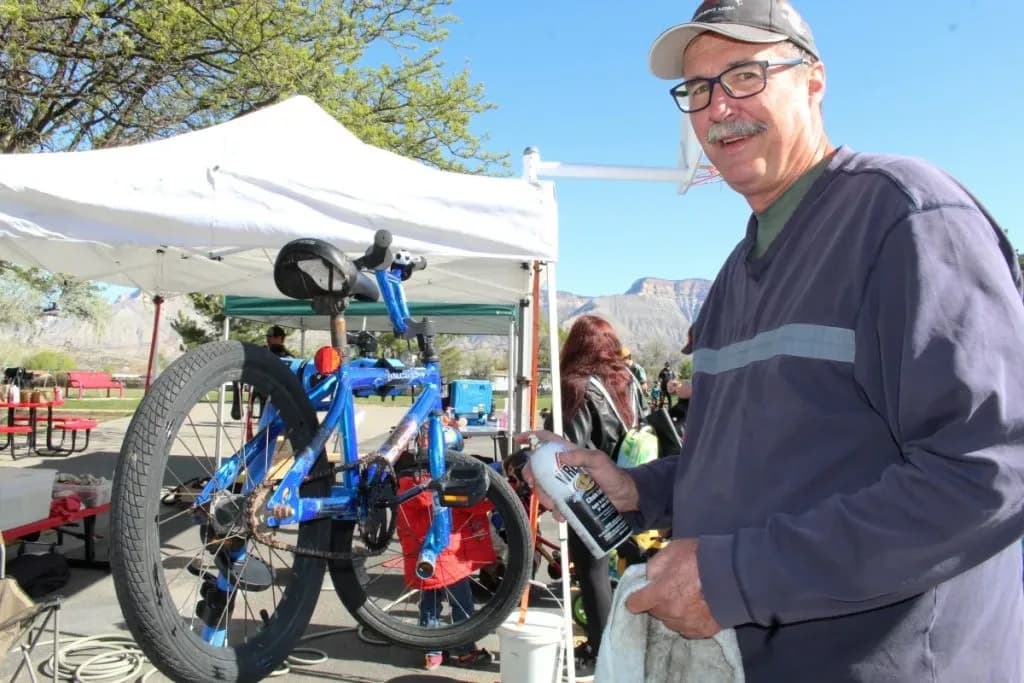
Parachute Bike Clinic Seeks Permanent Home After 66 Free Repairs

Federal Report Sets 200,000 Acre-Foot Water Conservation Target for Upper Basin
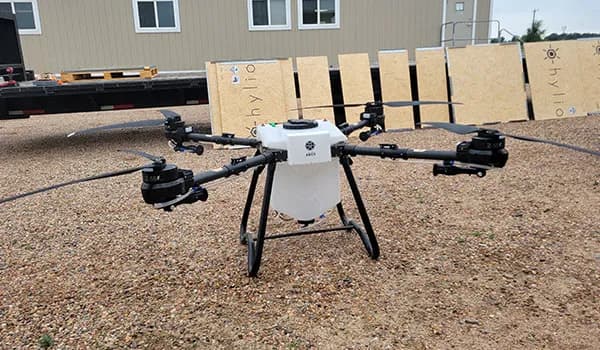
Colorado Parks and Wildlife Deploys Precision Drones for Weed Control