Cemex Cuts 70 Jobs at Controversial Lyons Cement Plant
Cemex filed a WARN notice cutting 70 jobs at its Lyons cement plant in November, sparking safety and transparency concerns among Boulder County neighbors.
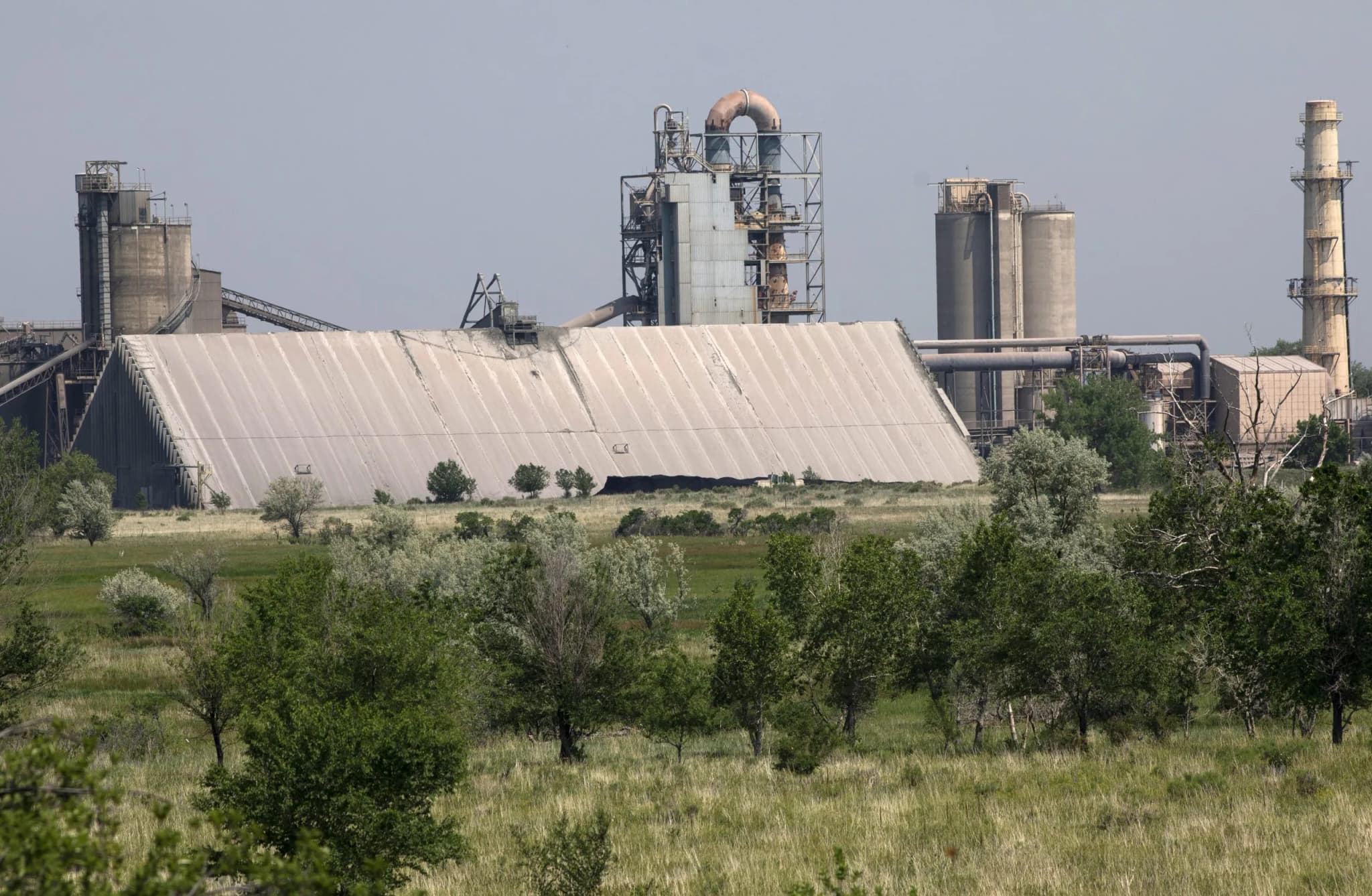
"Will Cemex be running the kiln with a skeleton crew?" Sarah Lorang asked, her voice carrying the weight of years of dust and diesel fumes that have settled into the lungs of neighbors along Colorado 66.
That question hangs in the air now, thick and unresolved, as the controversial Cemex cement kiln near Lyons prepares to cut 70 jobs starting in November. It is more than half the staff at a facility that has been a source of tension, litigation, and health anxiety for Boulder County residents for years. The plant sits highly visible on the highway between Longmont and Lyons, a massive industrial scar in the landscape that locals have fought to close or strictly regulate.
According to a report by the Colorado Sun, Cemex issued a WARN notice — a legal requirement for significant layoffs — filed with the Boulder County Attorney’s office on Sept. 22. The notice, signed by a company vice president, indicates that at least 70 employees will be let go beginning Nov. 21. Company spokesperson Randy Stuart confirmed the "rebalancing of staffing levels" in an email, noting that while positions are being eliminated, cement sales and distribution will continue. When pressed specifically about the kiln, the roaring heart of the operation that burns limestone into cement - Stuart offered a terse assurance: "The cement operation at Lyons is not ceasing."
But the numbers don’t quite add up, and that discrepancy is fueling concern. A filing with the Mine Safety and Health Administration lists 112 people employed at the plant, a figure Lorang cites. In recent negotiations with Boulder County, Cemex has claimed "more than 100" workers, while a 2023 flyer touted by the company cited a staff of 90. The state labor and employment office has not yet posted the new WARN notice on its public spreadsheet, leaving a gap in official record-keeping that feels glaringly large given the scale of the cuts.
For Lorang, who has helped lead efforts to either close the plant or enforce tougher pollution controls, the immediate worry isn't just about jobs; it's about safety. "With layoffs of this size at a facility this large, our biggest concern is safety; for the employees and for the surrounding community," she said. "Given the plant’s safety and environmental record, we think the community deserves real transparency about what this next chapter looks like."
The kiln is one of only three major cement-making operations in Colorado, making it a critical piece of the state’s industrial infrastructure. Yet its presence here has been contentious since Cemex first sought to extend operations with a longer permit for mining activity on the north side of the highway, offering significant acreage of open space in exchange. Community groups and local officials have scrutinized every move, from the trucking traffic that rattles windows at dawn to the plumes of smoke visible on humid afternoons.
Cemex says it will continue operations, but the company did not answer specific questions about how a reduced workforce will manage the kiln’s daily rhythm. Will the pace of production slow? Will maintenance schedules shift? These are not abstract questions for folks in Lyons or Longmont; they are the details that determine whether the air outside their homes stays breathable.
As November approaches, the hum of the kiln will likely continue, but the workforce that keeps it turning is shrinking. The dust from the quarry on the north side of the highway still kicks up in the wind, settling on cars and clothes with a fine, gray persistence. It’s a reminder that even as the company restructures its staff, the physical footprint of the plant remains unchanged, a heavy, silent presence in the valley.
Keep up with the Western Slope
The day's Western Slope news, one email each morning. Free.