Colorado Agencies Kill Unidentified Wolf After 22 Sheep Attacks
Colorado Parks Wildlife killed an uncollared Copper Creek wolf in Routt County after 22 sheep attacks, confirming chronic depredation and validating federal removal rules for local producers.
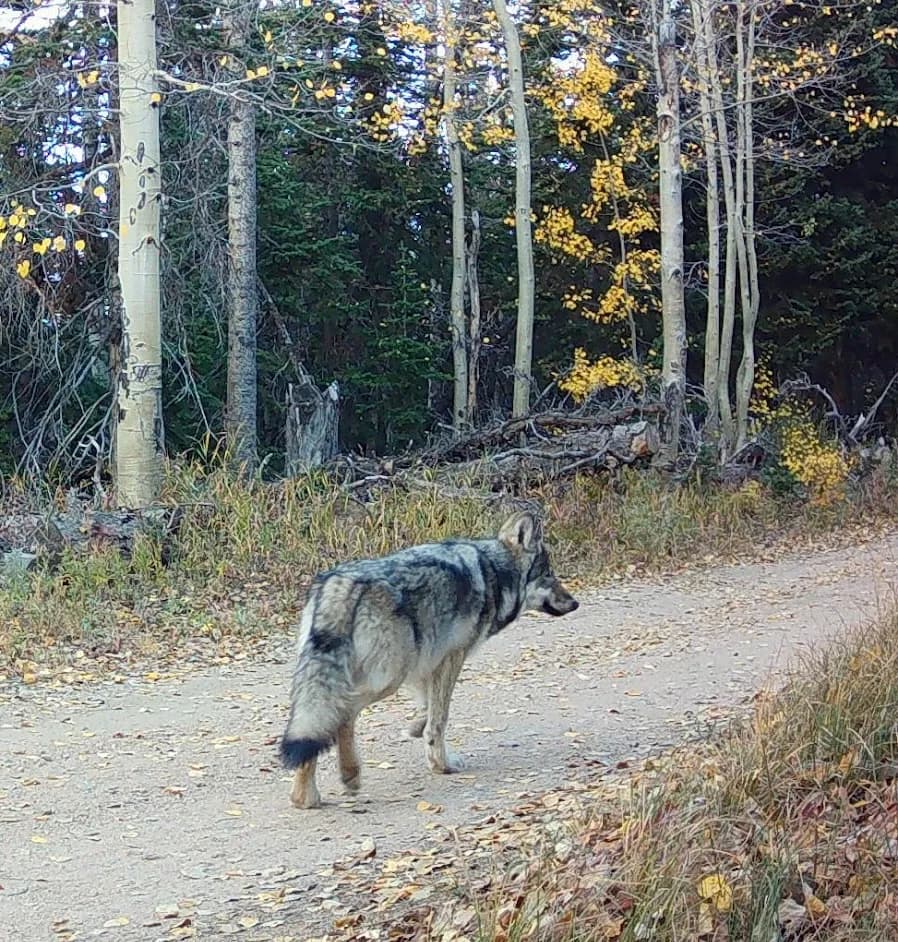
Aspen —The late afternoon sun hung low over the high country, casting long, cool shadows across the grazing allotments in Rio Blanco County. It was a landscape defined by vast openness and quiet tension, where the bleating of sheep often competed with the distant, echoing howls of wolves. For months, producers here had watched their flocks with a mixture of routine care and underlying anxiety, knowing that the wilderness beyond the fence line held teeth capable of tearing through their livelihood.
On Monday, July 13, Colorado Parks and Wildlife (CPW) released a comprehensive accounting of its four attempts to kill an elusive, uncollared wolf responsible for at least 22 sheep attacks between July 2025 and June 2026. The report, detailed in the Vail Daily, offers a clear window into the logistical and biological complexities of managing wildlife conflict in a state where wolves hold federal protection yet can be removed under specific conditions.
The wolf, ultimately killed in Routt County on June 12 by CPW and U.S. Department of Agriculture’s Wildlife Services, was identified as a member of the Copper Creek pack born in 2024. Its story is one of evasion and persistence. In September 2024, the wolf eluded capture when its pack was temporarily relocated to a wildlife sanctuary, remaining separated from them ever since. This removal marks the second wolf killed by CPW due to livestock conflict since the agency began its reintroduction program in December 2023; a yearling from the same Copper Creek litter was killed in Pitkin County in May 2025.
The timeline of conflict began with an initial sheep death in Rio Blanco County on July 20, 2025. The report highlights that the local producer had conducted a site assessment and found no known attractants, yet still deployed two additional range riders, guard dogs, and sheep herders to deter further attacks. Within a month, the producer faced three more confirmed wolf attacks — including two dead lambs and one ewe — occurring within a 6.5-mile radius on two grazing allotments.
What makes this case particularly notable is the definition of "chronic depredation." After an attack on August 2, the situation met the criteria for chronic depredation: three confirmed attacks by wolves within 30 days despite producer efforts. However, wildfires in the area delayed action until August 13. The report details unsuccessful efforts to lure and locate the wolf using recorded animal sounds, followed by a successful identification using thermal optics after an attack on August 16. The wolf was shot that night, though CPW and Wildlife Services spent five days using dogs to locate it afterward.
The authority to kill these wolves, despite their federally protected status, stems from Colorado’s special 10j rule with the U.S. Fish and Wildlife Service. The new report confirms that federal wildlife agencies were consulted in all four attempts to kill the uncollared Copper Creek wolf, ensuring that the legal framework held up under scrutiny.
As the seasons turn and the snow begins to accumulate on the Western Slope, the question remains not just about this specific wolf, but about the future of coexistence. The data points to a system working, albeit slowly and with considerable effort. You can feel the weight of those 22 sheep in the numbers, a tangible cost to the producers who share their land with these predators. The wolf’s story is no longer just a headline; it is etched into the land, in the tracks left behind and the guard dogs that never sleep.
Keep up with Aspen
The day's Western Slope news, one email each morning. Free.