Colorado Amendment 85 Demands Eighth-Grade Reading Level for Ballot Titles
Colorado voters will decide if Amendment 85 requires ballot titles to be readable by an eighth-grader. A 55% approval threshold is needed to change the state constitution.
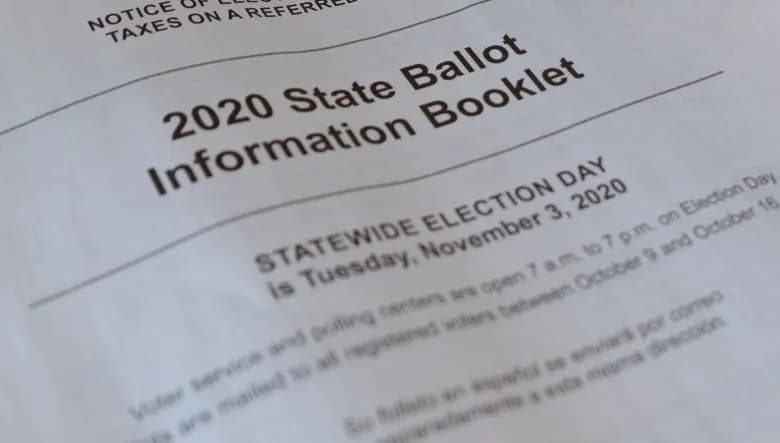
The ink on the ballot is still wet, but the language is already fighting for clarity. In the quiet hum of a voting booth in Denver, a voter squints at a measure that reads like a legal contract, wondering if they’re missing a clause. It’s a familiar frustration for folks across the state: we’re asked to decide the fate of our government, yet the rules of the game are written in a font size and vocabulary that excludes the very people they govern.
This is the heart of Amendment 85. As reported by the Colorado Sun, voters will decide in November whether to amend the state constitution to require that future ballot measures be written in language comprehensible to an eighth-grade student. Currently, the law demands "simple English," but it lacks a concrete metric. This proposal adds that missing benchmark. Because it modifies the constitution, it needs a 55% approval threshold — a higher bar than a standard majority.
The measure targets the "titles" of ballot initiatives, the brief summaries that allow voters to cast a simple "yes" or "no." These titles are currently crafted by the State Ballot Title Board, a group including representatives from the Attorney General’s office, the Secretary of State’s office, and the nonpartisan legislative counsel. Amendment 85 would apply to both citizen-initiated measures and those sent to the ballot by the legislature. It also aims to prevent state legislators from passing laws that dilute these new readability standards.
Behind the push is Advance Colorado, a conservative nonprofit that doesn’t disclose its donors. They have five other measures on this year’s ballot. The effort has drawn support from an unlikely coalition: Amber McReynolds, a former Denver election official; Deep Singh Badesha, a liberal commentator; and Courageous Colorado, a bipartisan advocacy group. African Leadership Group, which represents the African immigrant community, also backs the proposal, with its political arm funding the campaign website.
Proponents argue that defining "simple language" precisely will yield clearer titles. However, the state’s nonpartisan guide, the "Blue Book," points out a gap: the amendment doesn’t define what constitutes simple language, nor does it specify who determines compliance. That ambiguity is the part everyone skips past, and it matters because without a clear arbiter, the eighth-grade standard might remain just a suggestion.
Stand there long enough and you realize the fight isn't really about reading levels. It's about who gets to speak for us. Whether the amendment passes or fails, the message is clear: if the rules of democracy are too hard to read, they aren't really rules at all. They’re just noise.
Keep up with the Western Slope
The day's Western Slope news, one email each morning. Free.