Colorado Candidates Skip Debate Stage Over Viral Gaffe Fears
Colorado candidates are skipping televised debates due to fears of viral gaffes. Governor Victor Marx faces $57,000 in fines, while Phil Weiser polls 30 points ahead.
The silence in the debate hall is louder than the shouting matches of yesteryear. It is a quiet that stretches across the Western Slope, a void where the clashing of political ideologies used to echo off the walls.
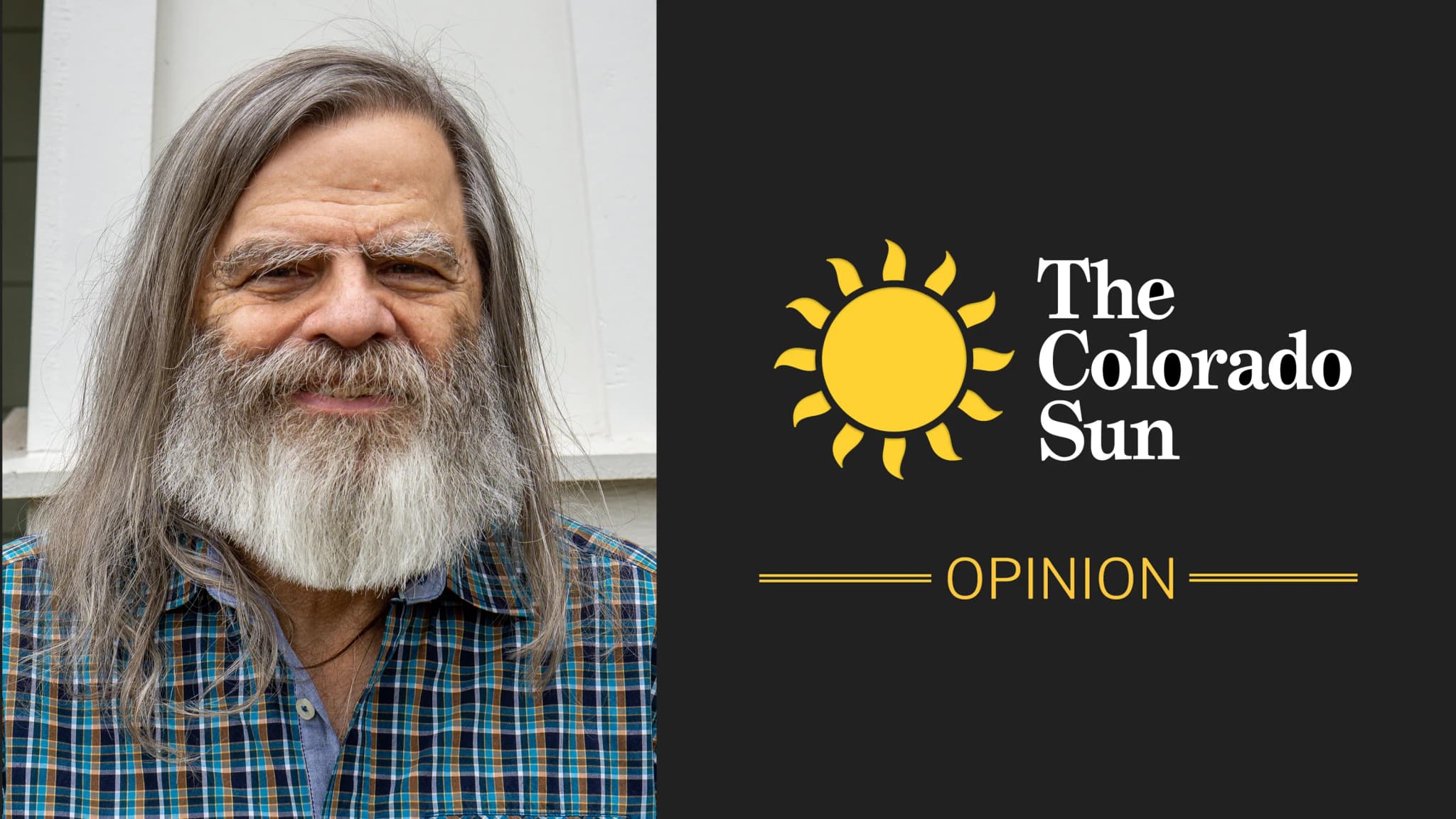
Mike Littwin opens his column in the Colorado Sun with a blunt observation: "It’s hardly debatable that there are fewer election-year debates than ever — and not just in Colorado, but across America." He argues that in an era of hyperpartisan politics, the simple act of sitting down with an opponent has become a radical move. It is also a dangerous one. A single gaffe can go viral, fueling million-dollar ad campaigns and AI-generated social media videos that ridicule the slip-up.
Littwin points to a specific example involving Missouri Republican Sen. Eric Schmitt. During a Senate hearing, Schmitt attempted a "gotcha" moment against former special counsel Jack Smith. But Schmitt stumbled, confusing the NBA’s Atlanta Hawks with the Iowa Hawkeyes’ women’s college basketball team. It became a meme machine. Littwin asks the reader to imagine that mistake happening on a live debate stage. The political fallout would be seismic.
Back home, the trend is visible in at least three major races. Some locals jokingly refer to this phenomenon as the "Kyle Clark effect." The 9News anchor is known for his tough, fearless moderation style, which reportedly scares pretty much every candidate. Others call it the "chickens — t effect," suggesting that while debates serve democracy, they often don't serve the candidates' personal interests.
Take the state attorney general’s race. Democrat Jena Griswold is heavily favored to win against Republican Michael Allen. Yet, facing withering questions about her controversial tenure as Colorado Secretary of State in a televised setting carries risk. Fortunately, both candidates agreed to appear in a Colorado Sun-sponsored in-person debate on Oct. 14.
Then there is the governor’s race. Democrat Phil Weiser, a former law professor, is polling to beat his opponent by 30 points or more. He is always happy to debate, regardless of the moderator. His opponent, GOP candidate Victor Marx, is a different story. Marx is smart enough to know that a moderator will likely ask him why many voters view him as a con man. Or worse.
Just this week, it was announced that Marx may face $57,000 in fines for a "pattern of indifference" to Colorado campaign finance rules. Does he really want to answer that question on national television? What about the "exorcism-by-phone" question? Or the "dead-man-tells-no-tales" question?
As the November votes approach, the stakes for these candidates grow higher. The decision to skip the debate stage is a calculated risk. For some, it is fear of the unscripted. For others, it is pure strategy. In the end, the quietest debate might be the most telling one of all.
Keep up with the Western Slope
The day's Western Slope news, one email each morning. Free.