Colorado Health Officials Link Salmonella Outbreak to Chipotle and Qdoba Jalapeños
Colorado health officials link 110 local salmonella cases to jalapeño peppers served at Chipotle and Qdoba, part of a larger multistate outbreak involving over 300 people.
Is your lunch at Chipotle or Qdoba making you sick?
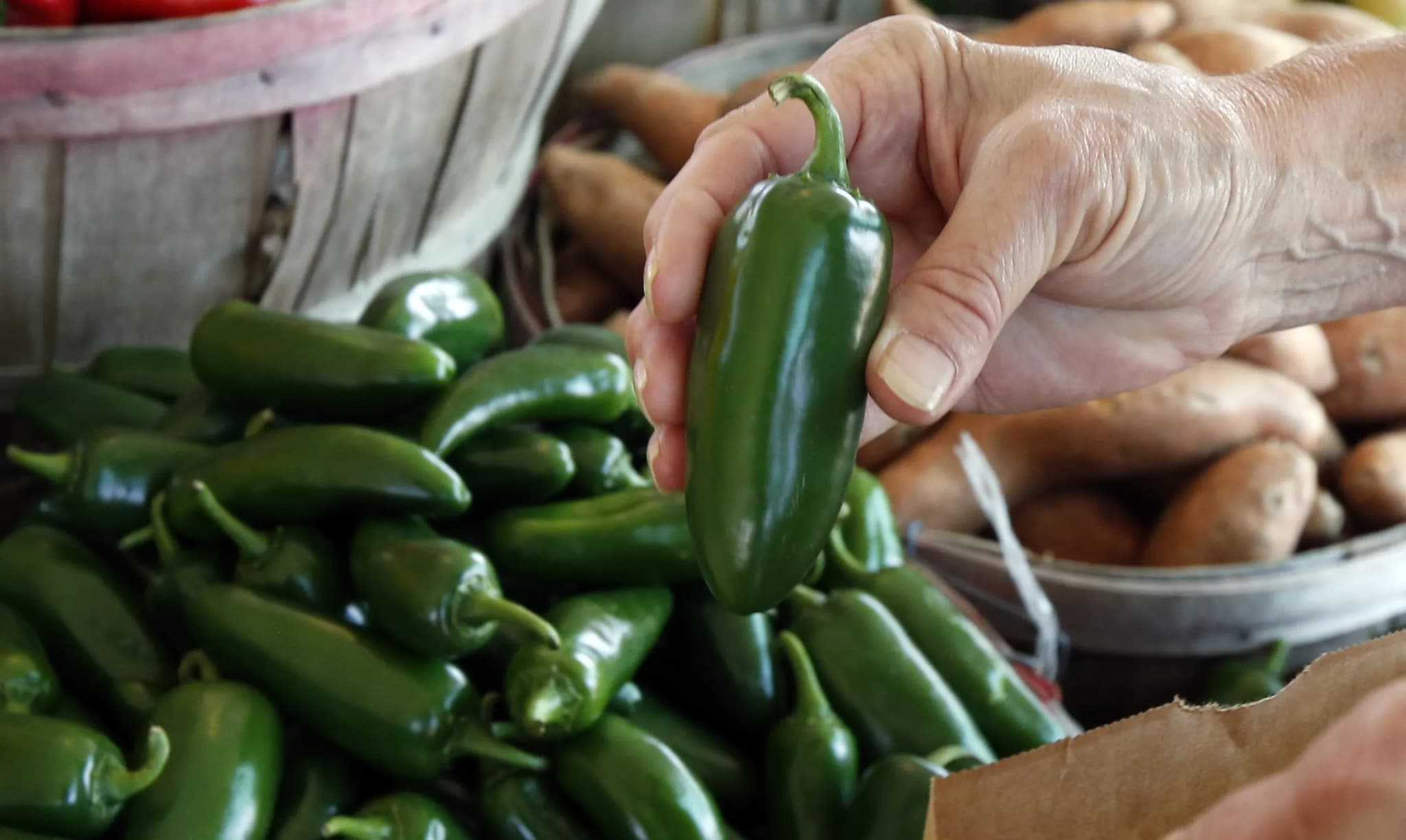
It’s possible. Colorado health officials have linked a growing salmonella outbreak to jalapeño peppers served at both restaurant chains. The state has identified 110 local cases. These cases are part of a larger multistate outbreak involving more than 300 people across at least 27 states.
The culprit is specific: jalapeño peppers grown in Mexico. The peppers were distributed to restaurants across the United States. The federal Centers for Disease Control and Prevention confirmed the link.
In Colorado, the state Department of Public Health and Environment traced the contamination to the two chains. They stopped serving the affected jalapeños once notified. Agency spokesperson Kayla Glad confirmed the move in an email. The goal was to prevent additional cases.
State and federal authorities say the risk to consumers is no longer ongoing. You can eat at Chipotle or Qdoba without fear of that specific pepper. But the bacteria is still circulating.
Salmonella is more concerning than the explosive diarrhea-causing parasite, cyclosporiasis, currently being tracked in the state. Cyclosporiasis is unpleasant. It is rarely fatal. Salmonella is different. It kills about one person per year in Colorado since 2000. It kills hundreds annually in the United States.
There have been no deaths linked to this pepper outbreak yet. But the CDC reports 36 hospitalizations nationwide. Symptoms start six hours to six days after eating the contaminated food. Diarrhea, stomach cramps, and fever are common. Severe dehydration is a real risk. Staying hydrated is critical.
Most infections clear up on their own. Young kids and older adults are at higher risk for severe illness requiring medical attention.
Kayla Glad said the number of cases in Colorado could increase. The state public health lab is working through samples sent in for testing. Linking specific cases to the outbreak takes time. Salmonella can also come from improperly prepared or stored food, especially poultry. This outbreak is strictly tied to the peppers.
Meanwhile, there is no evidence of a cyclosporiasis outbreak in Colorado. The state has recorded 241 cases so far this year. Of those, 74 percent have been fully investigated.
The short version: The peppers are gone from the menu. The bacteria is still in the system. If you ate at either chain recently and have symptoms, watch closely. Hydrate. Rest. If you are elderly or have a child, be extra cautious.
The investigation continues. The case count will likely rise as labs process more samples. But for now, the immediate threat from the jalapeños is contained.
Keep up with the Western Slope
The day's Western Slope news, one email each morning. Free.