Colorado Initiative 362 Requires Voter ID on Mail Ballots
Colorado Initiative 362 qualified for the ballot Wednesday, requiring voters to add Social Security or license numbers to mail envelopes. The measure faces a 55% approval threshold.
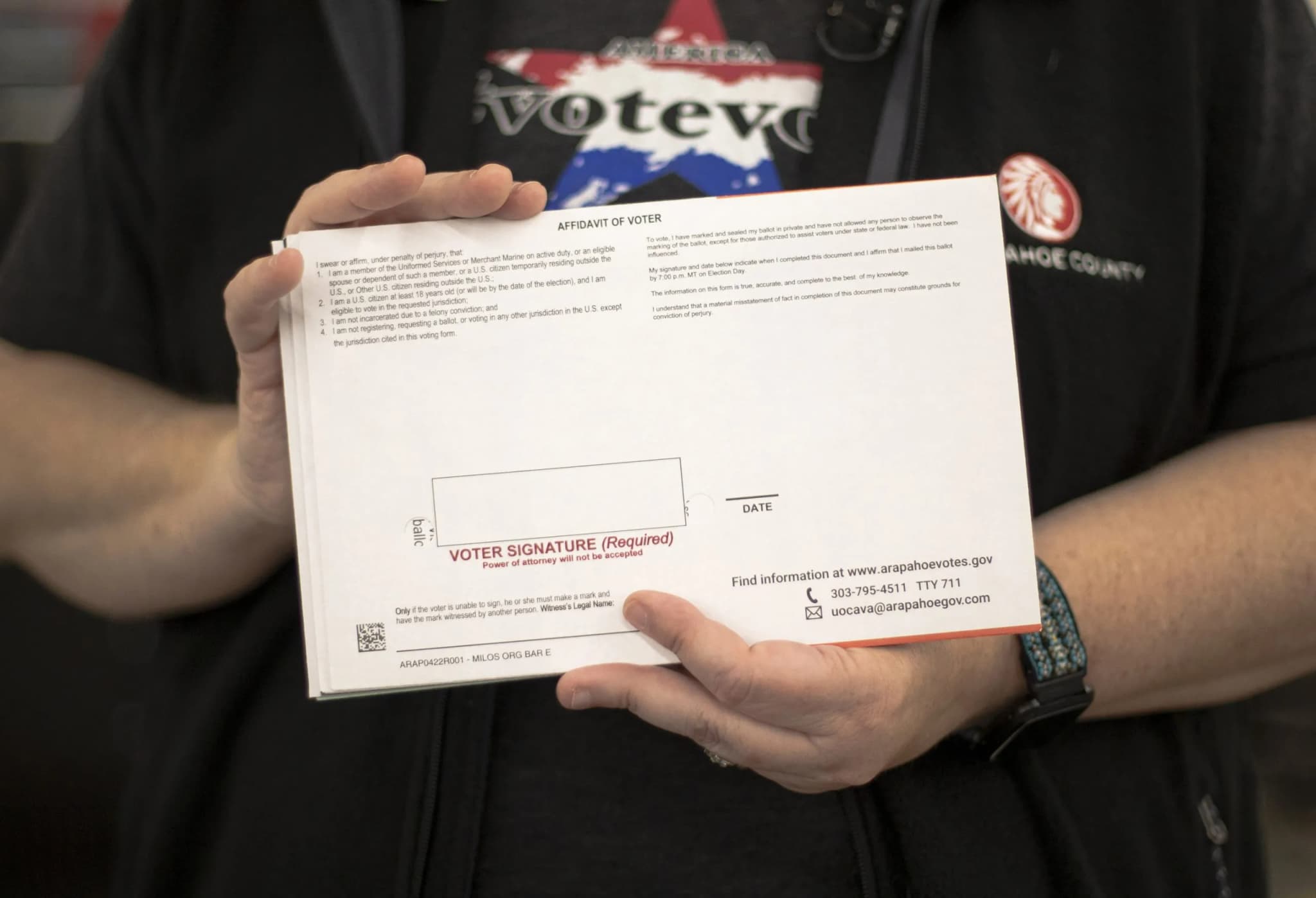
On a crisp November morning, a voter in Fort Collins slides a mail-in ballot into a return box. Under current rules, that single signature is the entire handshake between the citizen and the state. But if Initiative 362 passes, that simple act becomes a forensic exercise. The voter must now append the last four digits of their Social Security number or their full driver’s license number to the envelope. Miss one digit, and the ballot is dead on arrival.
The stakes are high because this isn’t just a minor rule tweak; it’s a constitutional amendment. The Colorado Secretary of State’s office confirmed Wednesday that supporters of the initiative submitted enough valid signatures to secure a spot on the ballot. To win, the measure needs 55% of the vote. That’s a steep hurdle, especially in a state where mail voting is the norm for millions.
Let’s look at who is behind this push. The initiative was filed by Chuck Broerman, a former top elections official in El Paso County, and Suzanne Taheri, a former deputy secretary of state. The money trail leads to the Colorado Voter Trust Initiative, which paid signature gatherers. Funding came from the Coalition for American Prosperity and Growth, a group registered to a shipping store in Colorado Springs that rents mailboxes. As The Colorado Sun’s Jesse Paul noted, it remains unclear where this coalition gets its cash, effectively making it a dark money group. On paper, it’s a local business. In practice, it’s a slush fund for a statewide ballot fight.
Supporters argue this extra layer of ID prevents impersonation. They want to ensure that only the person whose name is on the ballot is casting it. Opponents counter that Colorado’s existing signature verification system is already robust. They argue that adding another barrier creates unnecessary friction. For folks in the valley, this means more chances for error. A smudged number, a transposed digit, or a judge who can’t read the handwriting could all result in a rejected ballot.
The measure also includes a "cure" provision. If a voter forgets the ID number or the judge can’t read it, the voter gets a chance to fix it. This mirrors the current process for signature mismatches. However, critics worry that the cure process might not be fast enough or communicated clearly to all voters, leading to disenfranchisement.
For neighbors across the Western Slope, this change hits home. We rely on mail ballots for convenience and safety. Adding a complex ID requirement shifts the burden of proof onto the voter. It turns a routine civic duty into a potential legal trap. If you get it wrong, you lose your voice. The cost of compliance is high: time, attention, and the risk of error. The benefit, according to proponents, is marginal security. Whether that trade-off is worth it is exactly what we’re about to decide.
Keep up with the Western Slope
The day's Western Slope news, one email each morning. Free.