Colorado Parks and Wildlife Appoints Matthew Hyde as New Wolf Conservation Manager
Colorado Parks and Wildlife appoints Matthew Hyde as its new wolf conservation manager, replacing Eric Odell. Hyde inherits a stabilizing program with 50 wolves and faces political scrutiny over livestock protections.
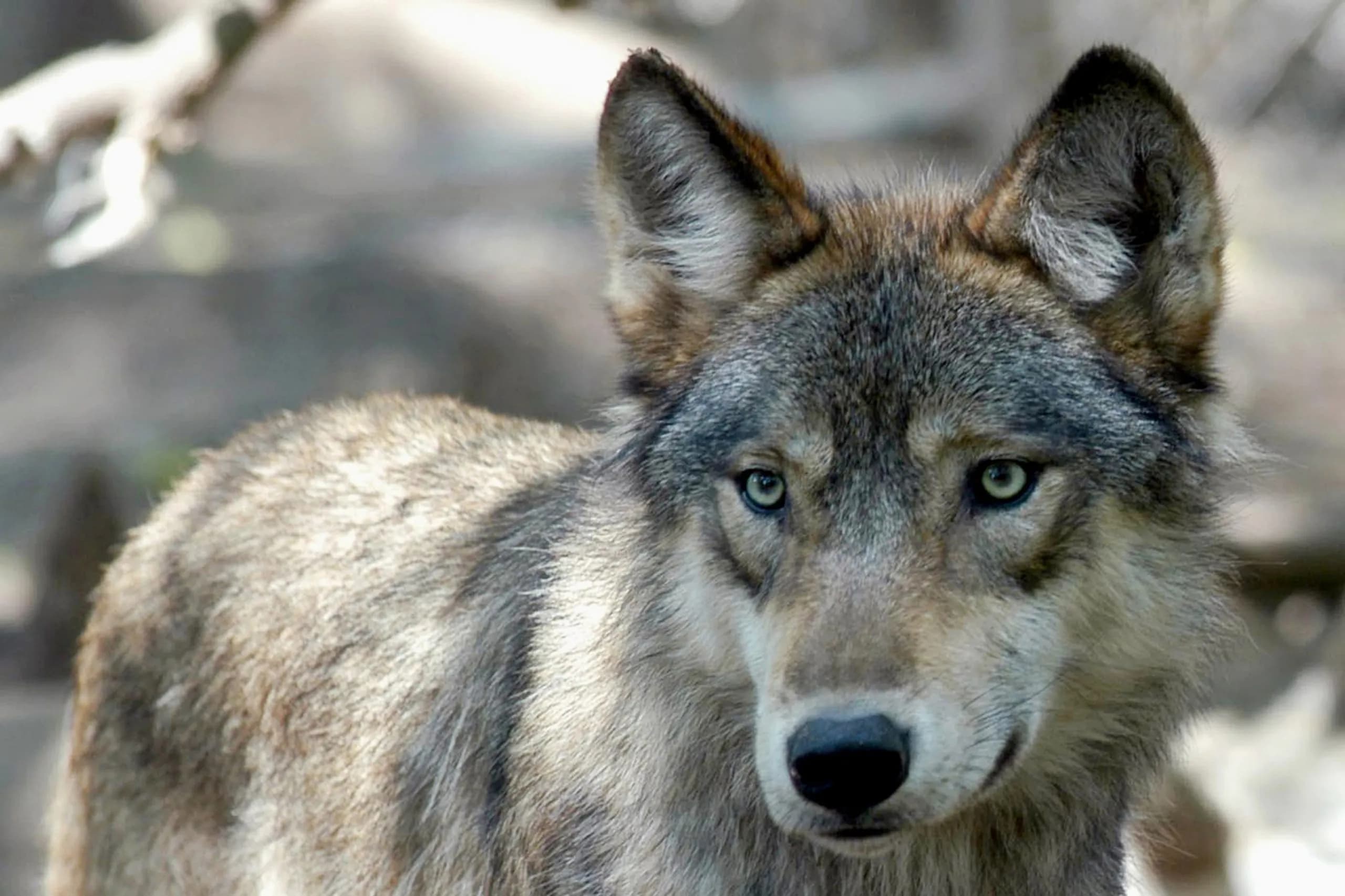
The question hanging over the Western Slope isn’t whether wolves are coming back. It’s who is going to let them stay, and at what cost to the ranchers standing in their way.
Matthew Hyde took his first steps as Colorado Parks and Wildlife’s new wolf conservation manager this week, inheriting a program that is simultaneously growing stronger and facing its most significant political threat since voters approved reintroduction in 2020. He replaces Eric Odell, the career biologist who quietly built the foundation for this recovery effort over 26 years. Odell retired last week, leaving behind a legacy that included prestigious awards and even an aircraft named after him by Frontier Airlines — Odell the Lynx.
Hyde, formerly a postdoctoral fellow with the California Wolf Project at UC Berkeley, brings two years of focused study on human-wolf relationships to the role. But his arrival coincides with a period of intense scrutiny that has nearly stalled the program’s momentum. The U.S. Fish and Wildlife Service blocked CPW from importing gray wolves from British Columbia in October 2025, citing allegations of misconduct within the agency. That blockage forced CPW to rely on existing wolves rather than bolstering numbers through imports, a decision that drew sharp criticism from wildlife advocates.
The pressure mounted quickly. In January, CPW Director Brian Nesvik demanded a full accounting of the agency’s actions from the program's inception. By April, the public was asked to weigh in on how effectively livestock protections were being implemented. And then, in May, Odell told the Parks and Wildlife Commission that he could not predict when — or if, wolves would ever be fully reestablished in the state.
Things have stabilized since then, and that matters because stability is currency for ranchers who share the land with these predators. On July 22, CPW confirmed successful reproduction in three existing wolf packs and the formation of a new pack called Piney Ridge. Litters range between four and six pups each. Combined with the first generation of pups, the total wolf population is now inching into the 50s. It’s a small number, but it’s moving toward the 150 needed for a self-sustaining population.
Hyde inherits this sturdier foundation, but the uncertainty remains. The U.S. Fish and Wildlife Service continues to evaluate CPW’s efforts, with the threat of taking over the program entirely still on the table. Both major-party gubernatorial candidates have signaled their interest in how this plays out, making the manager’s role increasingly political.
Luke Perkins, CPW spokesperson, confirmed Hyde’s selection on Monday but noted he would not be available for interviews until he had met with staff and become acclimated to the position. This delay suggests a deliberate transition, allowing Hyde to observe before he speaks publicly. It also means the community has to wait a bit longer for his specific vision on how to handle the ongoing conflicts with ranchers.
Not exactly a quiet exit for Odell, whose retirement marked the end of an era defined by cautious, steady growth. Hyde’s challenge is to accelerate that growth without triggering the political backlash that nearly halted imports last fall. He has the data, the packs, and now the time to figure out how to keep them all.
Stand there long enough and you can see the wolves in the high country, moving through the pine forests that have been their home for millennia. The question is whether the humans living below them will let them stay.
Keep up with the Western Slope
The day's Western Slope news, one email each morning. Free.