Colorado River District Secures $40M for Shoshone Water Rights
The U.S. Bureau of Reclamation released $40 million to the Colorado River District, bringing it within $1.5 million of securing historic Shoshone water rights from Xcel Energy to ensure reliable flows for the Western Slope.
Glenwood Springs —The U.S. Bureau of Reclamation released $40 million on Friday, May 22, unlocking the funds the Colorado River District needs to secure the historic Shoshone water rights, a move that brings the district to within $1.5 million of the total $98.5 million required to buy the rights from Xcel Energy.
That $40 million had been sitting in federal limbo for nearly 17 months, frozen since President Donald Trump issued his “Unleashing American Energy” order on Day 1 of his administration, pausing the initial grant awarded under the Inflation Reduction Act. Now, with the freeze lifted, the Colorado River District — which spans 15 counties across the Western Slope — has raised $97 million of the $99 million purchase price, relying on a coalition of state legislature appropriations, local utilities, and the district’s own board to cover the remainder.
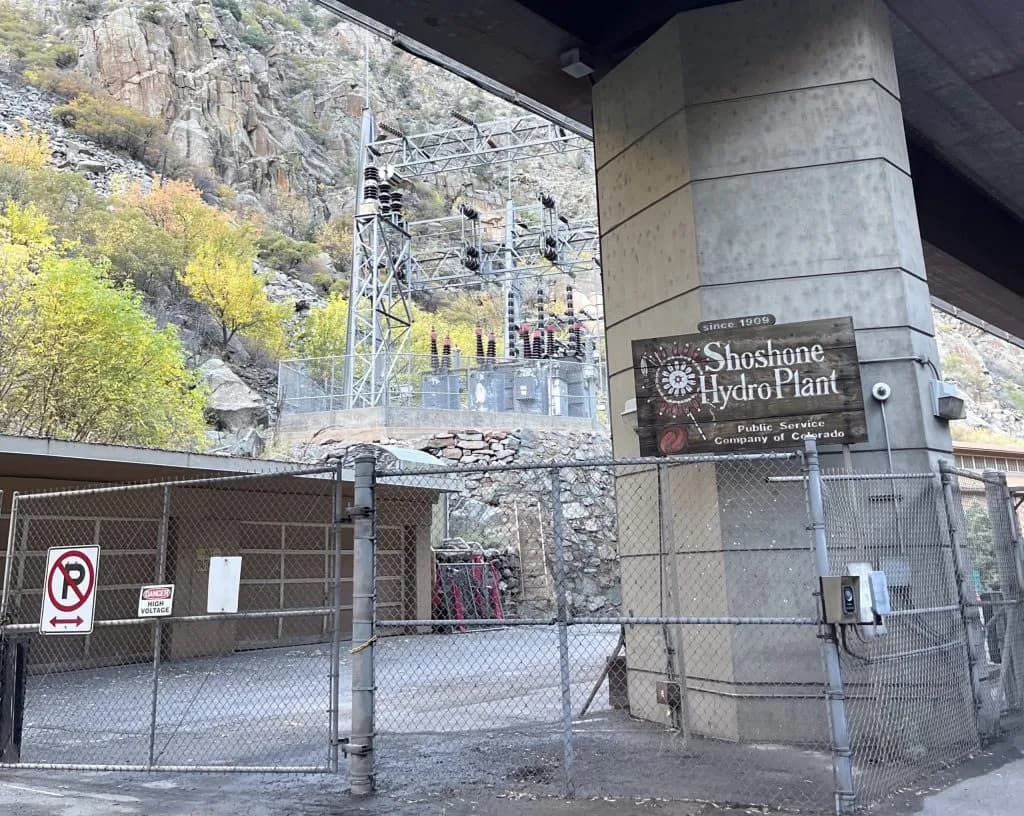
The Shoshone rights are not just any water rights; they are the oldest and largest non-consumptive rights on the Colorado River, tied directly to the hydropower plant nestled in Glenwood Canyon off Interstate 70. Because these rights are senior, the plant can demand its full water supply year-round, even during droughts, but crucially, it returns all the water it uses back to the river. This mechanism ensures that downstream users, from farmers and ranchers to recreation outfitters and Front Range cities; have more predictable water supplies and better water quality, while protecting critical habitat for endangered fish species.
Andy Mueller, the district’s general manager, called the funding release a “major breakthrough” in the effort to permanently secure historic flows on the river. He credited the persistence of local leaders, specifically highlighting Rep. Jeff Hurd, a Republican representing the vast majority of the Western Slope in Colorado’s 3rd congressional district. Hurd told the Post Independent in April that he had been working various angles to get the funding released, raising concerns directly with the president, the acting commissioner of the Bureau of Reclamation, and the secretaries at the Department of the Interior.
“This funding would not have been possible without the leadership of Representative Jeff Hurd,” Mueller said. “His unwavering advocacy within the administration helped secure this once-in-a-generation investment in a project that is vital to the prosperity of rural communities, farmers and ranchers on the Western Slope.”
Hurd echoed the sentiment, noting that the release was “a major step forward for Western Colorado and an important step toward protecting one of the most critical water resources in our region.” He emphasized that water issues in the West require “persistence, partnership and a willingness to bring people together around practical solutions,” crediting his work with the Department of the Interior and local stakeholders for moving the effort forward.
The project, known as the Shoshone permanency project, began in 2023 when the district finalized a purchase agreement with Xcel Energy. The goal was to prevent the aging facility from being shuttered or sold to another entity that might change how and where the water flowed, a fear that had worried water watchers in western Colorado for years. By acquiring the rights, the district aims to maintain the status quo, ensuring that the water remains in the river for environmental purposes regardless of the power plant’s operational status.
Mueller also expressed gratitude to Sen. Michael Bennet for helping appropriate the initial Inflation Reduction Act drought funding, as well as Sen. John Hickenlooper and Rep. Joe Neguse for fighting for the funds in Washington. The district’s board and the various Western Slope municipalities it serves have contributed significantly to the $97 million already raised, demonstrating a broad-based commitment to securing the river’s future.
The release of the $40 million marks a significant step forward, but the deal is not yet closed. The district still needs to raise the final $1.5 million and navigate the remaining bureaucratic hurdles to complete the purchase, a process that will take years. Yet, for the folks who rely on the Colorado River for their livelihoods and their water supply, this funding release is a tangible victory, a moment where federal policy finally aligned with local need.
Outside the Glenwood Canyon power plant, the water continues to rush over the turbines, a steady, rhythmic sound that has defined the region’s water history for over a century.
Keep up with Glenwood Springs
The day's Western Slope news, one email each morning. Free.