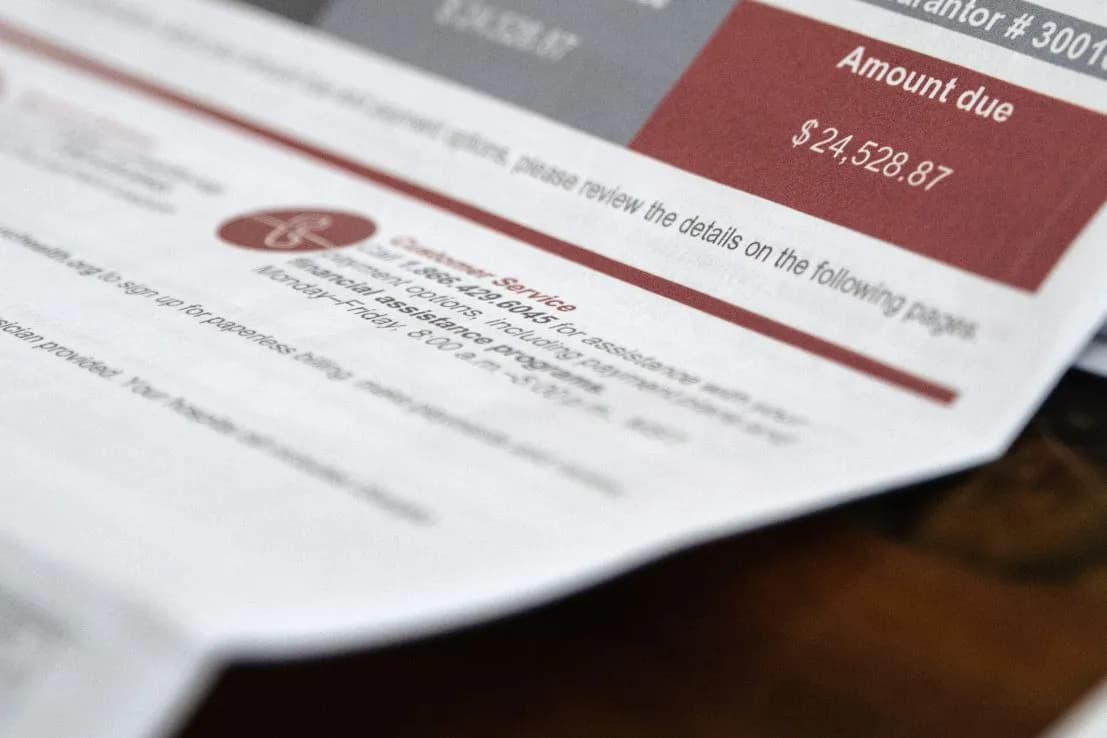
El Paso County Leads Front Range in Surging Pre-Foreclosures
El Paso County leads the Front Range in pre-foreclosures as delinquencies rise in housing, cars, and credit cards, signaling a broader affordability crisis.
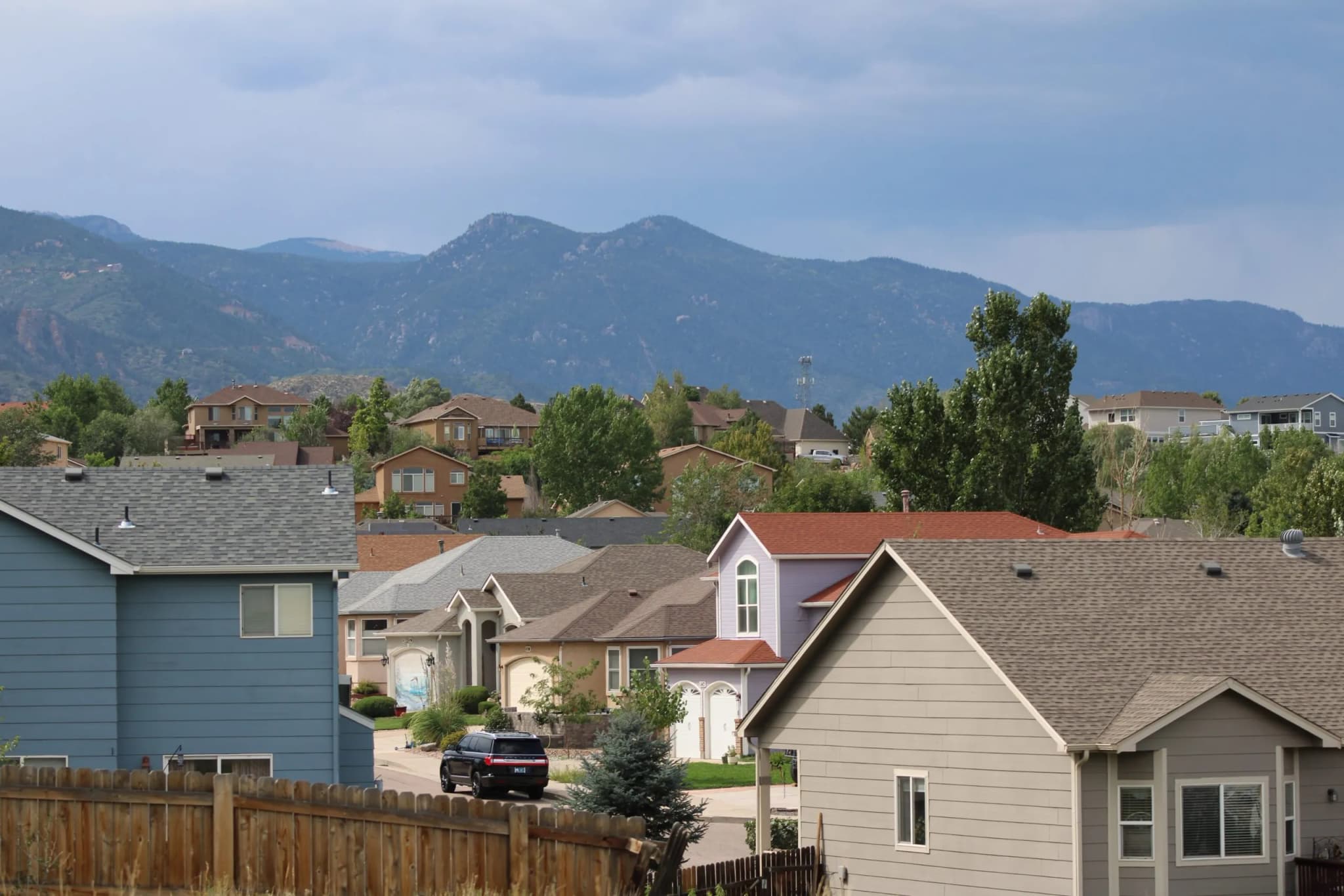
Colorado —“Delinquencies on the rise, and not just in housing. We’re seeing it in cars and credit cards and the rest.”
Patrick Muldoon didn’t mince words when he told The Colorado Sun that the housing market around Colorado Springs and Pueblo is shifting beneath our feet. The real estate agent, who specializes in bank-owned properties, says we are watching the start of something uglier.
He’s tracking NED filings — Notice of Election and Demand. That’s the bank’s first formal step in foreclosure. These filings are climbing across the Front Range. El Paso County leads the pack. It has the most pre-foreclosures of any Front Range county this year. ATTOM, the market researcher that tracks this data, confirms the trend.
The numbers tell a specific story. El Paso’s pre-foreclosure filing rate jumped 4 percent. That sounds small until you remember the baseline was already high. There are 307 filings so far this quarter. Adams County saw a different beast entirely. Their numbers leaped 60 percent in a single year. That’s 283 properties.
Pueblo County is an outlier. Pre-foreclosures dropped 51 percent. But actual foreclosures — the ones where the bank takes the keys, surged 91 percent to 37. Vacant investor-owned properties are piling up in Denver. The city has the most vacant properties held by investors in the state.
Muldoon sees the cracks in his daily work. He’s getting calls from other brokers. Clients are three, four payments behind. They weren’t having those conversations 18 months ago. They are having them now.
“Most of my clientele has been educated over the last four or five years,” Muldoon said. “But we are seeing a lot of delinquents starting to come into the market.”
The broader context matters. Colorado’s residential market sits in the middle of the national pack regarding rising pre-foreclosures. Statewide, there were 1,945 pre-foreclosures in the second quarter. That’s up 12 percent from a year ago. But the national picture is worse. Foreclosures in the U.S. are up 18 percent from last year. We are seeing more "zombie foreclosures"; vacant homes with no occupants left by struggling homeowners.
Rob Barber, ATTOM’s CEO, notes that activity is still well below pre-pandemic levels. But the trajectory is clear. Lenders are working through distressed properties. Affordability is the driver.
Muldoon warns that this is just the beginning. He’s telling us to expect more.
The short version: buyers are underwater. They knew it was coming. Now the delinquencies are showing up in cars and credit cards, too. The housing crisis isn't isolated. It’s bleeding into every other part of the household budget.
Don’t let the "fraction of levels" during the Great Recession fool you. The composition of the crisis has changed. It’s not just about job losses anymore. It’s about the cost of doing life. Muldoon is seeing subdivisions fill with short sales. He’s seeing brokers field desperate calls.
The data is hard. ATTOM tracks county tax assessor data. It doesn’t lie. But it doesn’t always explain the human cost. A 4 percent jump in El Paso sounds manageable. A 60 percent jump in Adams is a warning siren.
Muldoon is watching. He’s listening. And he’s telling us to pay attention. The NED filings are rising. The delinquencies are rising. The rest of the country is rising faster, but we’re not immune.
The question isn't if more trouble is coming. It’s how many neighbors will be holding the bag when it hits.
Keep up with Colorado
The day's Western Slope news, one email each morning. Free.

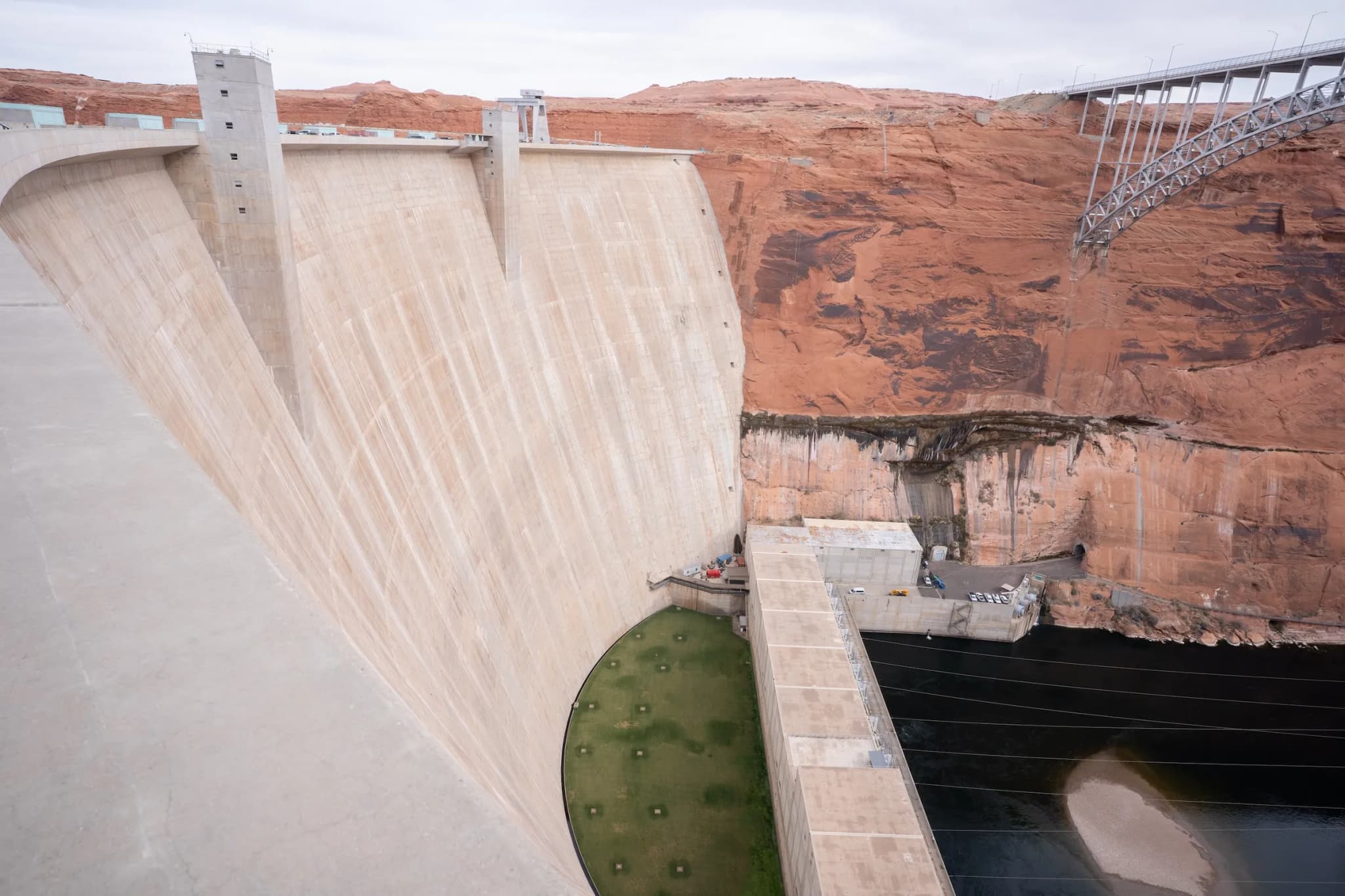
Federal Report Sets 200,000 Acre-Foot Water Conservation Target for Upper Basin

Colorado Parks and Wildlife Deploys Precision Drones for Weed Control