Arkansas River Rafting Outfitters Brace for Low Water Crisis
Record low snowpack and 24% normal flow threaten Colorado's rafting industry, forcing outfitters like Wilderness Aware Rafting to adapt to thinner, slower, and more expensive trips.
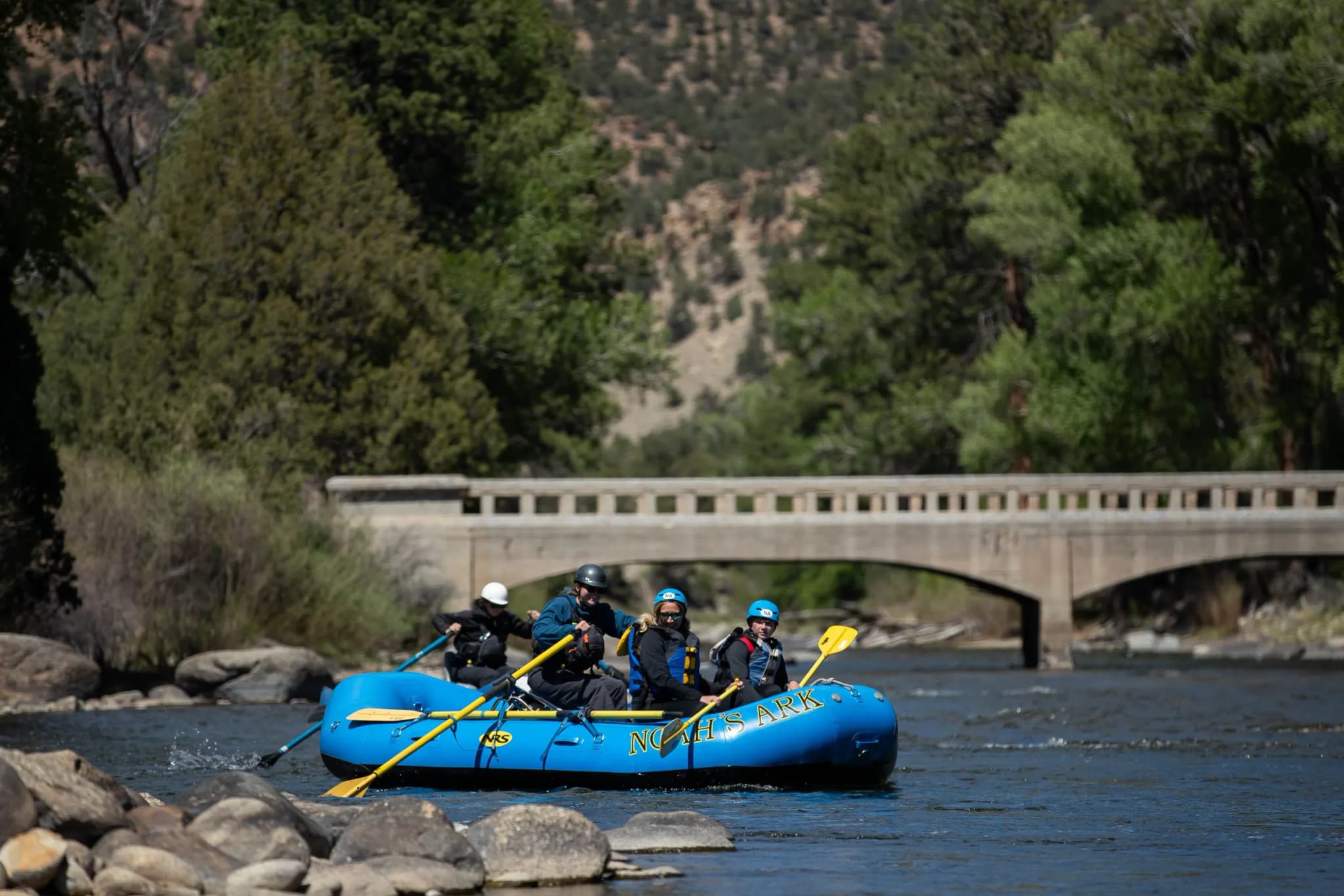
Colorado —“We are going to adapt,” says Brian Ellis.
It’s a simple sentence. It carries the weight of a dying industry trying to stay alive. Ellis owns Wilderness Aware Rafting in Buena Vista. He was a guide back in 2002, when the Arkansas River was little more than a trickle. Wildfires burned the state. The water rarely climbed above 300 cubic-feet-per-second.
Outfitters survived. They just suffered.
Now, it’s 2026. The snowpack is at record lows. The winter was the saddest on record. Warmest March on record evaporated what little remained. By late May, the Arkansas River basin sat at just 24% of normal flow. That is the exact moment rafting season usually kicks off.
The Upper Arkansas River Valley is the workhorse. It hosts about 45 outfitters between Leadville and Cañon City. They handle 250,000 commercial rafting visitors a year. Almost 75% come from out of state. Those visitors inject $50 million to $75 million into local communities annually.
That money is about to take a hit.
The 2002 drought dropped state-wide rafting visitation by 68%. In 2012, it fell 21%. We are staring at a horizon that looks suspiciously like those years. The data doesn't lie. The river is low. The business will be lean.
Ellis isn’t panicking. He’s planning.
The trips will happen. But they won’t look like the Instagram-perfect rafting of a decade ago. Fewer people on smaller boats. Guests might captain their own stand-up paddleboards or inflatable kayaks — known locally as "duckies." Trips will take longer. The water moves slower, so you spend more time in it.
Raft crews will play a bigger role. Guides will navigate technical lines that used to be easy. Paddlers will have to work harder.
Traffic will shift downstream. Sections with more volume, like Royal Gorge, will see more boats. The upper stretches? They’ll be quiet. Or dry.
Read that again.
The Arkansas Headwaters Recreation Area is the heart of Colorado’s rafting industry. It floats rural economies. It keeps hotels full. It puts food on tables for thousands. If the water doesn’t hold, the money stops flowing.
Locals know this. They’ve seen it before. But this time feels different. The snowpack was already weak before March’s heatwave hammered it. Now we’re down to 24%. That’s not a fluctuation. That’s a crisis.
Ellis says they learned lessons in 2002. They applied them in 2012. They’ll apply them again. But adaptation has limits. You can’t adapt to a river that doesn’t exist.
The short version: The rafting season will happen. It will just be harder. Thinner. More expensive for the consumer who wants comfort, cheaper for the one willing to paddle a ducky through mud.
Make no mistake. This is about more than just fun on the water. It’s about whether the businesses that define these towns can survive a summer of low water and high expectations.
The calls from vacationers are coming. But are they booking? Or are they waiting to see if the river actually has water?
Ellis is betting on adaptation. The river is betting on survival.
We’ll see who wins.
Keep up with Colorado
The day's Western Slope news, one email each morning. Free.


Federal Report Sets 200,000 Acre-Foot Water Conservation Target for Upper Basin
Colorado Parks and Wildlife Deploys Precision Drones for Weed Control