How Casa de Paz Helps Released Immigrants Reconnect After ICE Detention
J.R.V. spent 127 days in ICE detention losing his identity and belongings. This article details how the nonprofit Casa de Paz in Aurora provides critical support, from phone calls to document retrieval, helping immigrants like him retether to their families and lives.
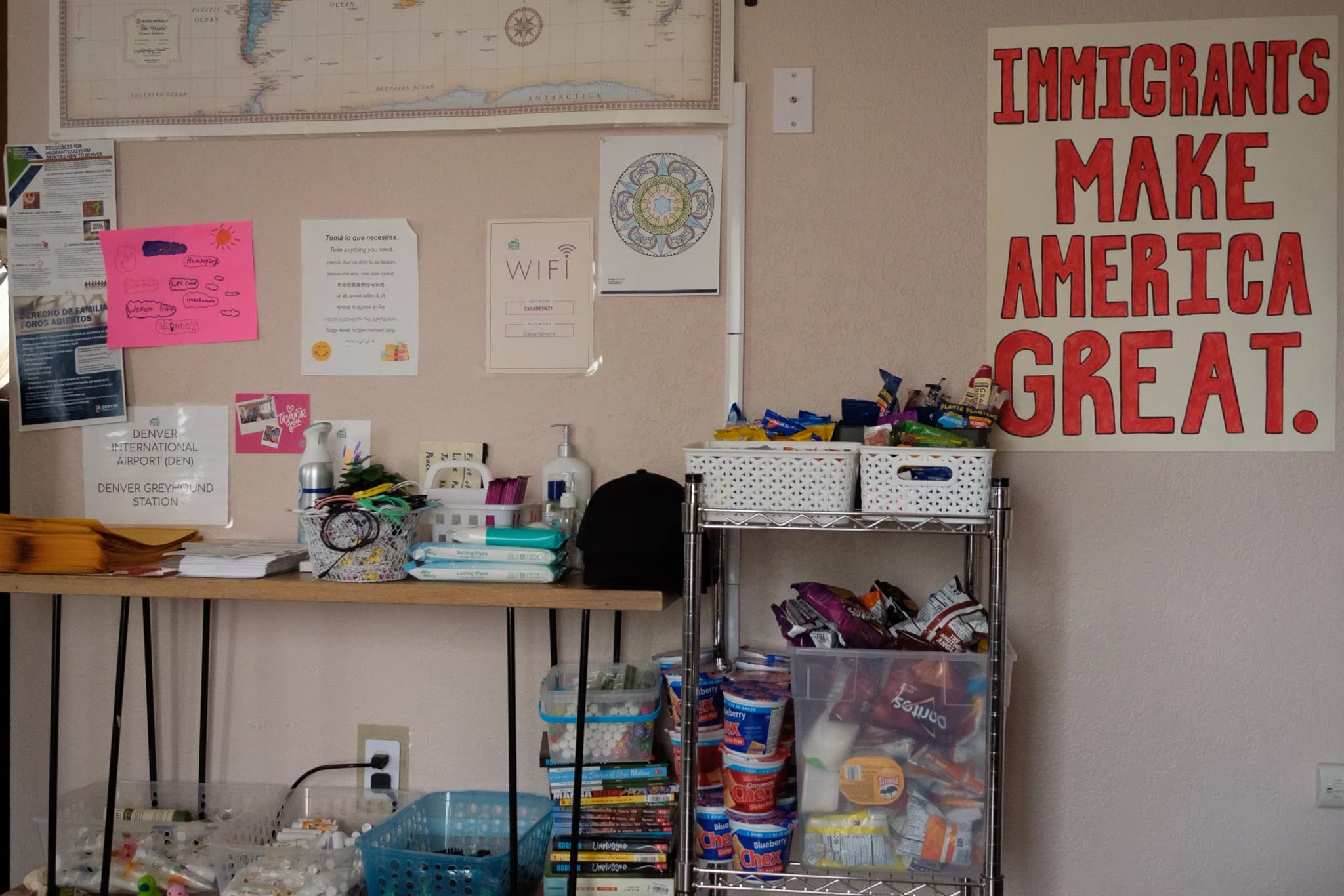
Colorado —J.R.V. sits on a couch in a modest one-story house near the Aurora immigration detention center, staring at a pair of tan work boots in a plastic bag. The name is scrawled in black Sharpie on the side. They are the only things he has left of his life before the arrest, a stark reminder of a Tuesday morning in December when a sheriff’s deputy pulled him over while he was driving to a construction site in Florida.
Here’s the thing though: most folks think of detention as a waiting room. A place to sit, wait for a judge, and go home. For J.R.V., it was a logistical nightmare that stripped him of his identity. He didn’t just lose his freedom; he lost his driver’s license, his passport, and his work permit. And when he finally walked out of the GEO Group facility on April 29, he didn’t even have his boots in his hand — they were in a bag, sitting on the floor.
He spent 127 days bouncing across the country, a journey that started with three days in a county jail and ended with a four-day odyssey by air. He flew to the Everglades, then to Texas and Arizona, with a stop in Louisiana. He was chained at his hands, feet, and waist, with little access to a bathroom. He slept in freezing conditions in the Florida Everglades, a place detainees called "Alligator Alcatraz" for good reason.
Without Casa de Paz, a nonprofit organization that serves as a home base for released immigrants, J.R.V. wouldn’t know where to start. He walked out of the busy intersection of Peoria Street and East 30th Avenue, right in front of a vehicle emissions testing site. All the guards gave him was the stuff he had on him five months prior. No documents. No cash. Just the boots.
He needed to call his wife in South Florida. He had to tell her he was out. He waited until his children, both U.S. citizens aged 12 and 9, got home from school so he could hear their voices. Casa de Paz provided the backpack for the bus ride back to Florida, the charge for his phone, and the escort to return to the facility to hunt down his missing documents.
This isn’t just about housing. It’s about the administrative black hole that swallows people whole. J.R.V. is one of hundreds of people released from ICE detention each year that Casa de Paz helps with basic necessities. The organization doesn’t just hand out blankets; they retether people to the lives they were ripped from. They help people like J.R.V. find their way back to their families, even if it means going back to the detention center to ask for papers that were confiscated and not returned. It’s a small act, but it’s the difference between being lost and being home.
The rain falls on the house near the detention center. J.R.V. charges his phone. He waits for the call. The boots sit on the floor, waiting for feet that are ready to walk again.
Keep up with Colorado
The day's Western Slope news, one email each morning. Free.

NWRM CASA Honors Judge O’Hara and Founders at 15th Anniversary

Craig Hosts Only Regional Special Olympics Bowling Competition
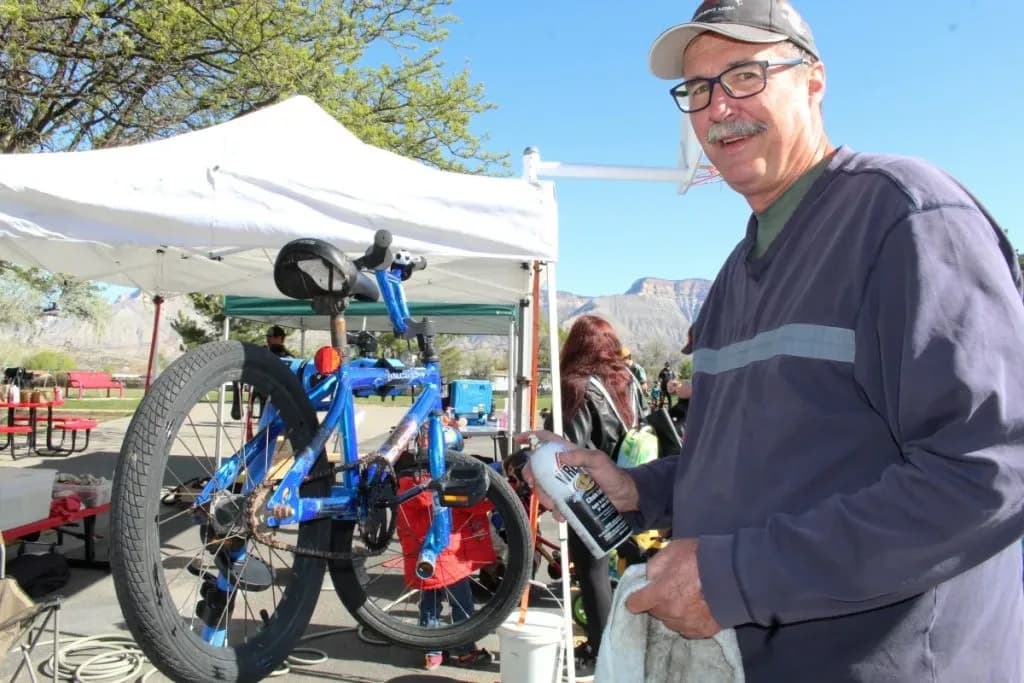
Parachute Bike Clinic Seeks Permanent Home After 66 Free Repairs

Federal Report Sets 200,000 Acre-Foot Water Conservation Target for Upper Basin
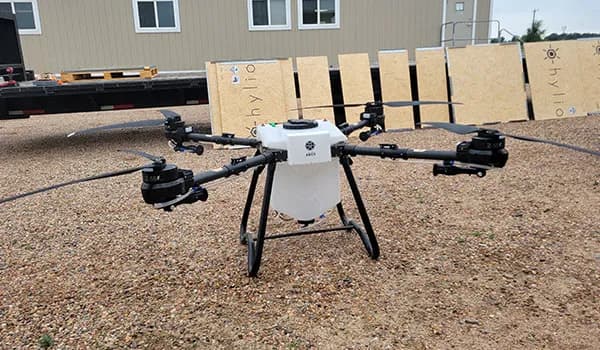
Colorado Parks and Wildlife Deploys Precision Drones for Weed Control