Carbondale Women Share Raw Stories in VOICES Theatre Anniversary
Six women in Carbondale share raw, personal stories in 'When We Dance Again,' marking the 10-year anniversary of the biennial Women’s VOICES Theatre Project.
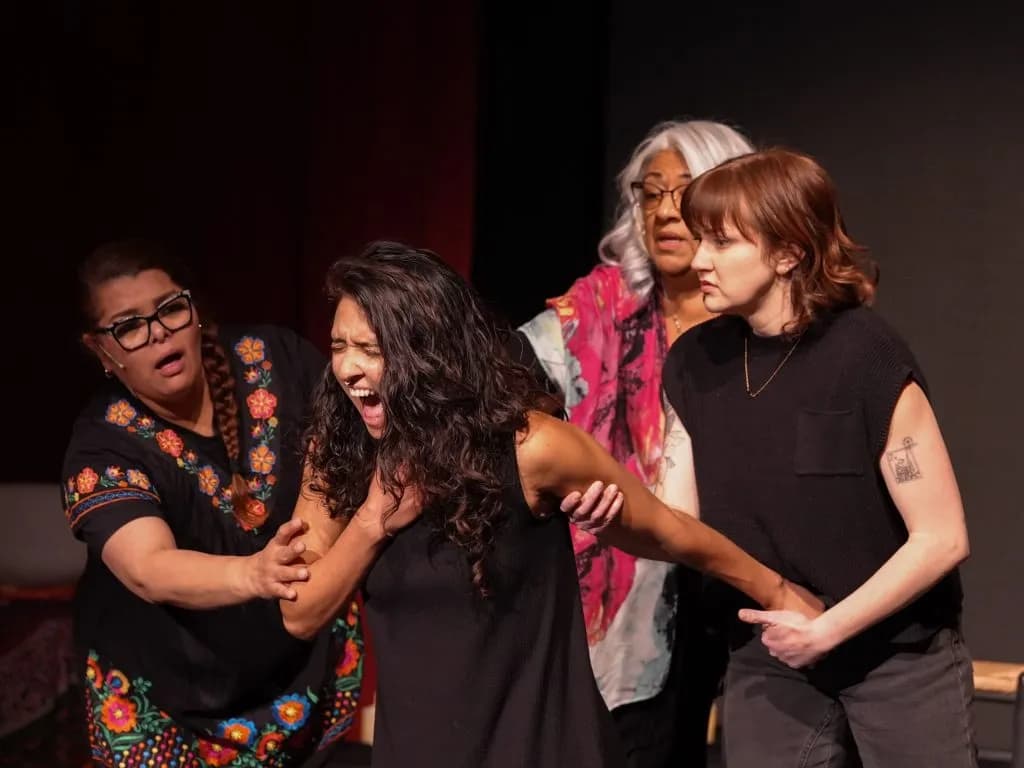
Aspen —The air in the rehearsal space smells of old wood and nervous sweat, a scent that hangs heavy in the quiet moments between lines. You can feel the weight of it — not just the physical dust motes dancing in the afternoon light filtering through the high windows of the Carbondale venue, but the emotional gravity of six women standing on the precipice of being seen. It is a specific kind of vulnerability, one that requires you to strip away the polite veneer we wear to get through a Tuesday commute or a grocery run at Safeway, leaving only the raw, unpolished truth of who we are when the lights go down.
This weekend, that truth takes center stage in “When We Dance Again,” the latest iteration of the Women’s VOICES Theatre Project. The biennial tradition has become as much a part of the local cultural rhythm as the changing of the seasons. For Nuni Zeeni, a longtime resident of the valley, the return is personal. She remembers attending a performance in 2024, struck not by the technical perfection of the staging, but by the sheer bravery of the women on stage. “I felt really honored that I got to witness these women sharing their stories,” Zeeni said. “I don’t even remember what they were, I just remember feeling so touched and in awe of their bravery and their courage.”
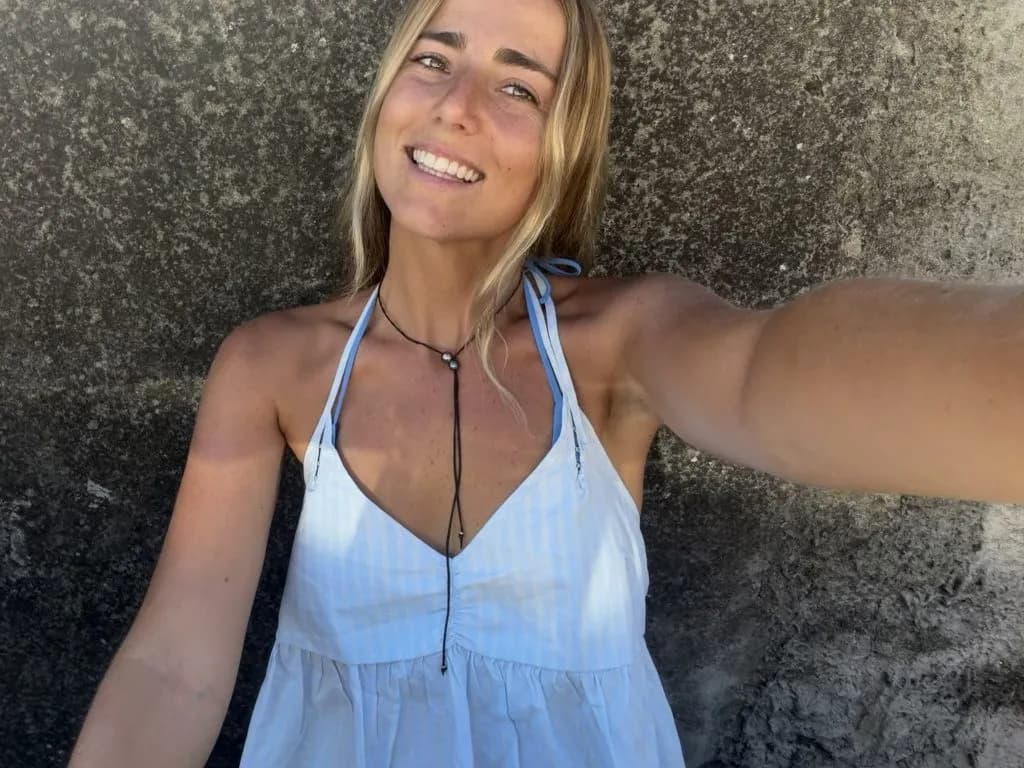
Now, she is one of those women. Alongside Indhira Barron, Nina Gabianelli, Monica Muniz, Ashley Stahl, and Brittany Crooke, Zeeni will perform in a production directed by Jennifer Hughes, executive director of SOL Theatre Company. This year is special for the organization itself; it marks the 10-year anniversary of VOICES, and “When We Dance Again” stands as its longest-running on-stage production. It is a milestone that feels earned, built on years of community trust and the slow, deliberate work of devised theater.
Devised theater is not about memorizing a script handed down from a playwright in New York. It is about weaving together the actual life stories of the participants, creating something original, raw, and deeply insightful. MinTze Wu, the executive and artistic director of VOICES, describes the result as a collection of stories that touch you, reminding you of your mother, yourself, your grandmother. “These are a beautiful collection of stories and it really touches upon why we’re all so interconnected,” Wu said. The title, “When We Dance Again,” speaks to this continuity — different generations of women meeting at different times in their lives, finding common ground in the rhythm of their shared experiences.
For Zeeni, the process has meant reopening old wounds. Her segment focuses on the journey of finding her voice, of breaking the pattern of staying small and quiet. It is not a smooth transition. “Just because I recognize it doesn’t mean that I feel comfortable doing it,” she admitted. “It’s very edgy for me. It’s very hard.” Yet, there is a warmth to that discomfort, a sense that the pain is necessary for the growth. She is choosing a different path, one that allows her to be bigger, louder, and brighter, even if it feels strange at first.
The production is more than just a show; it stands as proof of the resilience of the women of the Roaring Fork Valley. It is about the stories we keep hidden in the back of our minds, the ones we tell only to our closest friends over wine, now brought into the light. As the curtain rises, you won’t just be watching a play. You will be witnessing the act of listening, of truly receiving the experiences of your neighbors. And when the final note fades, you will be left with the lingering image of six women, standing together, having finally allowed themselves to be seen.
Keep up with Aspen
The day's Western Slope news, one email each morning. Free.

NWRM CASA Honors Judge O’Hara and Founders at 15th Anniversary
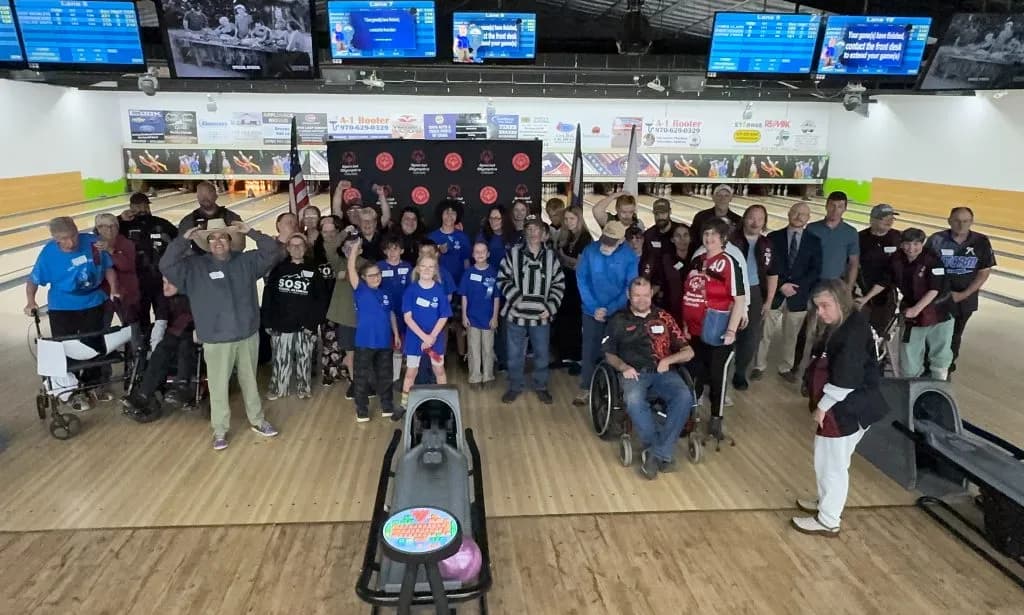
Craig Hosts Only Regional Special Olympics Bowling Competition