Valley Transition Coach Ceci Zak Launches '3rd Third' Framework
Valley-based transition life coach Ceci Zak introduces the '3rd Third' framework to help locals navigate the psychological and physical challenges of mid-life shifts and retirement.
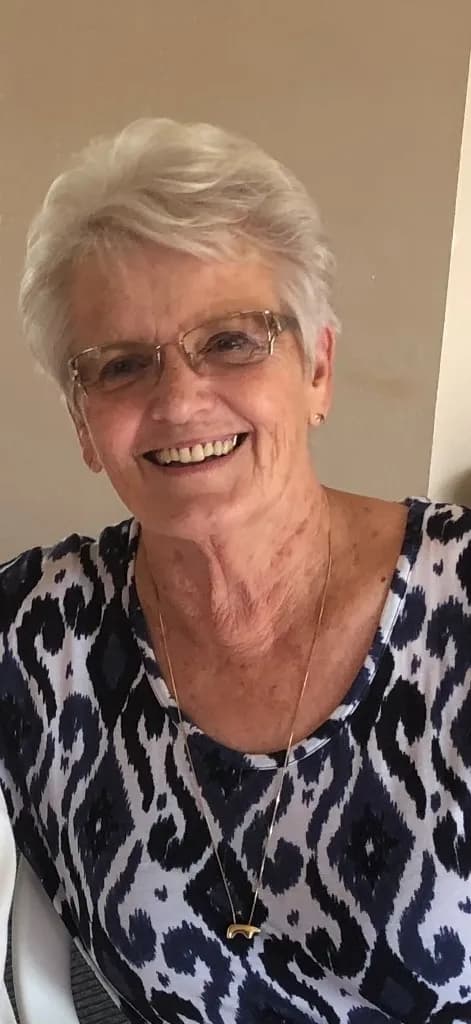
Aspen —Ceci Zak calls it a "life quake." It’s not a geological event, but it hits with the same sudden, destabilizing force. One moment you’re anchored by decades of corporate stability, tenure, and routine; the next, you’re navigating divorce, job loss, and a heart disease diagnosis all at once. That’s the reality she faced, and it’s the specific chaos she’s now helping locals navigate through a concept she’s dubbed the "3rd Third."
Zak is a transition life coach based in the valley, and she’s launching a framework to help people stop dreading retirement and start designing it. It’s not just about financial planning or picking up a new hobby. It’s about surviving the "messy middle" — that sticky, confusing period between the end of your career and the quiet of old age where most people get stuck.
“I’m an architect of life’s transitions and I want to help others to find their passions and live their best lives in the 3rd Third,” Zak said.
Her own path wasn’t linear. She spent her second phase climbing the corporate ladder, working big jobs across multiple industries, teaching as an adjunct professor at Columbia Business School, and leading nonprofits. She was a TEDx speaker, an award-winner, the kind of person who had it all figured out on paper. Then came the shake-ups. The stability evaporated. She got divorced, changed jobs repeatedly, moved, and was diagnosed with heart disease.
The cumulative effect shook her foundation. But once she recognized she was in a transition rather than a failure, she shifted gears. She spent years researching and training, becoming a certified transition life coach, and now she’s bringing that toolkit to the Western Slope.
Her method relies on what she calls the "5 P’s": Personal life, Psychological health, Physical well-being, Purpose, and Place. It’s a research-based framework designed to help people move out of denial and out of the "messy middle" where limiting beliefs hold them back.
“There are three stages to a transition. It’s what we call a new ending because who you were before that life quake was what it was,” Zak explained. “Once you realize and move out of a place of denial about that life quake happening, you get into what I call the messy middle. And that messy middle is where people really get stuck. The stories they tell themselves, the beliefs they’ve had growing up really hold them in this messy middle.”
Zak’s goal is to help people create a vision for what they actually want, rather than just drifting into retirement because that’s what everyone else did. It’s about filling the void left by a career with intention. Maybe your kids are going off to college. Maybe your spouse has passed. Maybe you’re just looking for a reason to get out of bed that isn’t a 7:00 AM meeting.
“You can feel it,” Zak said. “My goal is to help people recognize the transition that they’re in and understand how to create that vision of what they really want out of life so that they can transition through those challenges and live that free, fulfilled, joyous life.”
It’s a practical approach for a population that’s aging in place. We talk about retirement as if it’s a destination you arrive at, a place where the work stops and the fun begins. But for many, it’s a disorienting shift in identity. Zak’s work suggests that if you don’t prepare for the psychological and physical realities of this phase, you’ll spend your later years in that "messy middle," stuck in the stories you told yourself when you were thirty.
She’s open about her own scars, using her corporate background and her health battles as proof that the system doesn’t prepare us for this. It’s a service for those who have the means to invest in their own clarity, looking for a way to make the third act of their lives as robust as the second.
Outside her office, the light hits the mountains differently in the late afternoon, casting long shadows that stretch across the valley floor. It’s a quiet reminder that time moves forward, whether we’re ready for the transition or not.
Keep up with Aspen
The day's Western Slope news, one email each morning. Free.