Palisade Veterans Turn Beekeeping Hobby Into Profitable Business
Retired military couple Robert and Laura Stanley leverage Goodwill’s FarmAble program to transform their Palisade apiary into a sustainable business, proving that federal support can help veterans achieve economic stability through agriculture.
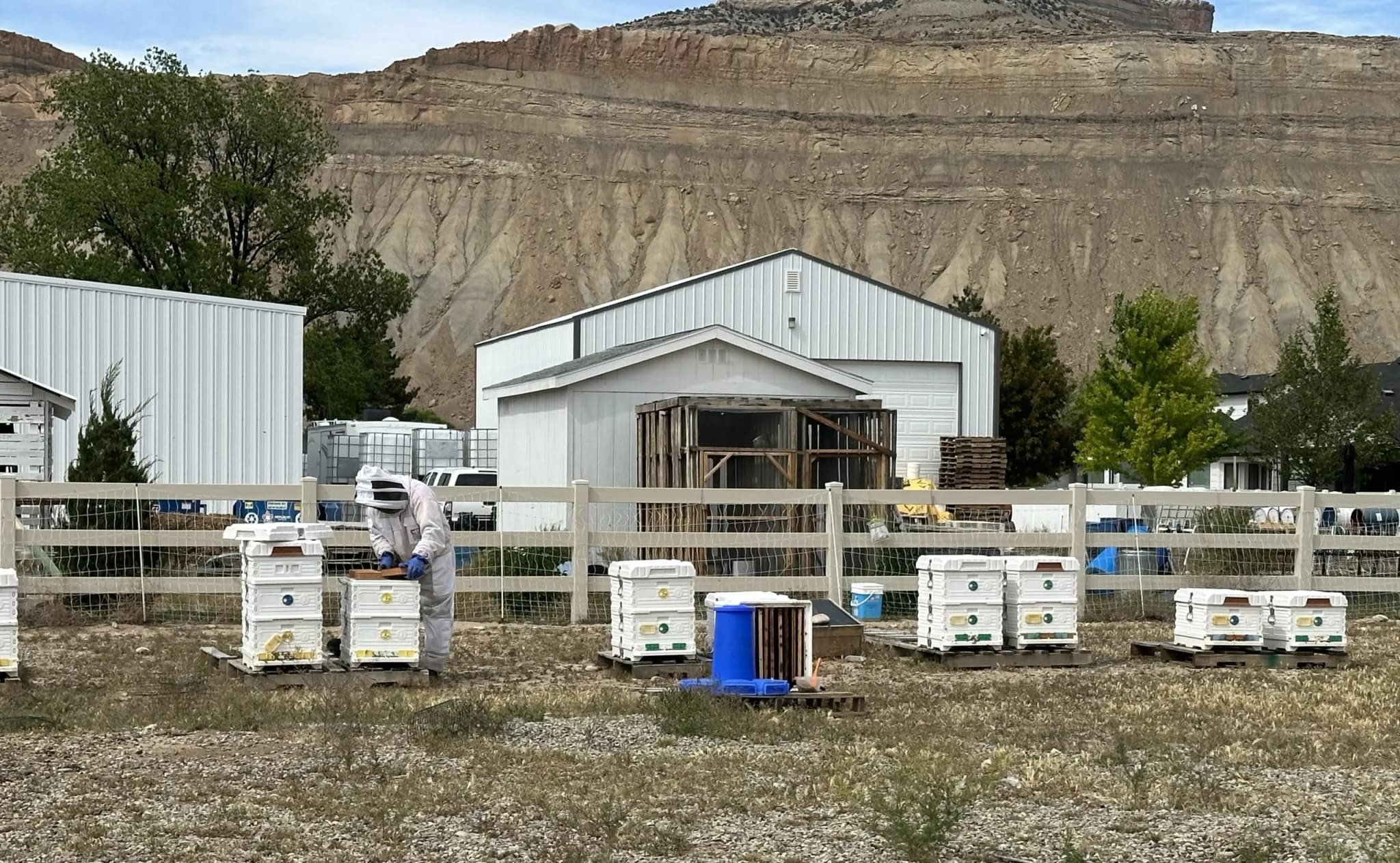
Palisade —When did a beekeeping hobby turn into a $32-hive operation that actually pays the bills? That’s the question Robert and Laura Stanley are answering on their three-acre corner lot in Palisade.
They aren’t just harvesting honey. They’re harvesting stability.
The Stanleys bought that land with irrigation water rights from the Colorado River, aiming for a small-town life for their kids. Robert works for the Western Area Power Administration in Montrose. Laura is a county commissioner-appointed veteran service officer. They have the jobs. They have the land. But they lacked the business plan to make the agriculture part profitable.
Enter Goodwill of Colorado’s FarmAble program.
Since 2023, backed by U.S. Department of Agriculture funding, FarmAble has been helping veterans and underserved farmers navigate the bureaucratic maze of USDA grants and loans. It’s not just about knowing how to keep bees alive. It’s about knowing how to sell them.
Robert Stanley spent time as a tank mechanic in Iraq. Laura served in intelligence. She was injured in a vehicle rollover; he was hit by a tank. Both did multiple tours. Robert retired in 2010. Laura retired in 2022.
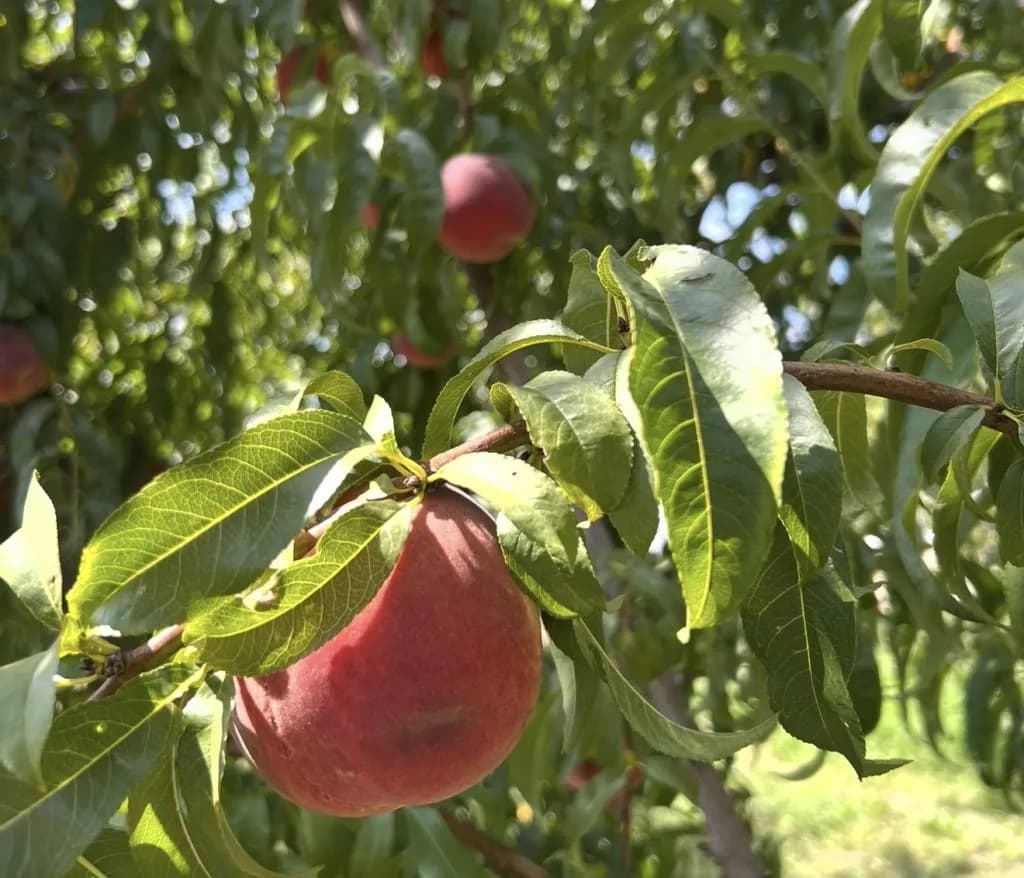
Laura joined the Western Colorado Beekeepers Association, which has a specific branch for veterans and first responders. She went to meetings. She was “totally overwhelmed,” she said. The jargon was dense. The networking was thin. But she stuck with it. They built an apiary with 32 hives. They planted an orchard with peaches, cherries, apricots, pluots, and plums.
They started selling products. But the commercial strategy was severely lacking. They were working hard, but they weren’t scaling. They dreamed of funding a farm where they could grow their own food and teach local kids about farming. They needed capital. They needed structure.
Goodwill provided the structure. The program assists with hands-on business planning and economic stability. It translates federal money into local viability.
Let’s look at the context. Palisade is an agricultural hub. The land is valuable. The water rights are the real asset. But without a clear path to market, that land is just dirt and debt. The Stanleys had the dirt. They had the debt. They needed the market.
Robert’s day job keeps the lights on. Laura’s role as a veteran service officer keeps the community connected. But the farm? The farm is the future. It’s the legacy. It’s the trauma processing tool that experts have known about since World War I, when soldiers were encouraged to raise bees as a peaceful, economically viable livelihood.
The Stanleys are now part of a tradition. They are also part of a data point. A program that helps veterans transition from combat to commerce is not just a nice-to-have. It’s a necessity for rural economic resilience.
Laura leans on the top rail of the fence by bales of straw. She looks out at the orchard. The 32 hives are humming. The operational framework is no longer severely lacking. It’s working.
This isn’t just about honey. It’s about whether a veteran can afford to stay in the valley. It’s about whether local kids can learn to farm without their parents going broke. It’s about whether federal dollars actually reach the people who need them.
The Stanleys are proving it can work. The question is whether Goodwill can scale this for the next generation of Western Slope veterans. If they can’t, the program remains a boutique solution for the few. If they can, it becomes a model for rural development.
Right now, the Stanleys are harvesting. They’re selling. They’re teaching. They’re staying.
That’s the bottom line.
Keep up with Palisade
The day's Western Slope news, one email each morning. Free.