How Tree Time Slows the Pace for Western Slope Wellness
Explore how the concept of 'Tree Time' helps Western Slope residents combat modern anxiety by slowing down, reconnecting with nature, and achieving physiological reset.
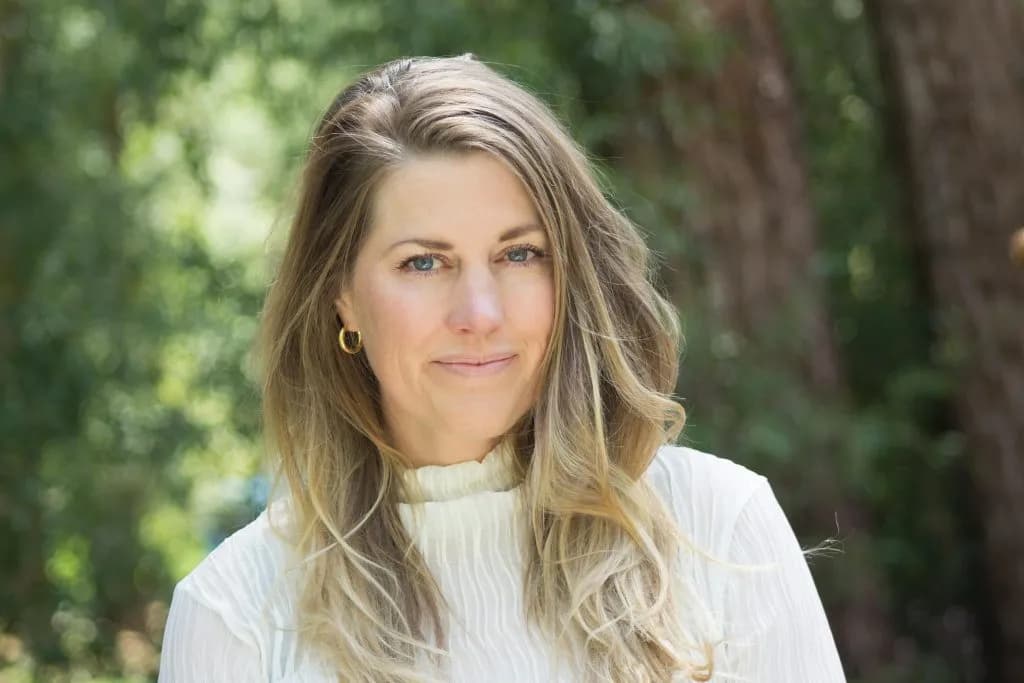
Aspen —The wind hits your face first. It’s not the gusty, impatient shove of a winter storm rattling windowpanes in Delta; it’s a steady, cool caress that demands nothing. You stand still. You stop checking your phone. You stop worrying about the traffic on Highway 6. And for the first time in months, you notice the willows.
This is what Branham calls "Tree Time."
It’s an ecological philosophy, a way of being that asks us to abandon the frantic pace of the modern world and move at the speed of a slow-growing forest. It’s not just a poetic metaphor. It’s a physiological reset. And it’s becoming increasingly relevant for folks on the Western Slope who are tired of the buzz.
I was recently in conversation with Florence Williams, author of The Nature Fix, who summed up the core of this movement in one sentence: it is a story about finding safety with nature. When we find safety, we heal.
Think about that. Safety. Not just from predators or potholes, but from the constant, low-grade anxiety of being "on." We live in an overculture, a term coined by author Clarissa Pinkola Estes, where separation from our bodies and from nature is the norm. We rush. We consume. We disconnect.
But what if we slowed down? Way down.
Branham’s research at the University of Cambridge explored the mechanisms behind this. The key predictor for the mental and physical benefits we get from nature isn’t just being outside — it’s slowing down. It’s entering "Tree Time."
Picture this: you’re standing by the Roaring Fork River. You put down the devices. You silence the podcasts. You let the noise fade. Suddenly, the world amplifies. You see the transparency of the willow petals. You feel the texture of the bark. You hear the water, not as background noise, but as a presence.
This isn’t new age fluff. It’s biology.
In meditation practice, this is called wakeful or present awareness. Study after study points to the power of present awareness to increase joy, gratitude, and wellbeing. It’s as if we already have everything we need inside us and around us to thrive. But it’s so easy to forget that fact. We’re busy. We’re stressed. We’re disconnected.
Branham knows this from personal experience. About six years ago, she was suddenly beset by chronic illness. Pain has a way of slowing the body down. But it was in that surrender to a rhythm that more closely resembled a slow-growing forest rather than a buzzing metropolis, that her body began to attune.
She fell in love with this way of being. Even with all the symptoms, she was more joyful, more content, more alive.
And it’s not just her. Last week, she led a week-long immersion at Esalen Institute called "Erotic Ecology: Awakening the Senses and Healing through Nature." The feedback was consistent. Participants reported feeling resource, support, safety, belonging, and joy. They were drenched in Tree Time.
Why does this matter to us, here, on the Slope?
Because we’re facing a loneliness epidemic. Former U.S. Surgeon General Dr. Vivek Murthy has declared it. We’re yearning for connection. Not just with each other, but with the land that sustains us. We’re yearning for a sense of safety that doesn’t come from a locked door or a 401(k), but from the earth itself.
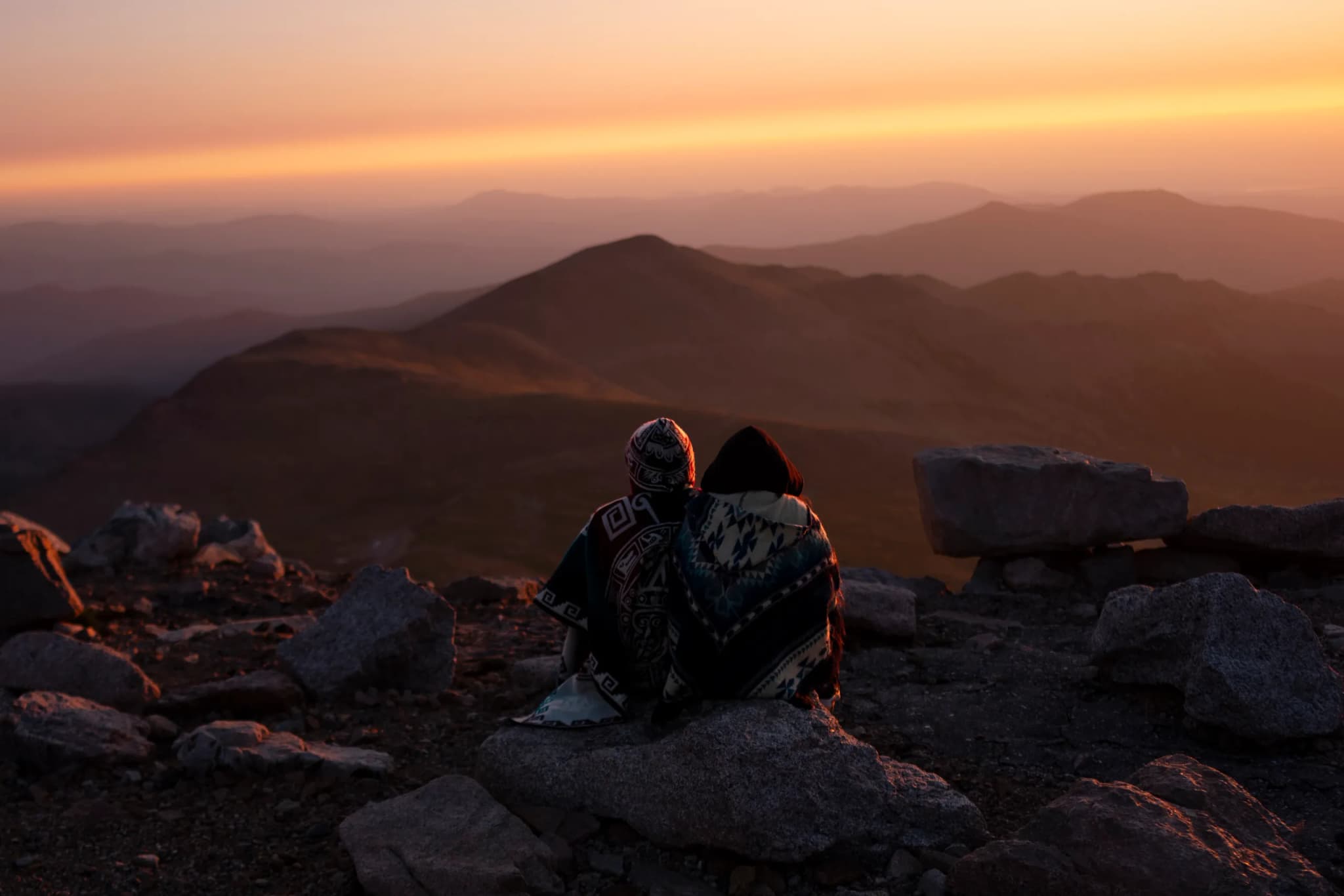
When you move slowly, you notice the new blooms. You feel the caress of the wind. You feel the touch of the Earth. You feel held.
It’s a radical act, really. To slow down in a world that profits from your haste. To stand still in a valley that’s always moving. To let the earth be your guide.
The Chinese philosopher Lao Tzu said it best: "The Earth doesn’t rush and yet everything is accomplished."
So, here’s the thing though. We don’t need a PhD to understand this. We don’t need to go to Esalen. We just need to step outside. We need to put down the phone. We need to slow down.
The willows are blooming. The wind is waiting. And the trees? They’re not going anywhere. They’ve got all the time in the world.
Keep up with Aspen
The day's Western Slope news, one email each morning. Free.