Colorado Drought Closes Spinney Mountain and Rations Cherry Creek Boating
Record-low snowpack and early water rights usage force closures at Spinney Mountain and Jackson Lake while Cherry Creek faces severe boating restrictions, leaving Lake Dillon and other reservoirs struggling for summer recreation.
Colorado —Colorado’s lakes and reservoirs are running on fumes. Most won’t have enough water for typical boating this summer. The drought isn’t a forecast. It’s a fact.
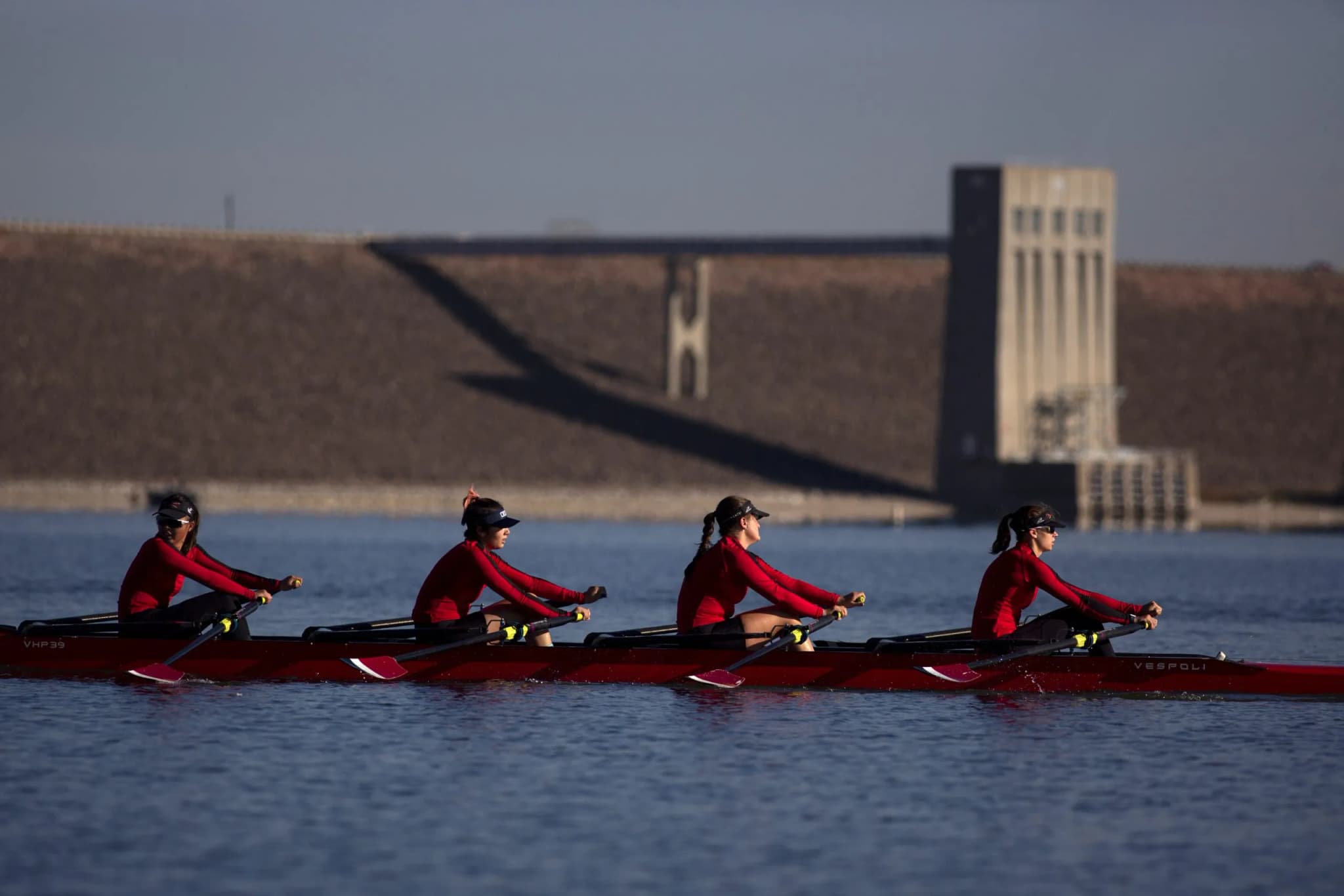
Peggy Bailey knows the stakes. She’s a water resources engineer. She sits on the Colorado Basin Roundtable. She also rowed for the U.S. in the 1976 Olympics. For Bailey, Lake Dillon isn’t just a spot to catch rays. It’s a lifestyle. Now, that lifestyle is in danger of drying up.
The winter was a joke. The spring was hot. The result is the driest season on record, according to state snowpacks. Rivers that usually swell into plump reservoirs are trickling. That means less water for agriculture. Less for municipalities. And definitely less for your weekend kayak trip.
Water rights dictate who gets what. And right now, rights holders are pulling early. They’re pulling hard.
Barr Lake started the season at full capacity. It’s holding on. Expect closures there no earlier than July.
Cherry Creek is a different story. Water rights prevent the state from refilling it. CPW bought extra water this spring to extend the season. But don’t get your hopes up. Restrictions are likely. Ramp closures are probable. It all depends on rain. And we aren’t betting on much rain.
Jackson Lake might see water drawn out as soon as June.
Spinney Mountain? The boat ramp probably won’t open at all. Historically low snowpack in the South Platte and Arkansas rivers left it dry.
Some parks will survive. Chatfield, Eleven Mile, North Sterling, and St. Vrain are expected to have a full boating season. If you can get to them, you can boat. But for the rest of us? It’s a gamble.
Boyd Lake in Loveland faces severe limitations. Spinney Mountain faces closure. The closures will hit the websites for the various state parks. Check them. Or don’t. You’ll still be stuck on land.
Lakes aren’t just for recreation. That’s the hard truth. Boating is a beneficial byproduct. The real water goes to irrigation and drinking. This year, there isn’t much to go around.
Bailey returned to the sport with the Frisco Rowing Center. She competes with an elite team of Masters rowers. She glides across Lake Dillon’s waters. She grunts. She competes. Now, that constant is vanishing.
The short version: The water is gone. The rights are exercised. The ramps are closing.
Read that again.
This isn’t a "could happen" scenario. It is happening. Spinney Mountain is already out. Jackson Lake is bleeding out. Cherry Creek is rationing.
Locals who rely on these waters for more than just leisure are feeling the pinch. Agriculture gets priority. Municipalities get priority. Your leisure time? That’s what’s left over.
The state parks are managing the decline. They’re announcing closures online. They’re buying extra water where they can. But they can’t conjure rain. They can’t override water rights.
Bailey is watching her identity dry up. So are you.
The question isn’t whether the water will run out. It’s how much longer you can keep your boat in the water before it’s just a pile of fiberglass on mud.
Check the websites. Then pack your bags. Or just stay home.
Keep up with Colorado
The day's Western Slope news, one email each morning. Free.


Federal Report Sets 200,000 Acre-Foot Water Conservation Target for Upper Basin
Colorado Parks and Wildlife Deploys Precision Drones for Weed Control